
Where Humanity Begins · Episode 1 of 5 · 7:02
3.6 Million-Year-Old Footprints — and the Country That Keeps Them
Some of the oldest evidence of our family's story lies in one country on the eastern edge of Africa: the 3.6-million-year-old Laetoli footprints and Olduvai Gorge's two million years of fossils. This is Tanzania — the roof of Africa, the greatest animal migration on Earth, the spice islands of Zanzibar, the shortest war ever recorded, and a hundred and twenty peoples joined as one nation. The first story in the Dunia Docs series.
 Watch on YouTube
The episode, frame by frame
44 frames, one painted frame per line.




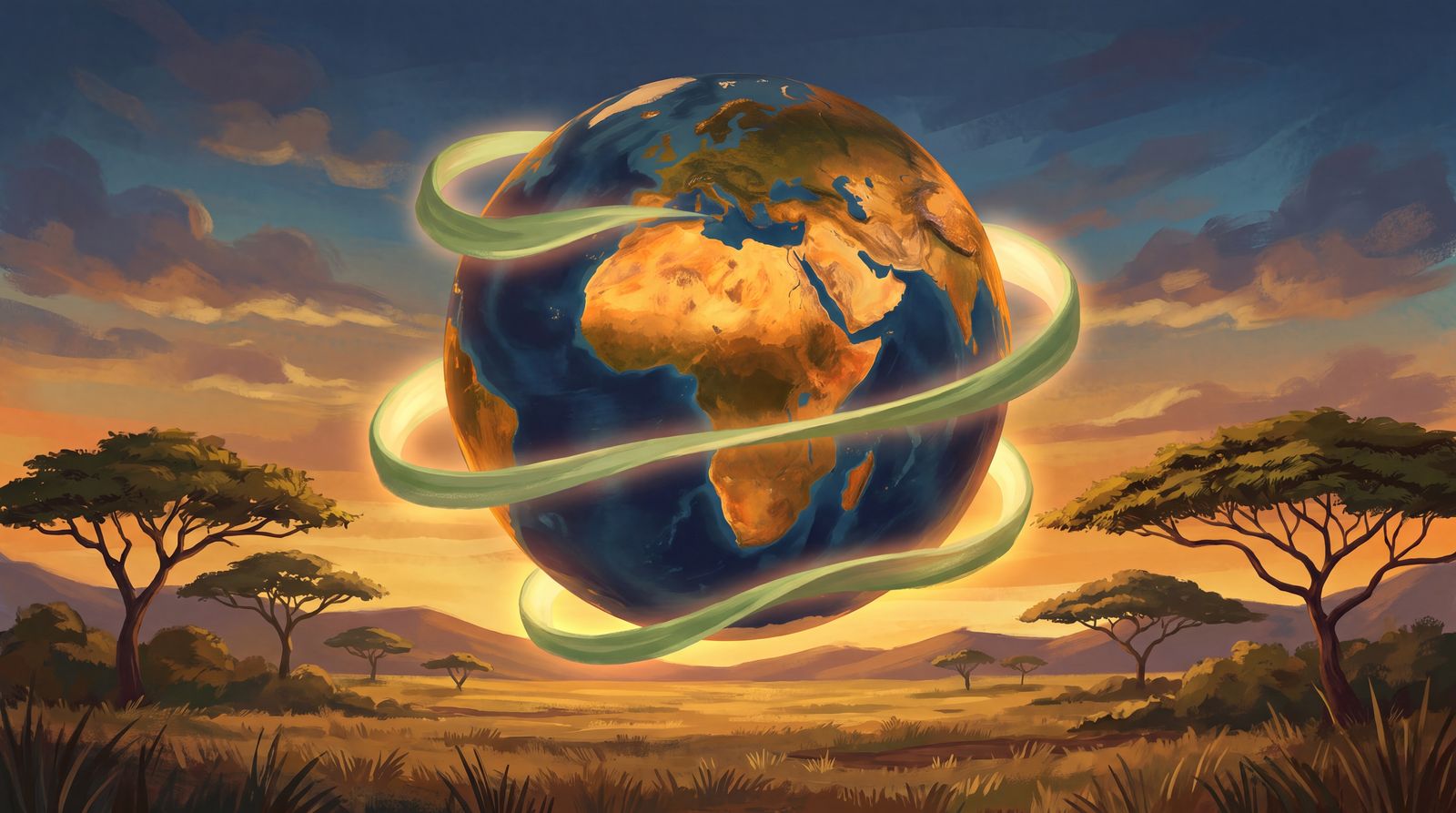
3.6 Million-Year-Old Footprints — and the Country That Keeps Them
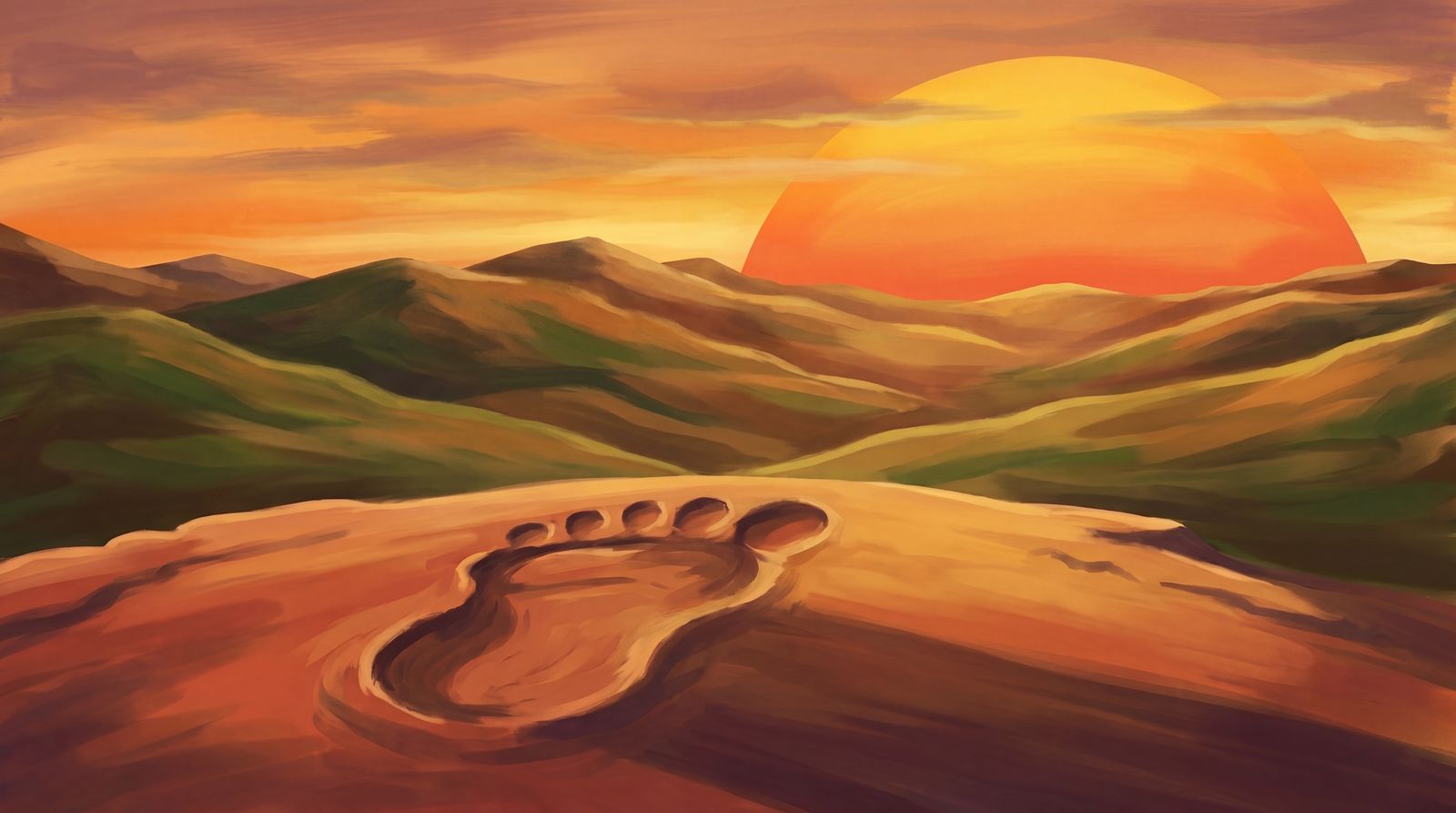
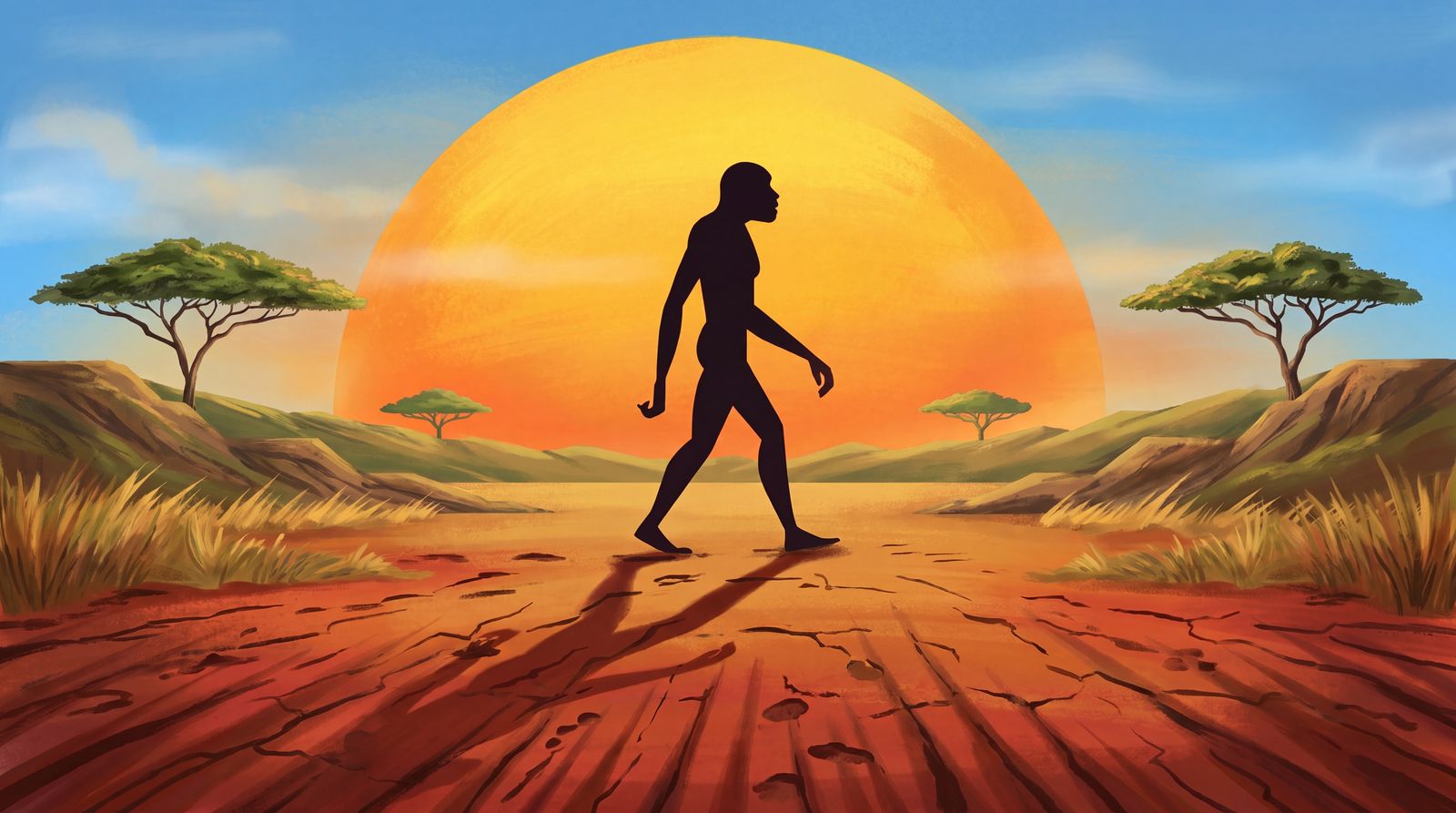
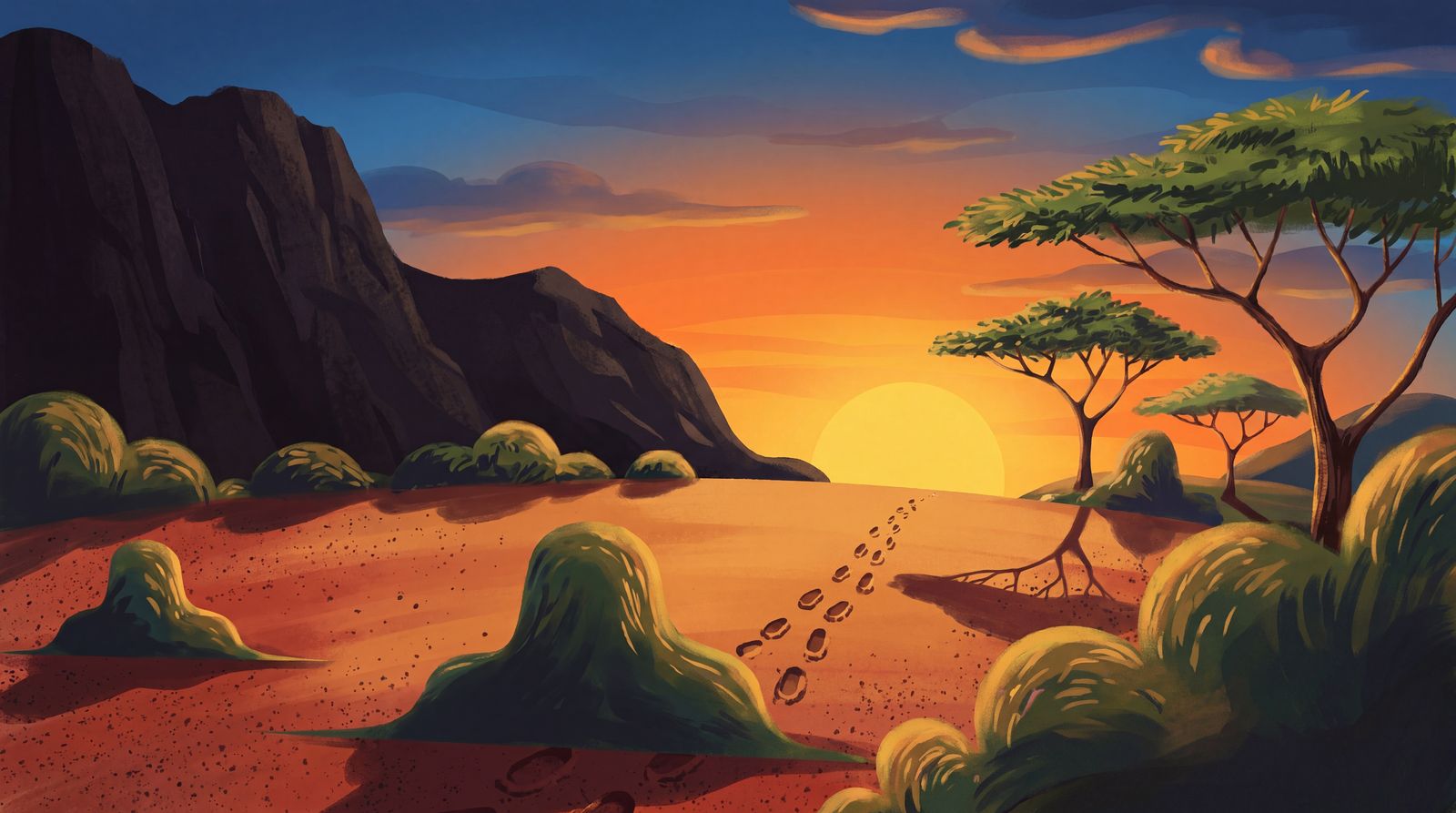
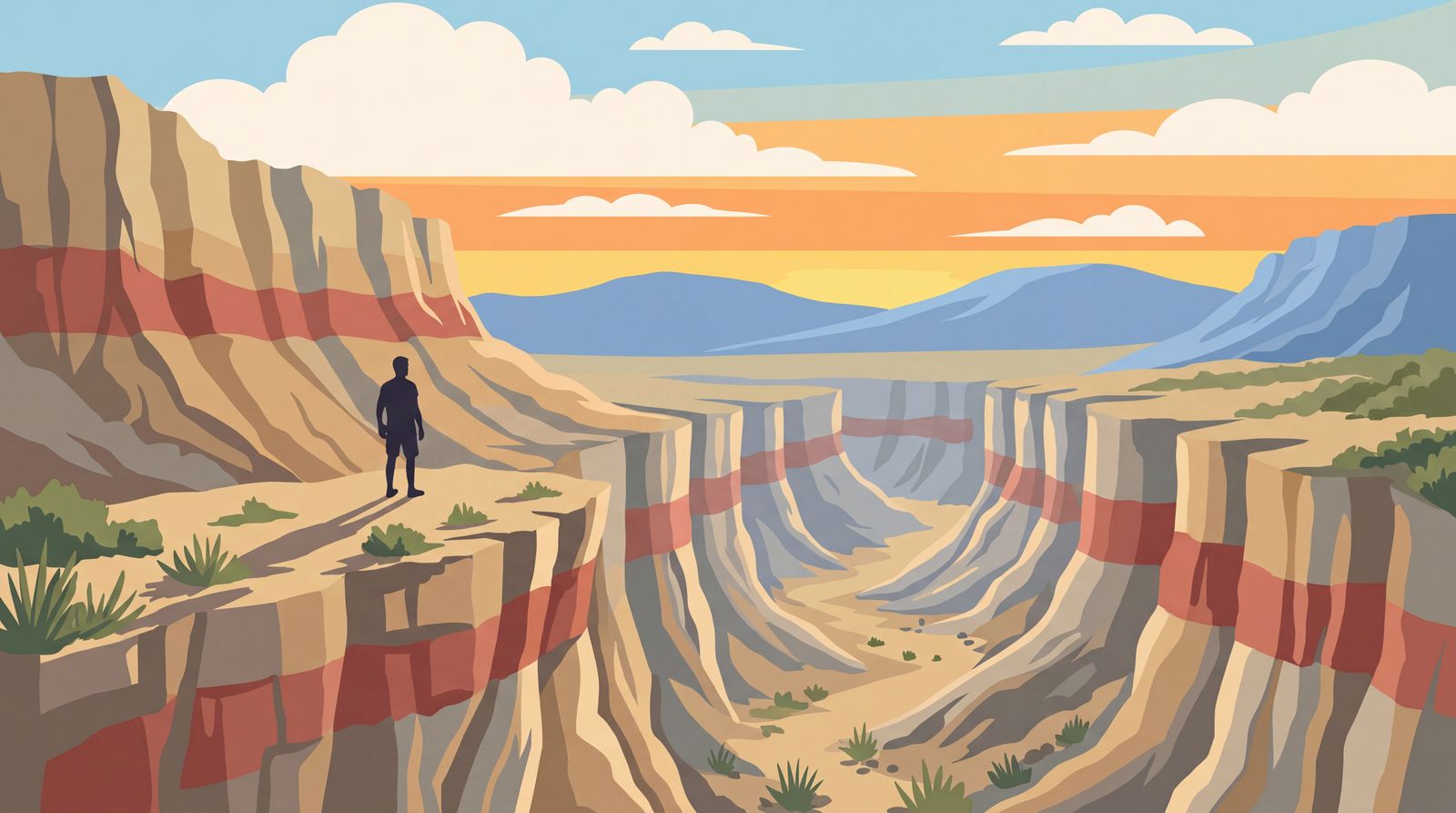
Three and a half million years ago, someone walked across this ground. And their footprints are still here. This is the country where every human story begins.

This is Dunia Docs. The real places behind the world's greatest stories.

We are starting in Tanzania.

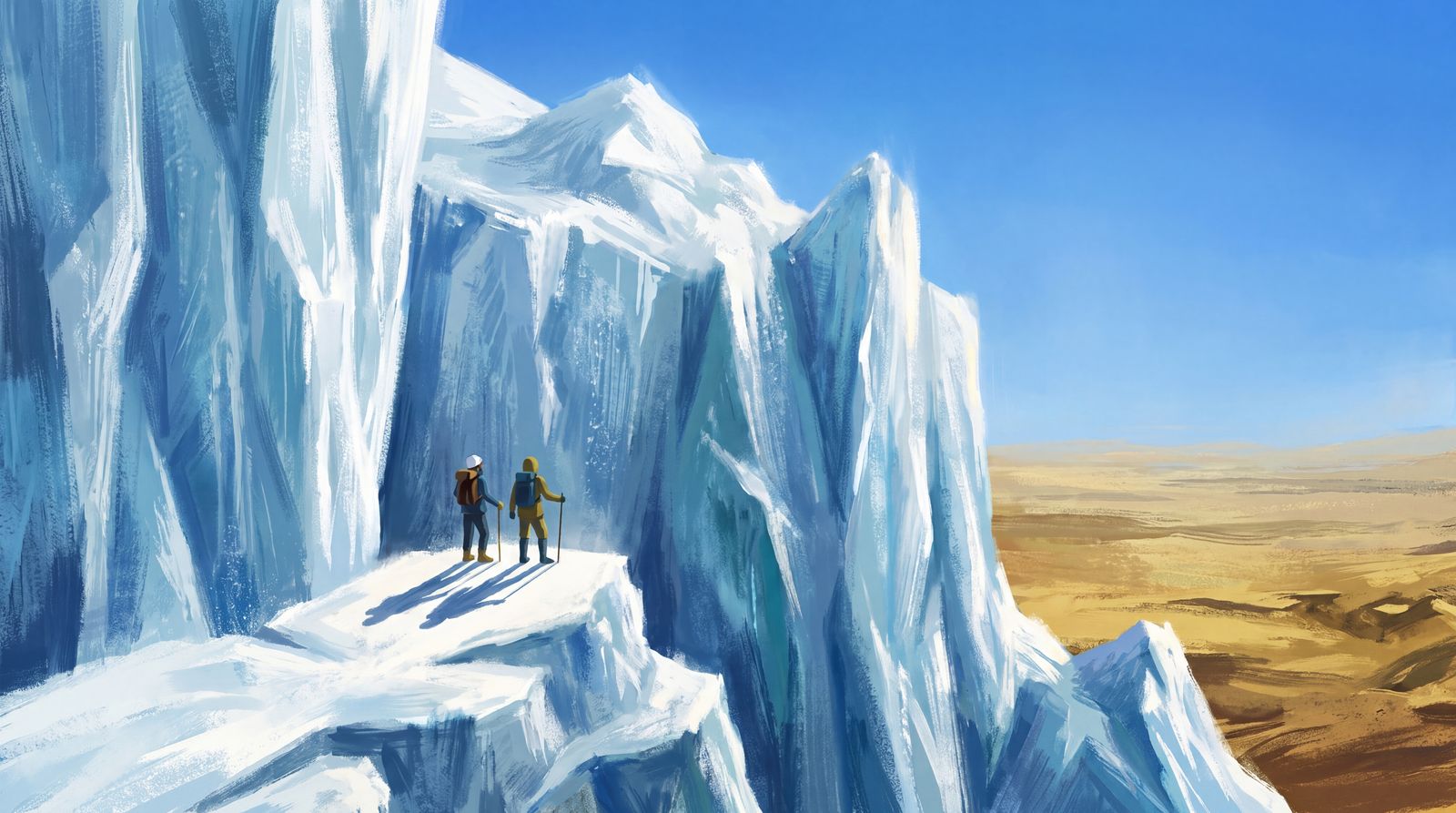
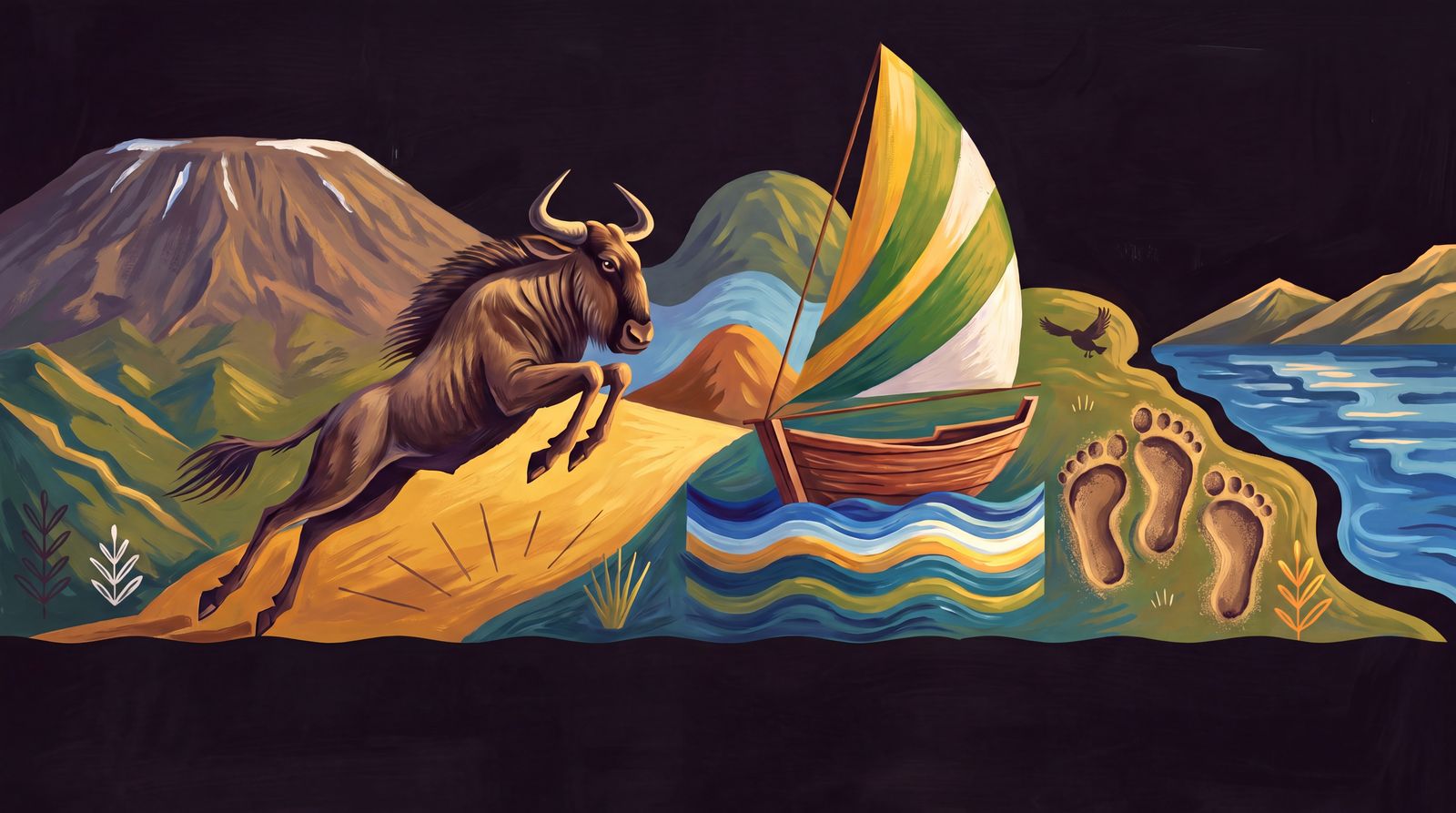
We will climb the vanishing snows of Kilimanjaro.

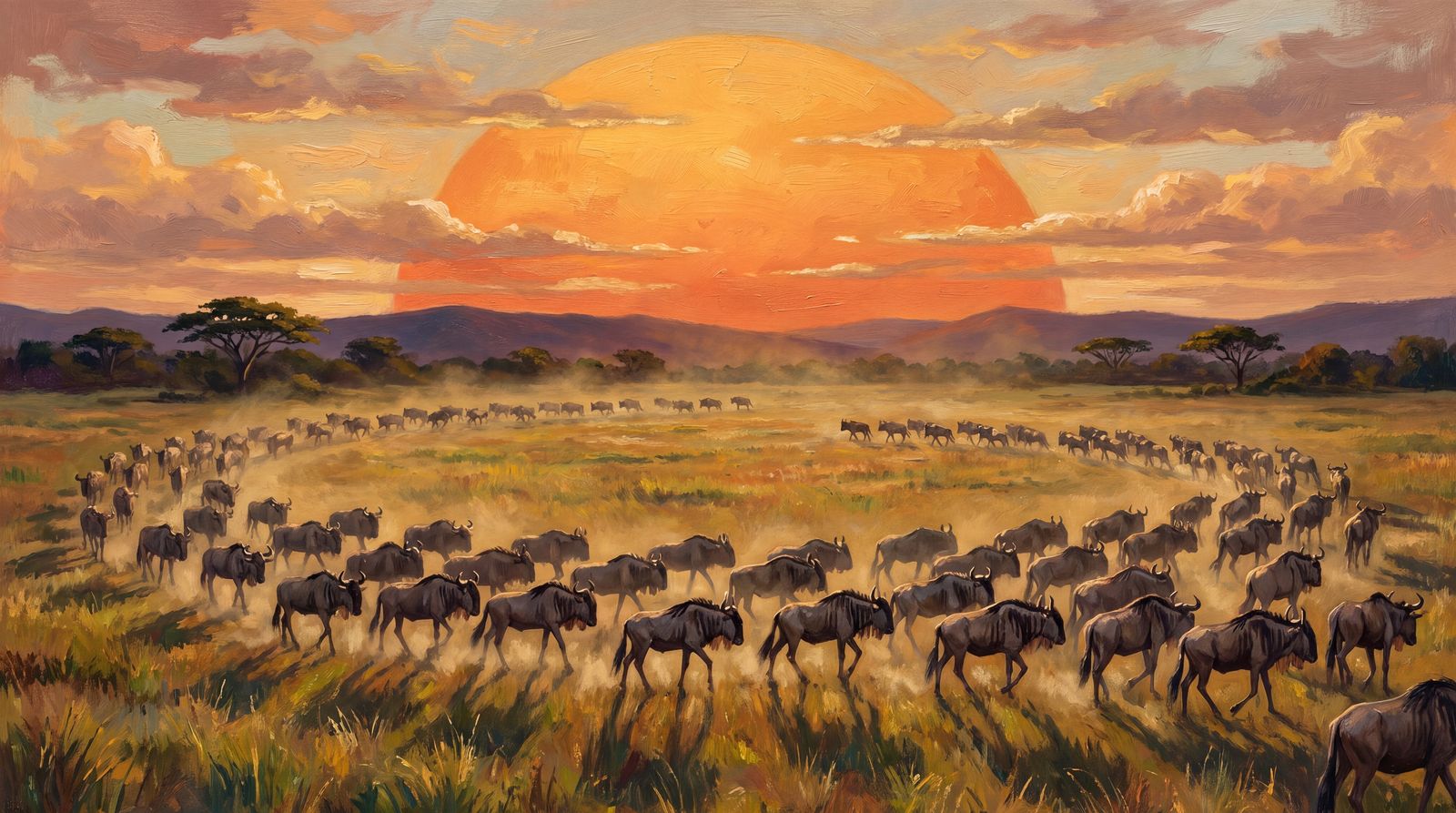
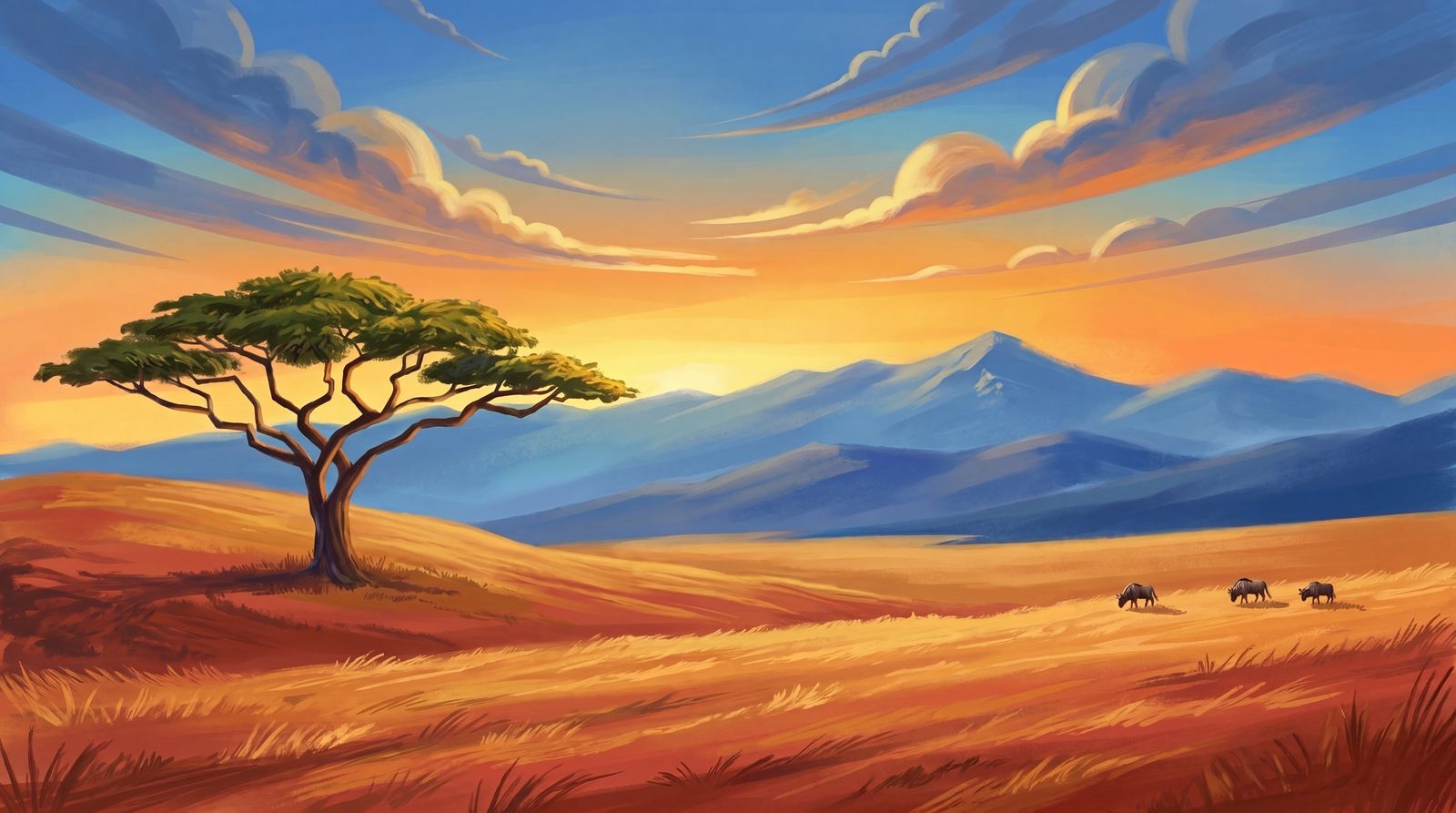
We will cross the Serengeti, with two million animals on the move.

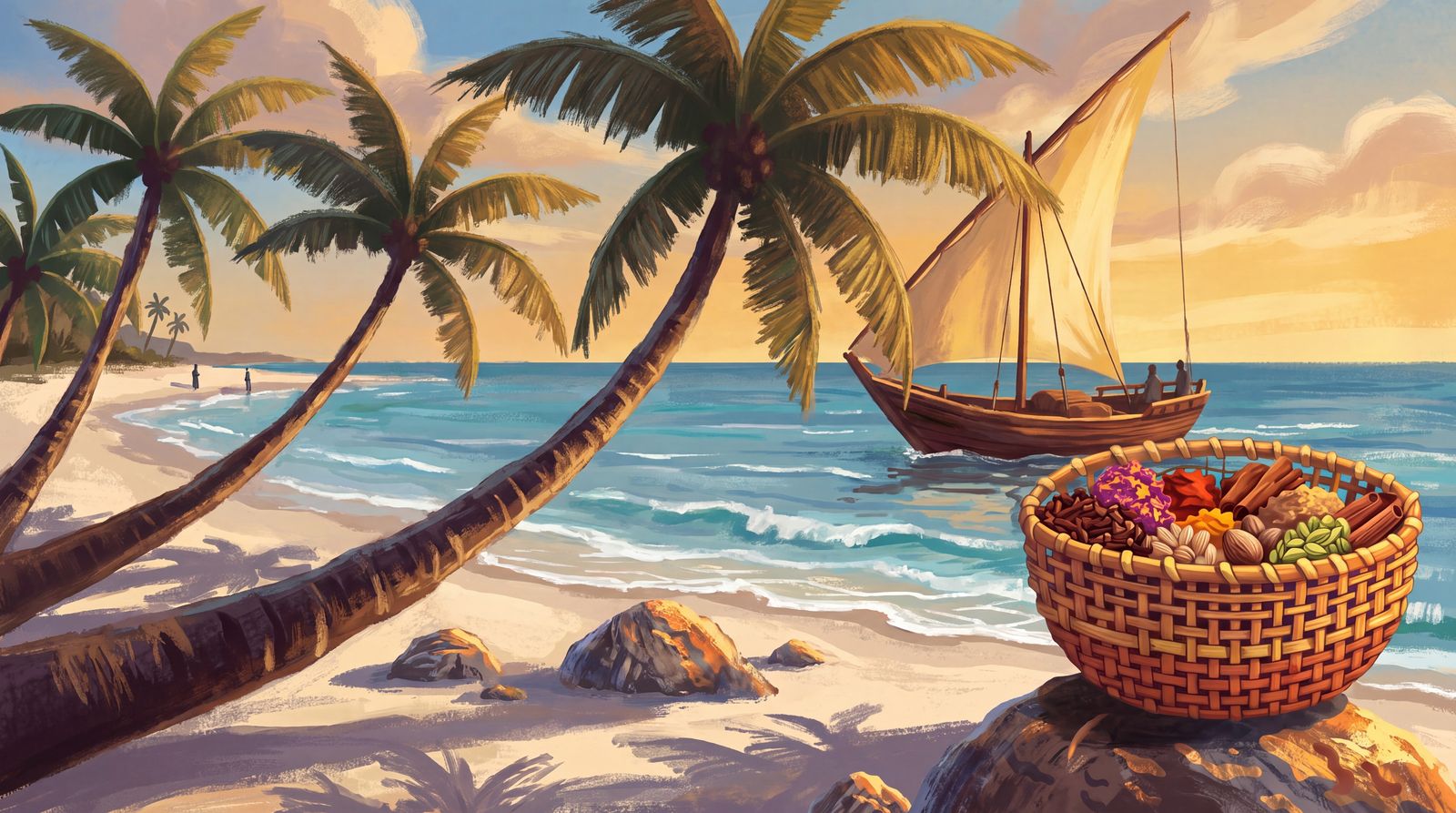
We will sail to the spice island of Zanzibar.

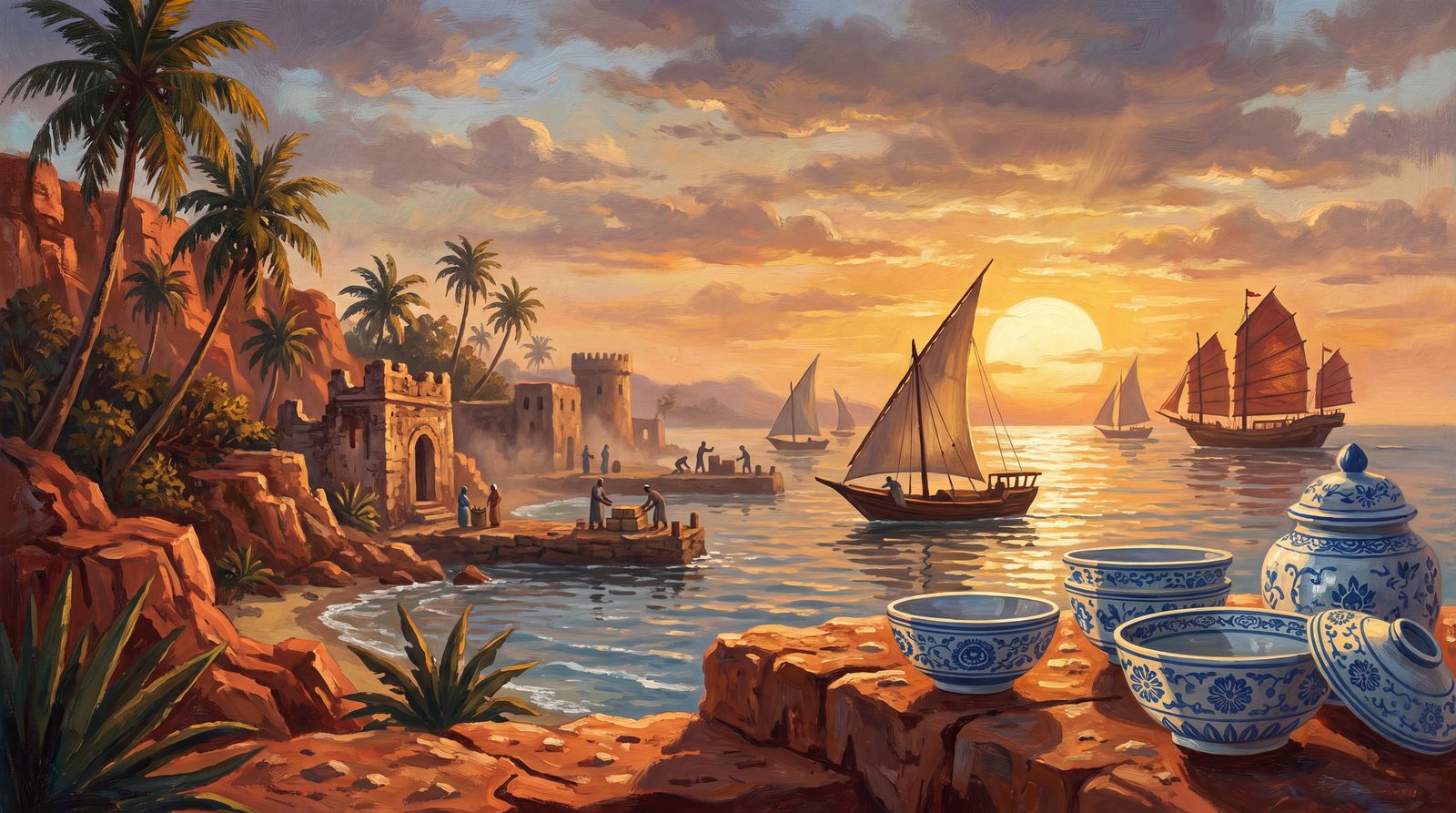
And we will stand in the ruins of an empire that once traded gold with China.

One country. A dozen stories you will not believe are all in the same place. So here is the question. Where on Earth does every human story begin?

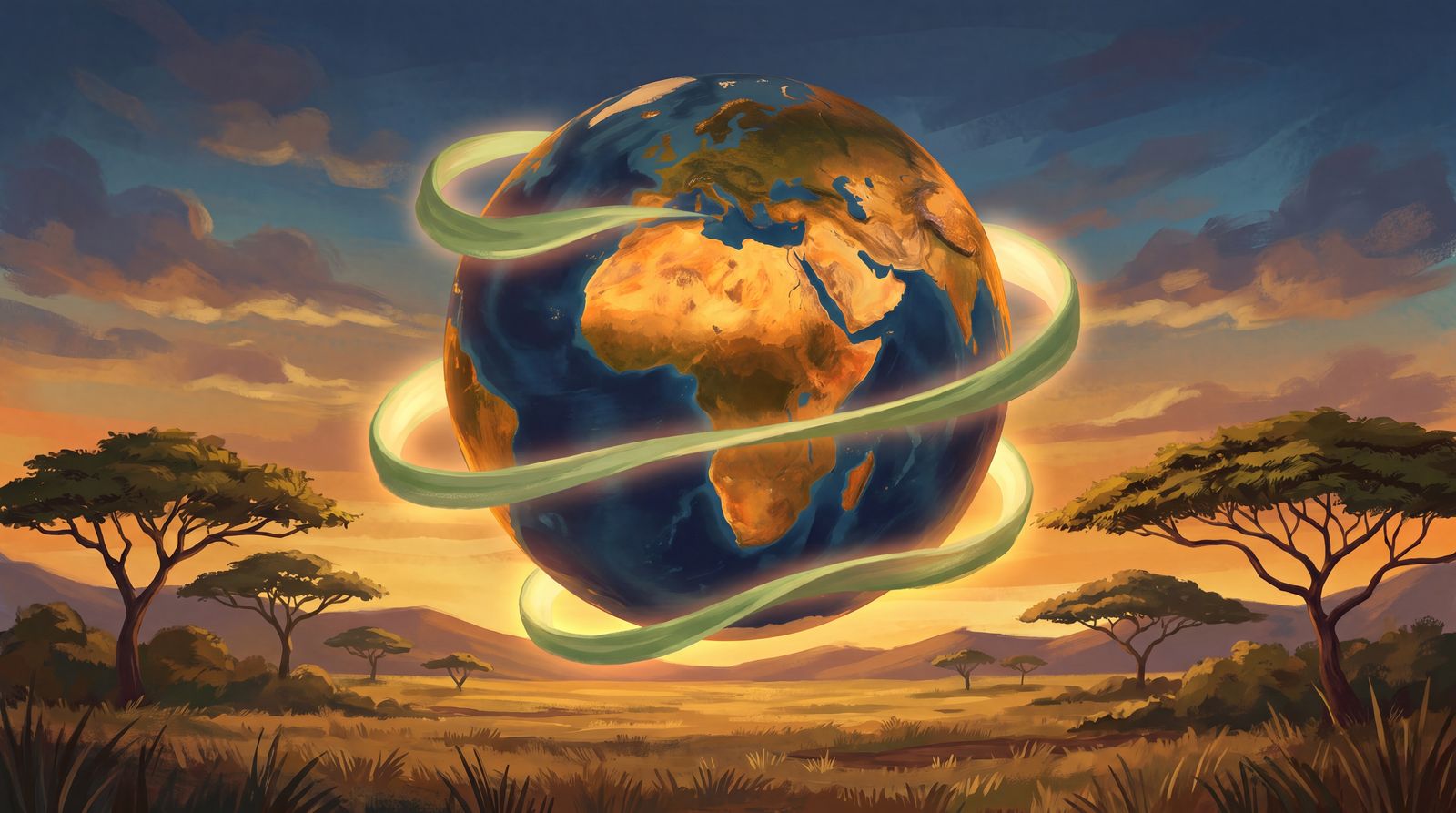
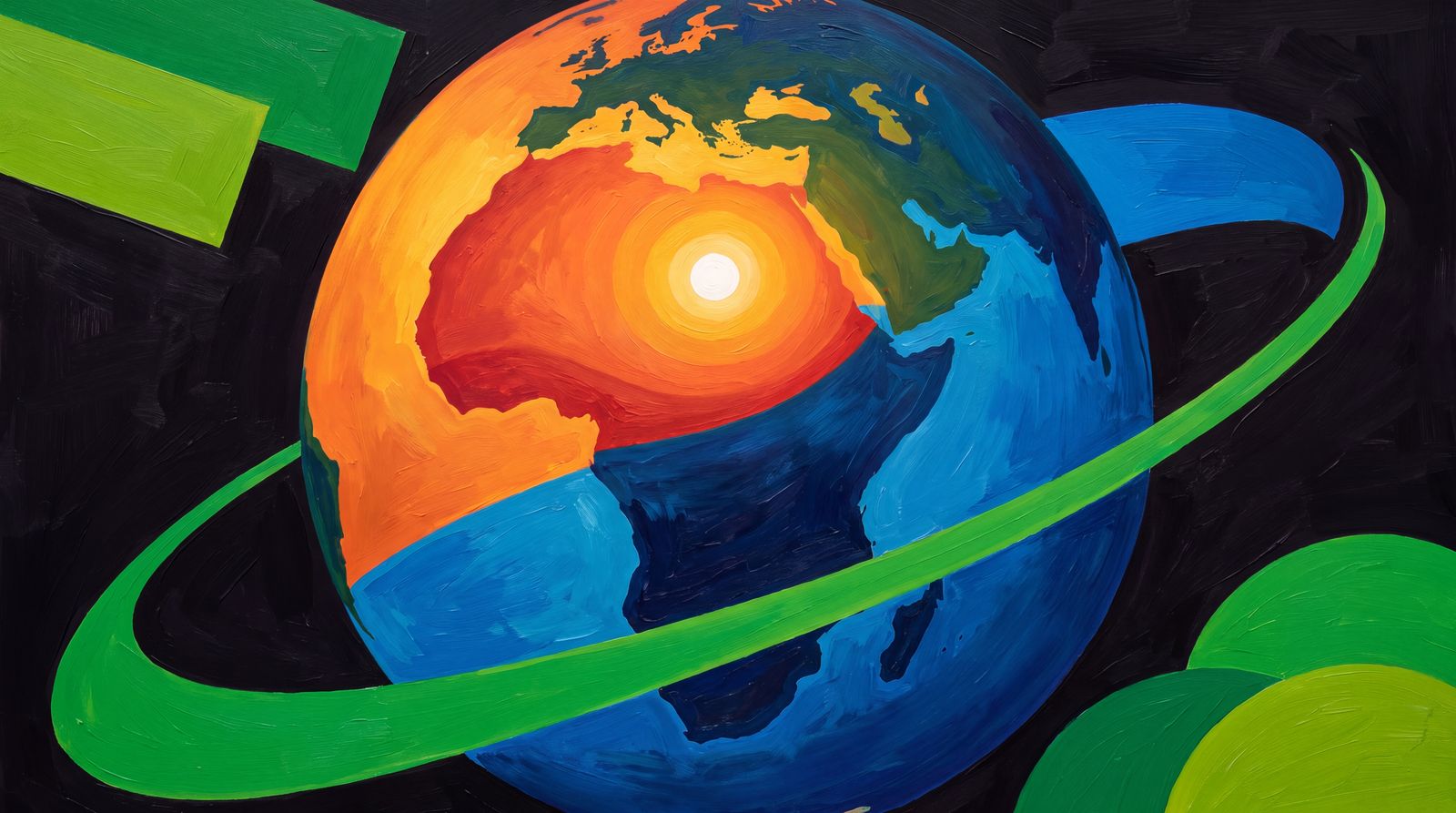
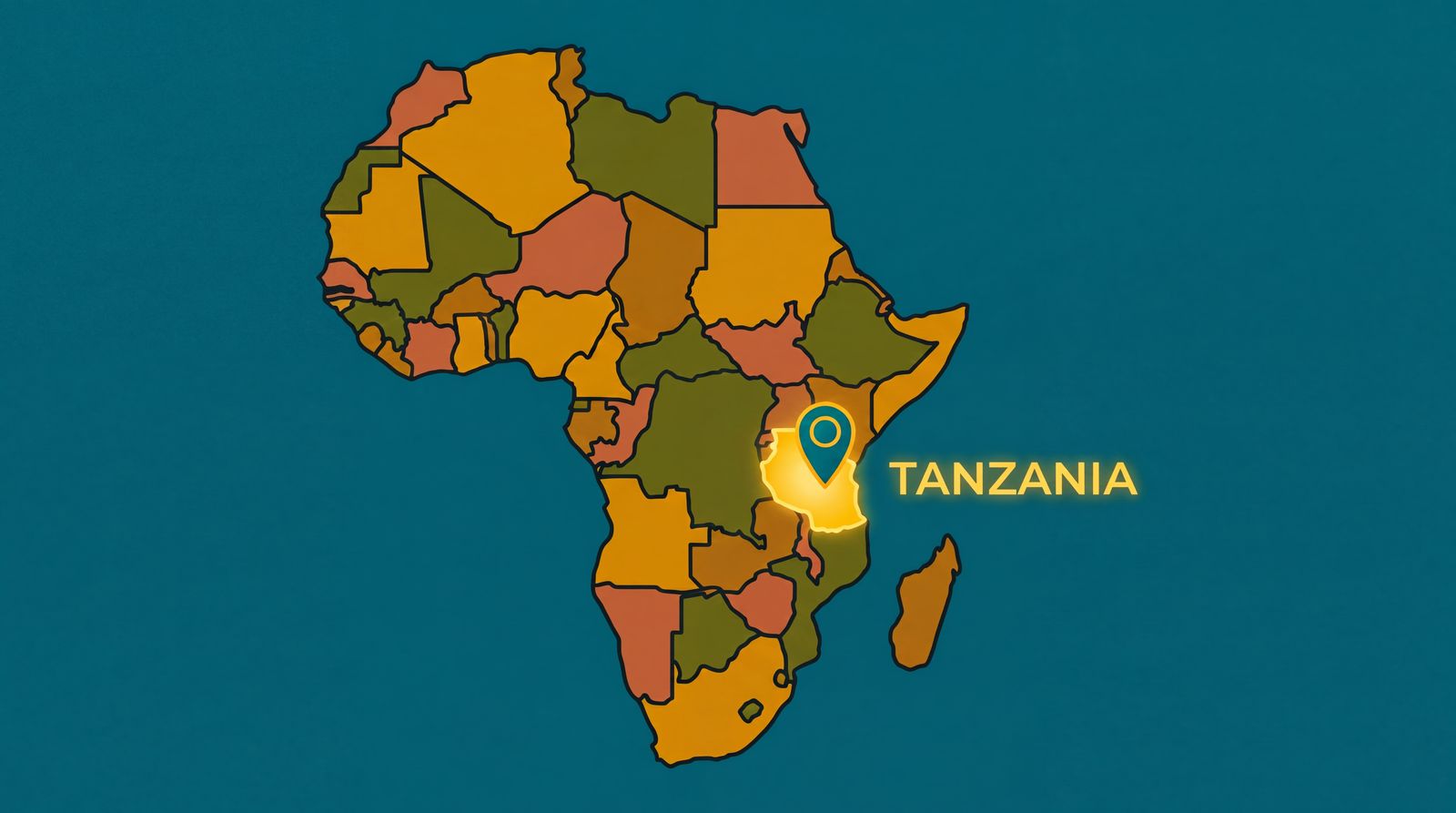
There is one place on Earth that every single human being alive can call home. The home of our entire species. And most people can't even find it on a map.

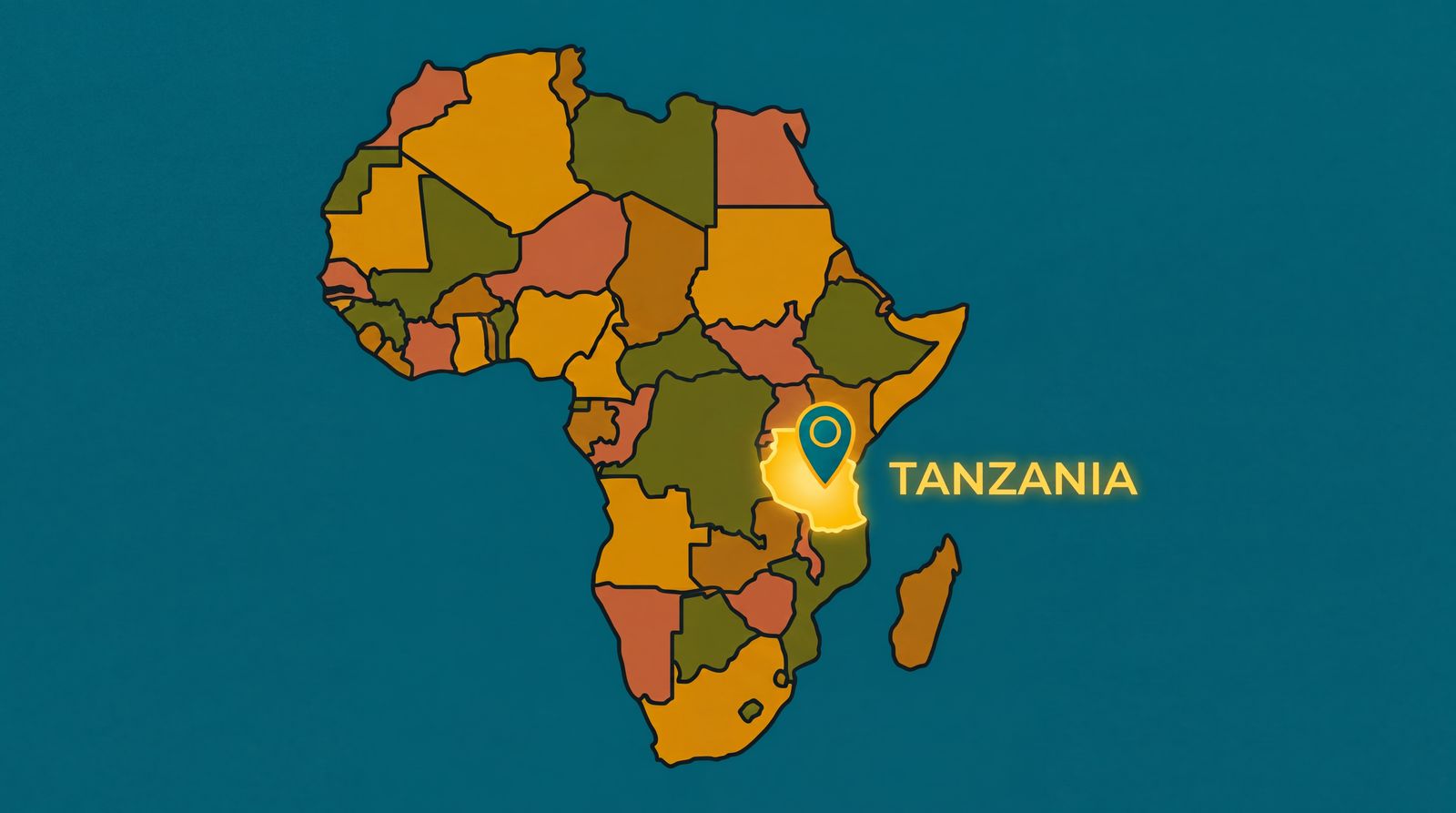
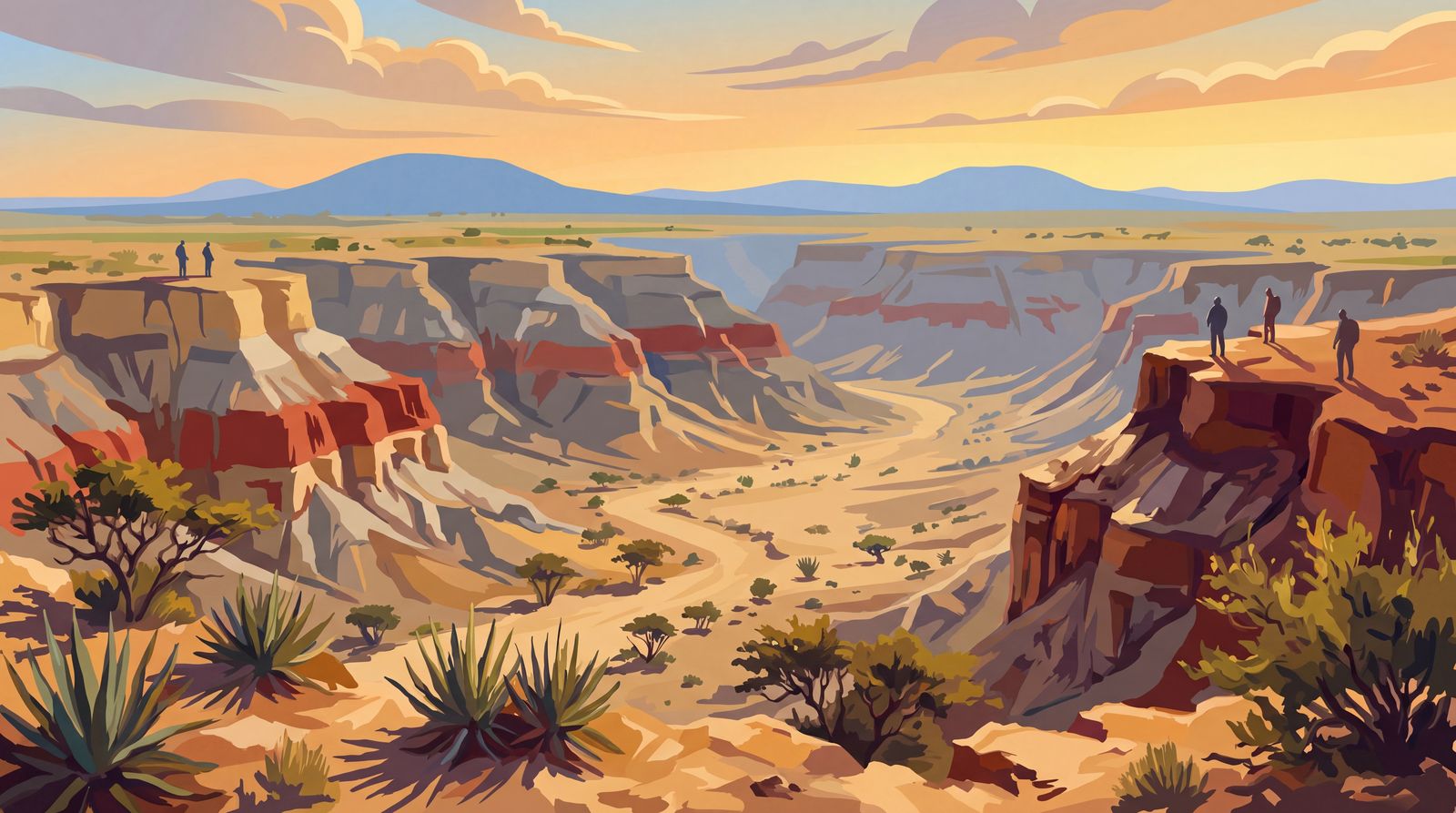
It sits on the eastern edge of Africa, split by one of the great rift valleys of the world. Scientists often call this region a cradle of humankind.

So why doesn't anyone talk about it?

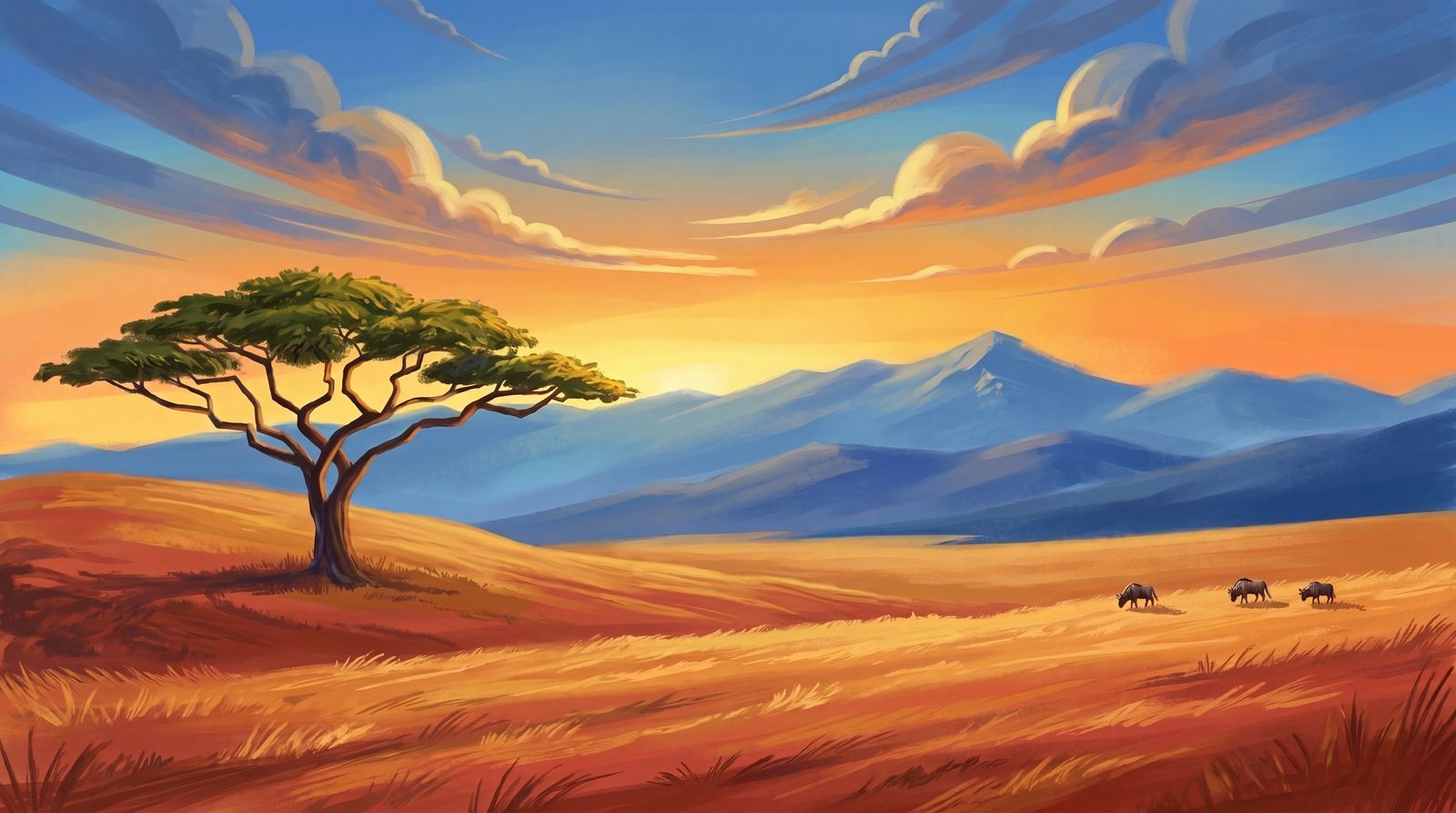
This is Tanzania. The ground where some of our earliest ancestors stood up and walked.

But to get there, we have to start with a set of footprints. Footprints that should not exist.

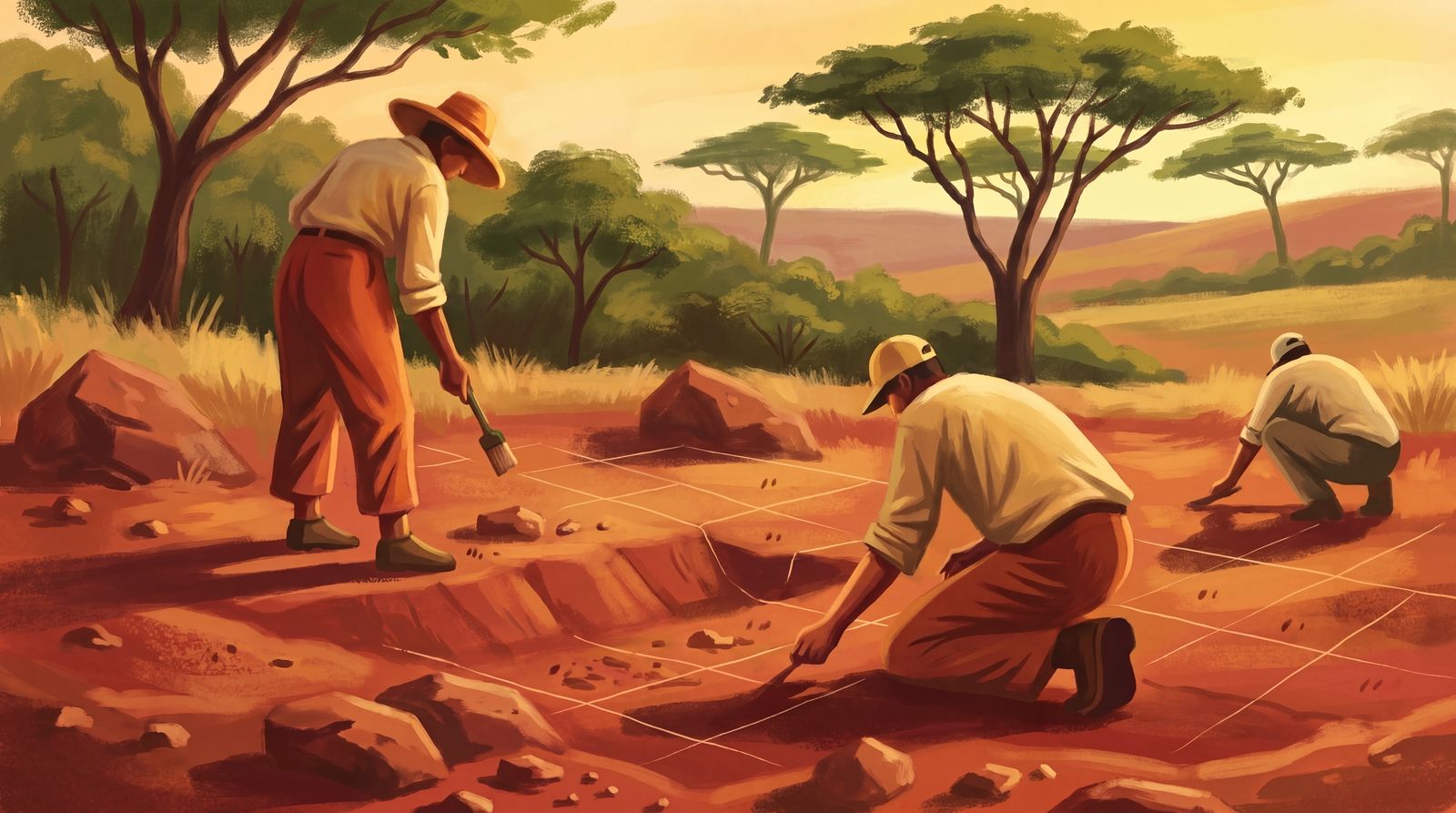
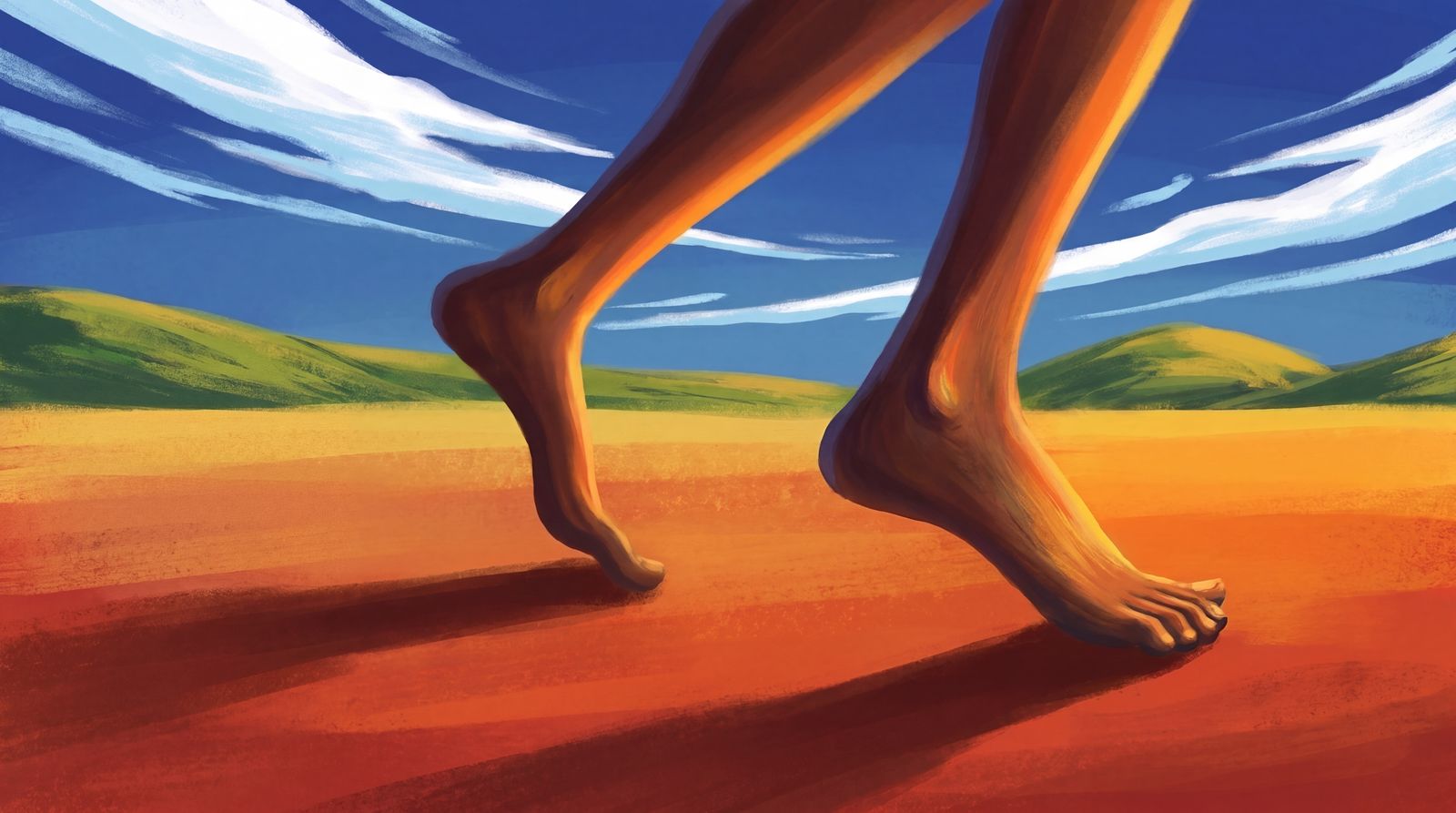
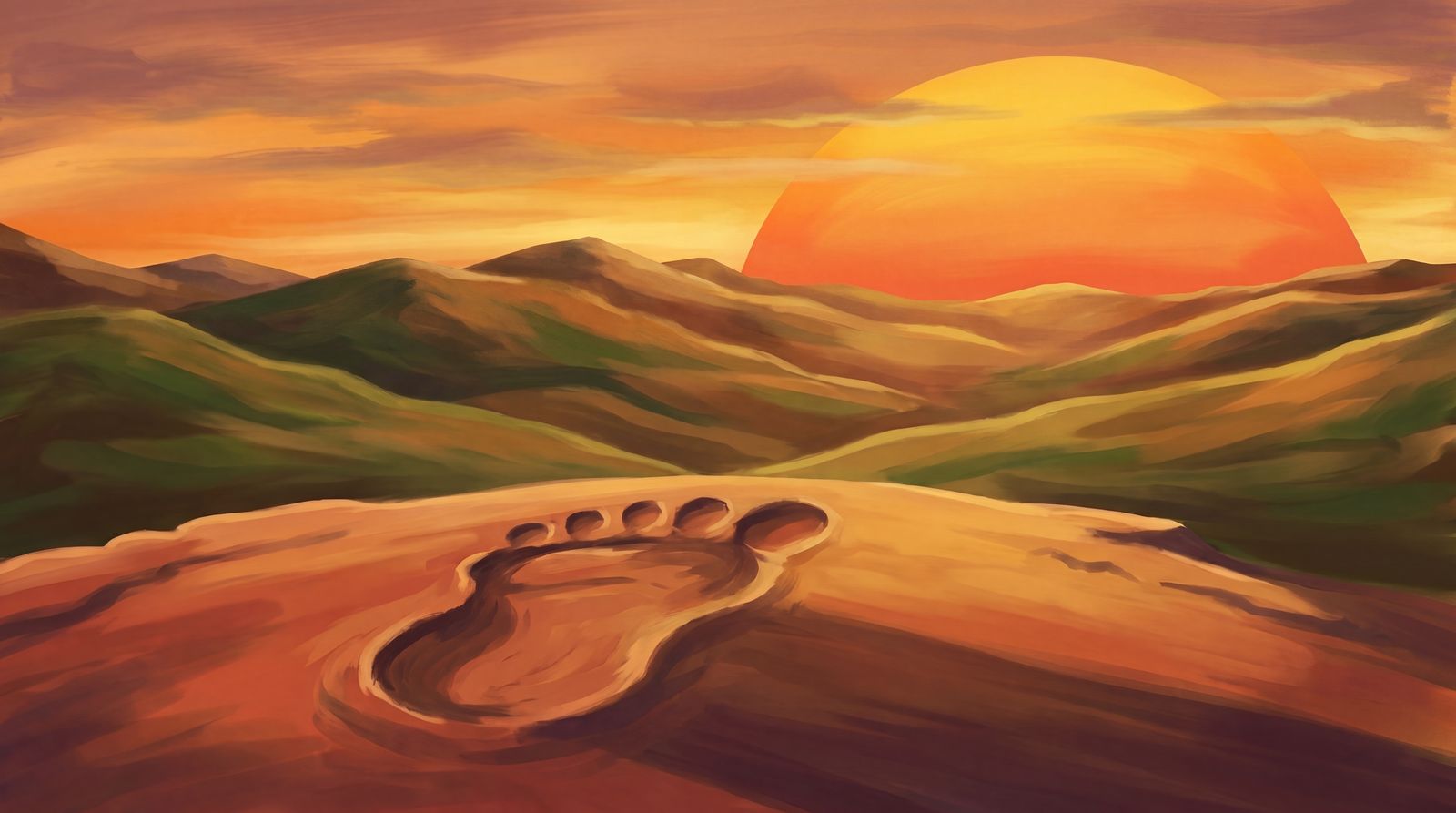
In 1978, a team led by Mary Leakey was working in a dusty stretch of northern Tanzania called Laetoli, and they found something that stopped them cold.

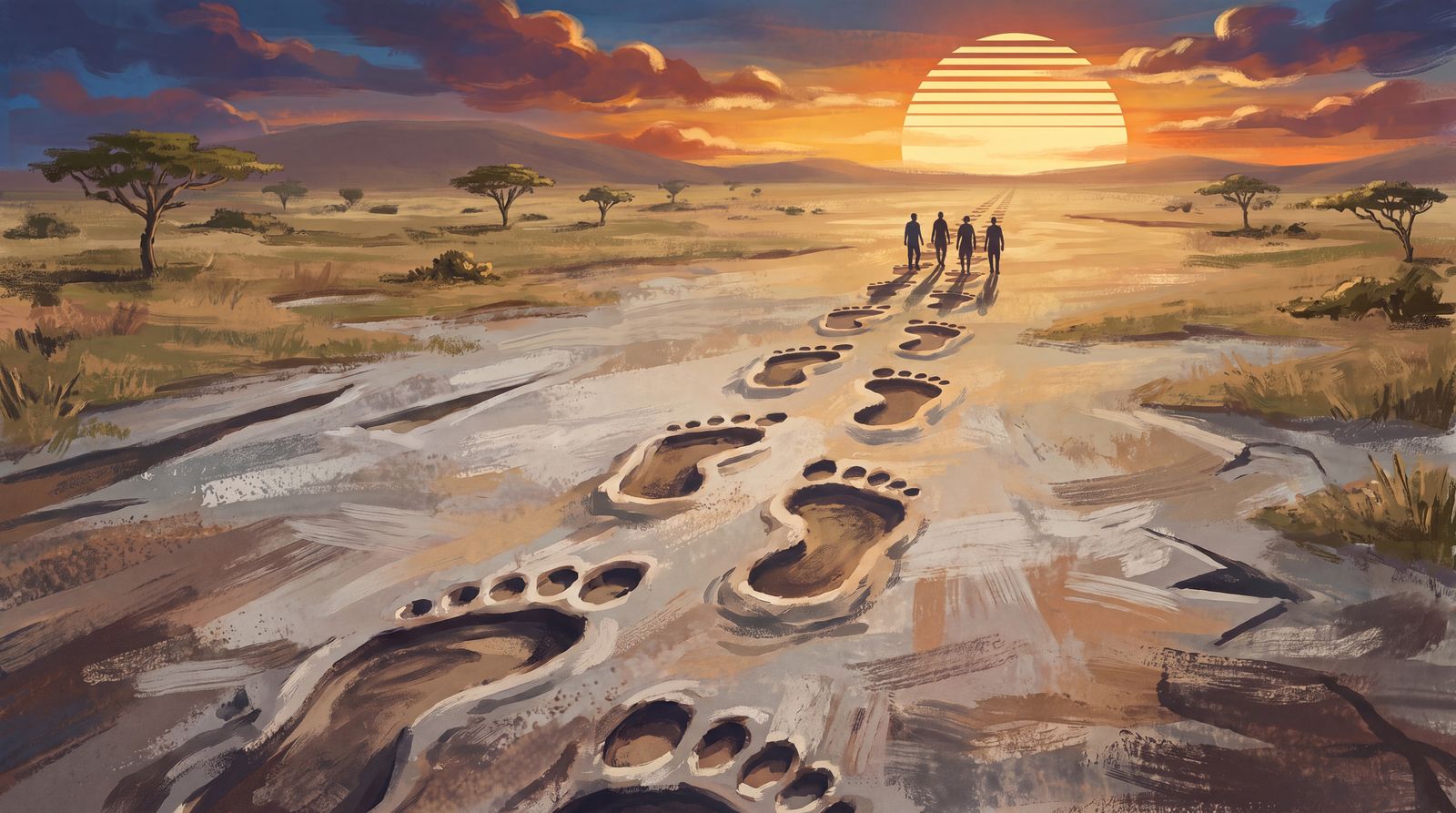
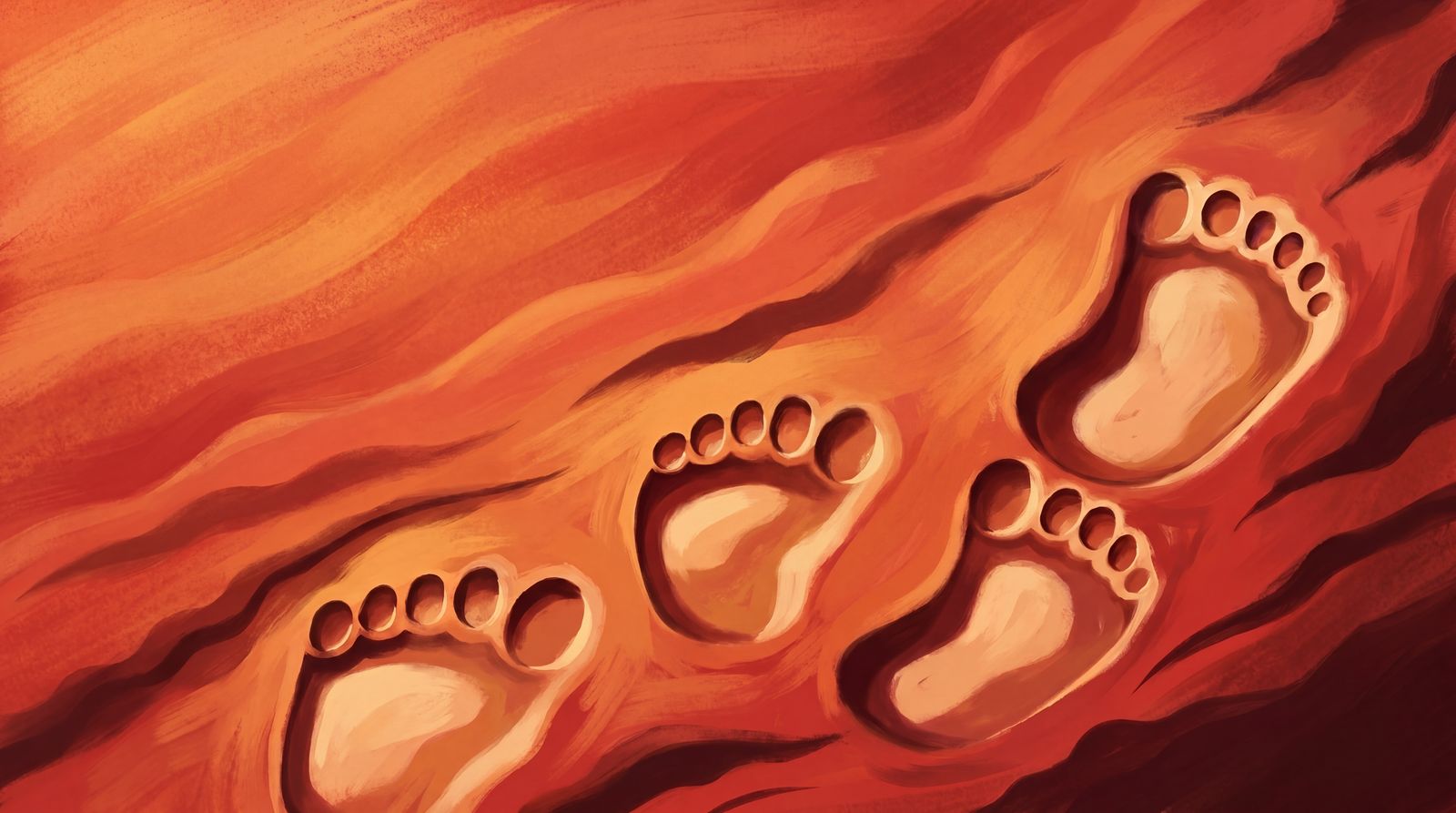
Footprints, pressed into ancient ash. A trail of them, walking side by side, as if a small family had strolled across the land one morning.

Now here's the question that haunts scientists. How old do you think those footprints are? A thousand years? Ten thousand?

Try three point six million.

Stay with me. If you love the questions textbooks never answer, tap subscribe. It's free, and it's the only way these stories keep coming.

Okay. Back to the footprints. For a long time, scientists believed our ancestors grew big brains first, and only later learned to walk upright.

But these prints broke that idea in half. Whoever left them walked perfectly upright, millions of years before our brains grew large. Walking came first. The mind came later.

And that wasn't even the biggest discovery in this corner of Tanzania.

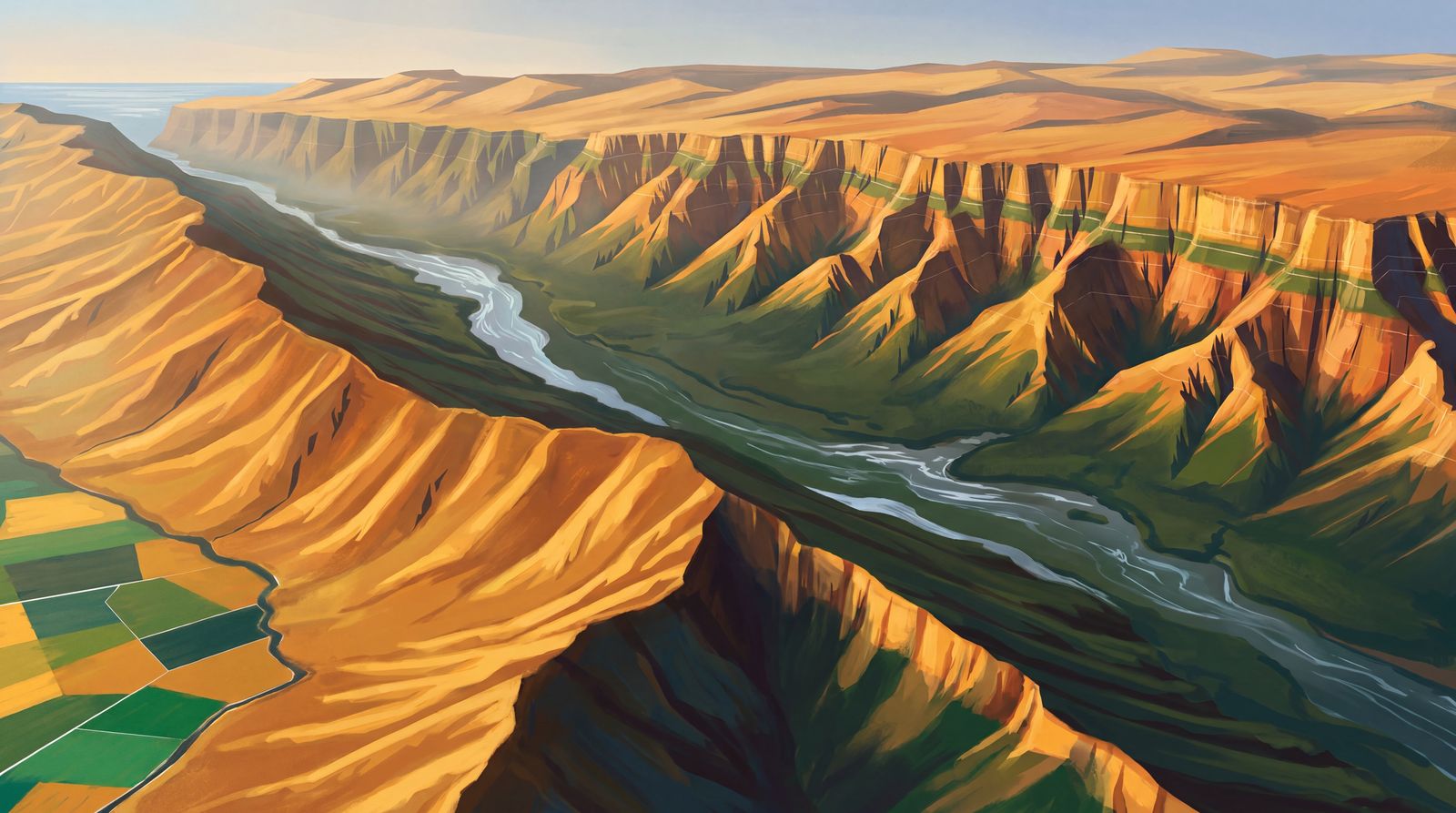
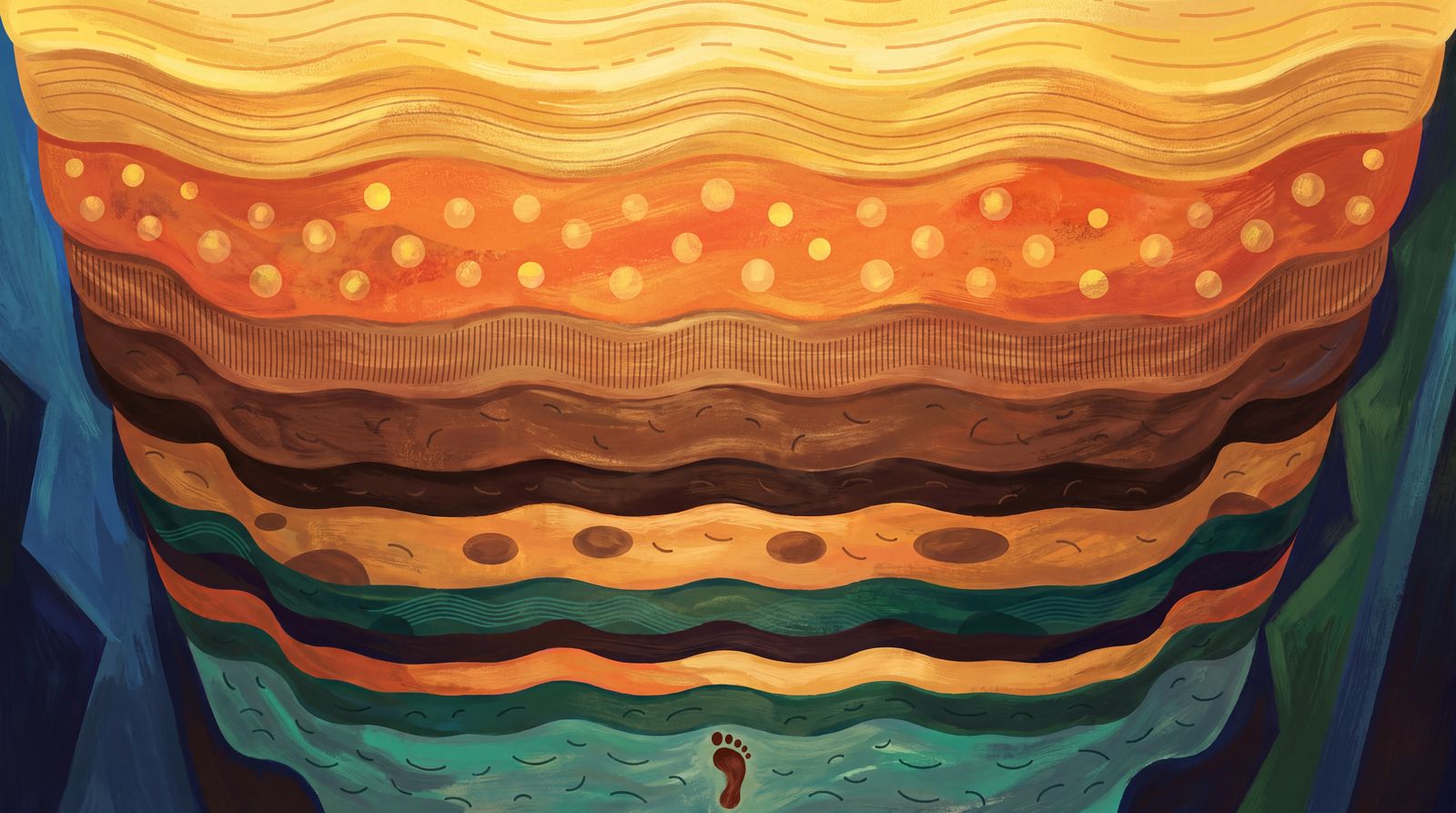
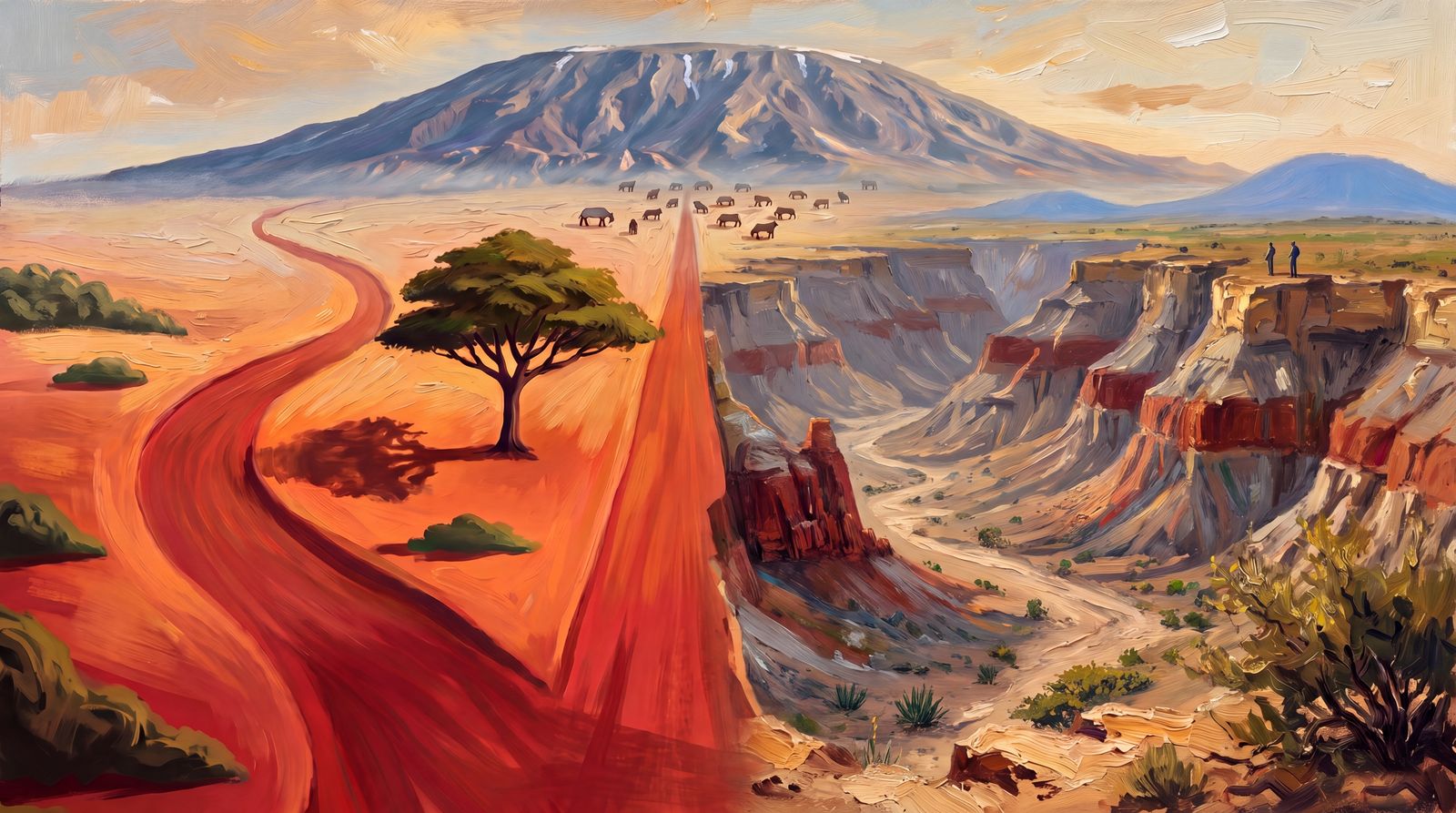
Just down the road sits a steep ravine called Olduvai Gorge. Scientists pulled fossil after fossil from its walls, and it earned a famous nickname: the cradle of humankind.

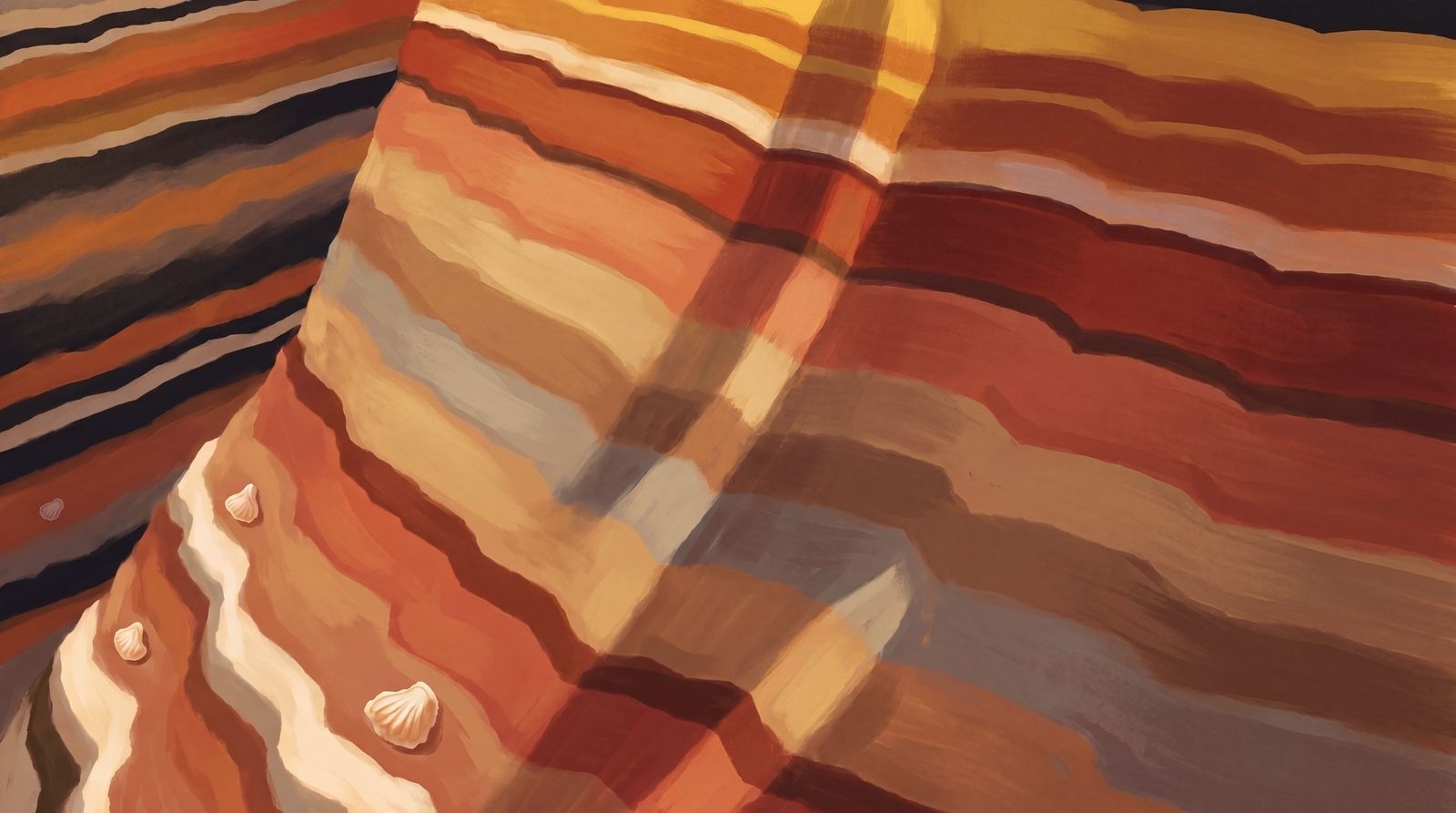
Layer by layer, the gorge holds almost two million years of human history stacked like pages in a book. Walk down its slope, and you walk backward through time.

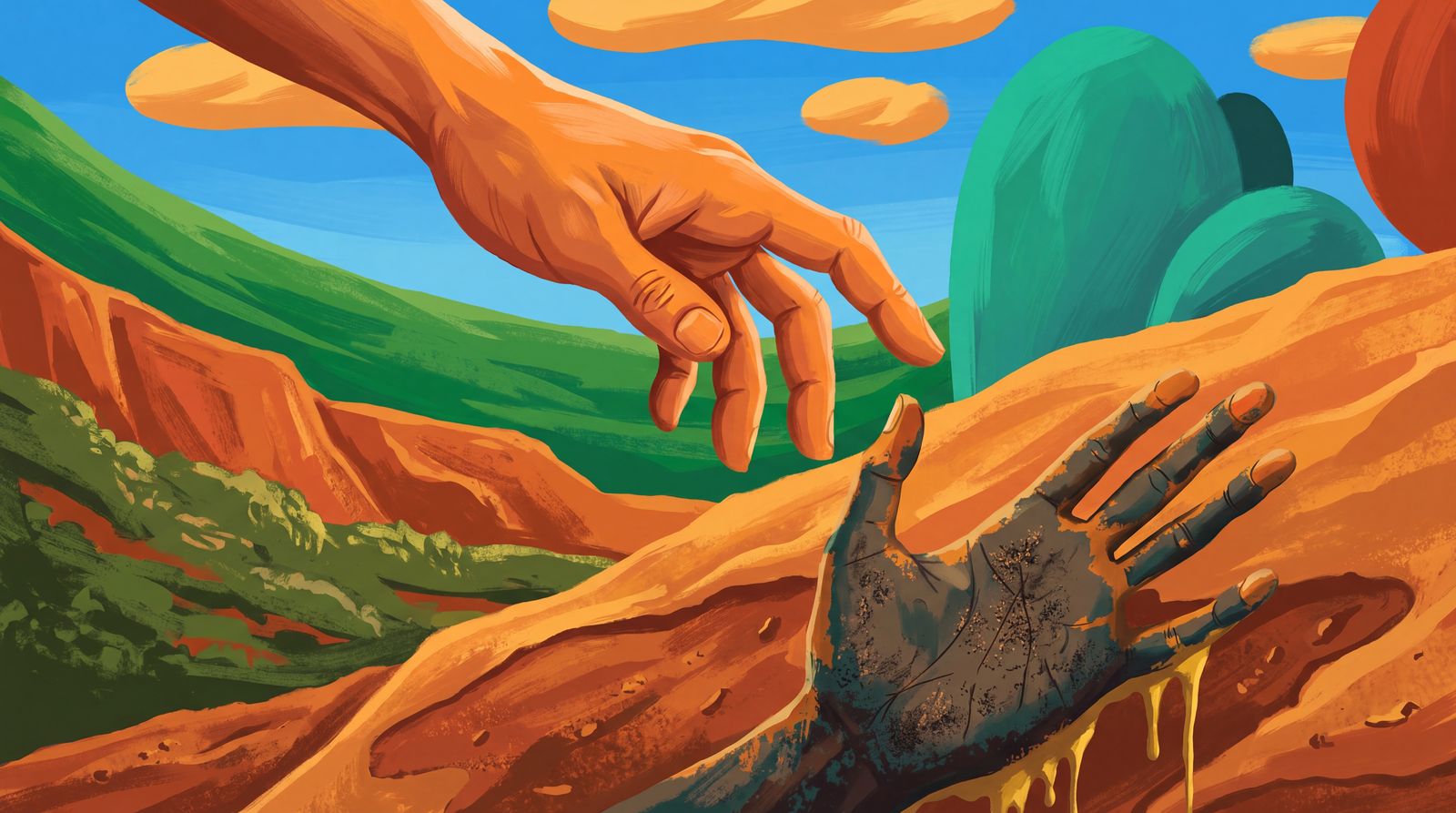
So let that sink in. The story of you, your hands, your upright back, your earliest ancestors, it runs straight through Tanzania.

But here's what surprises people most. Tanzania might be the most spectacular country most people have never really looked at.

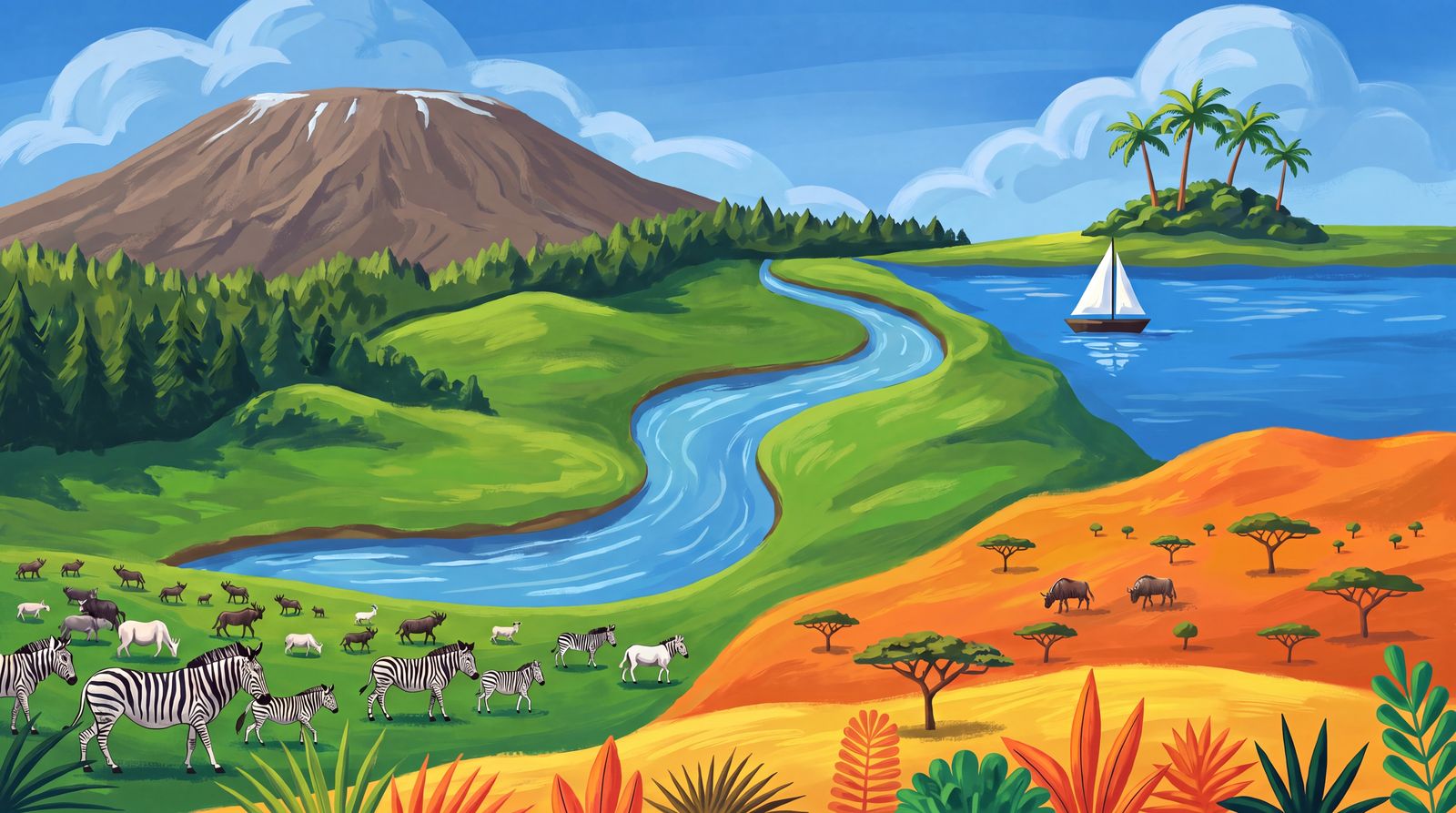
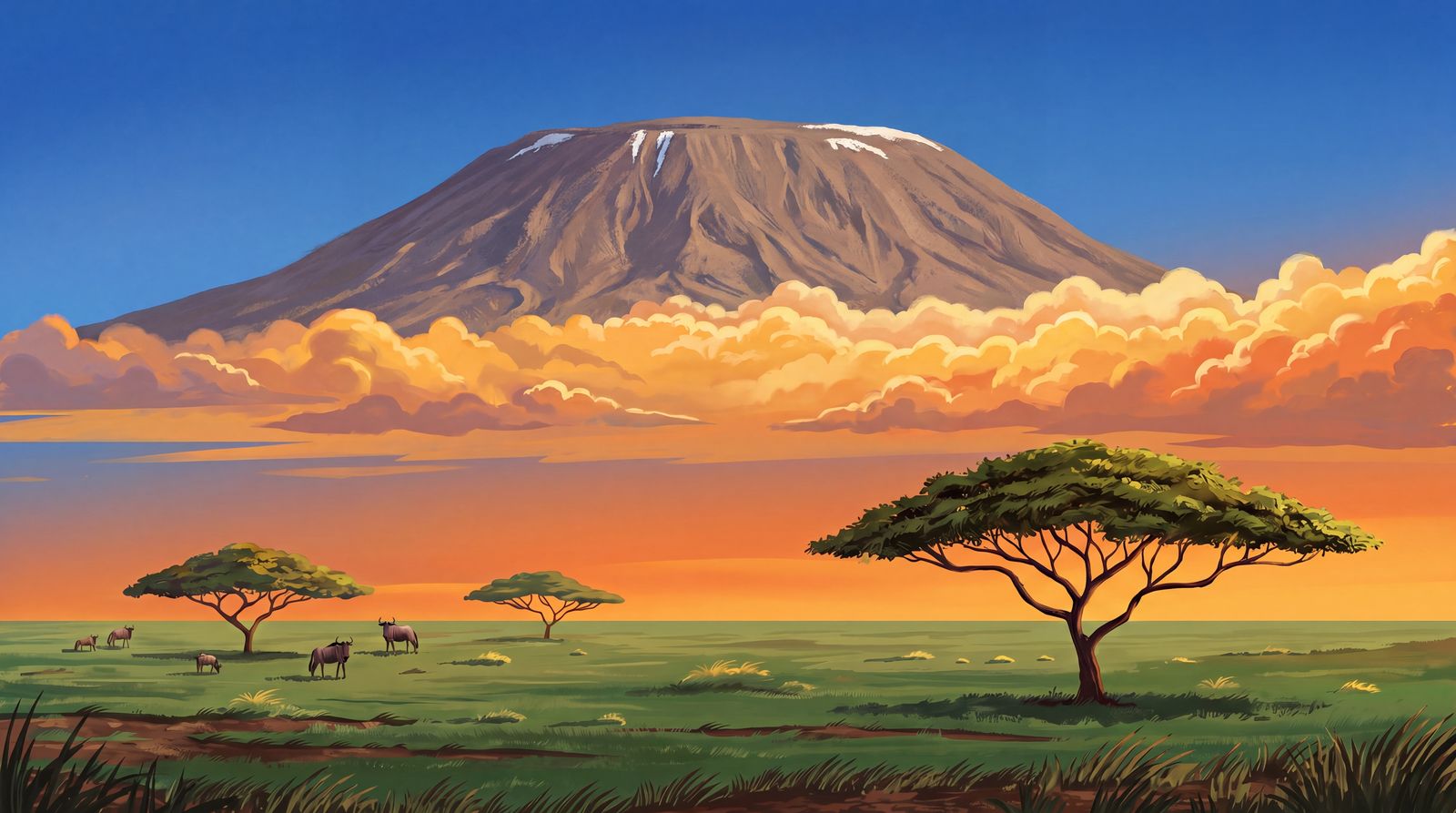
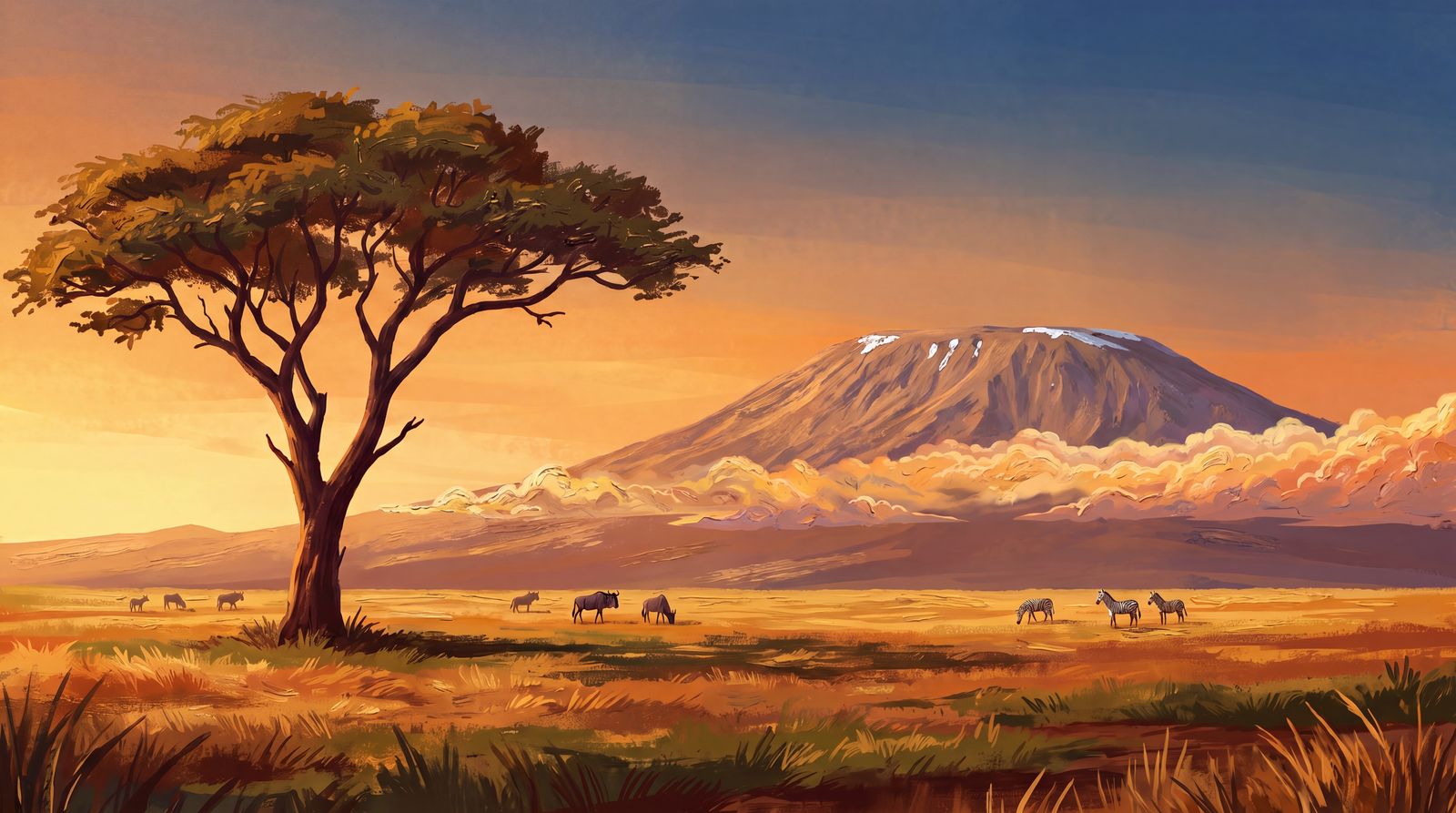
Start with the roof of Africa. Mount Kilimanjaro rises out of flat plains all on its own, the tallest free-standing mountain on the planet, its snowy glaciers now slowly shrinking.

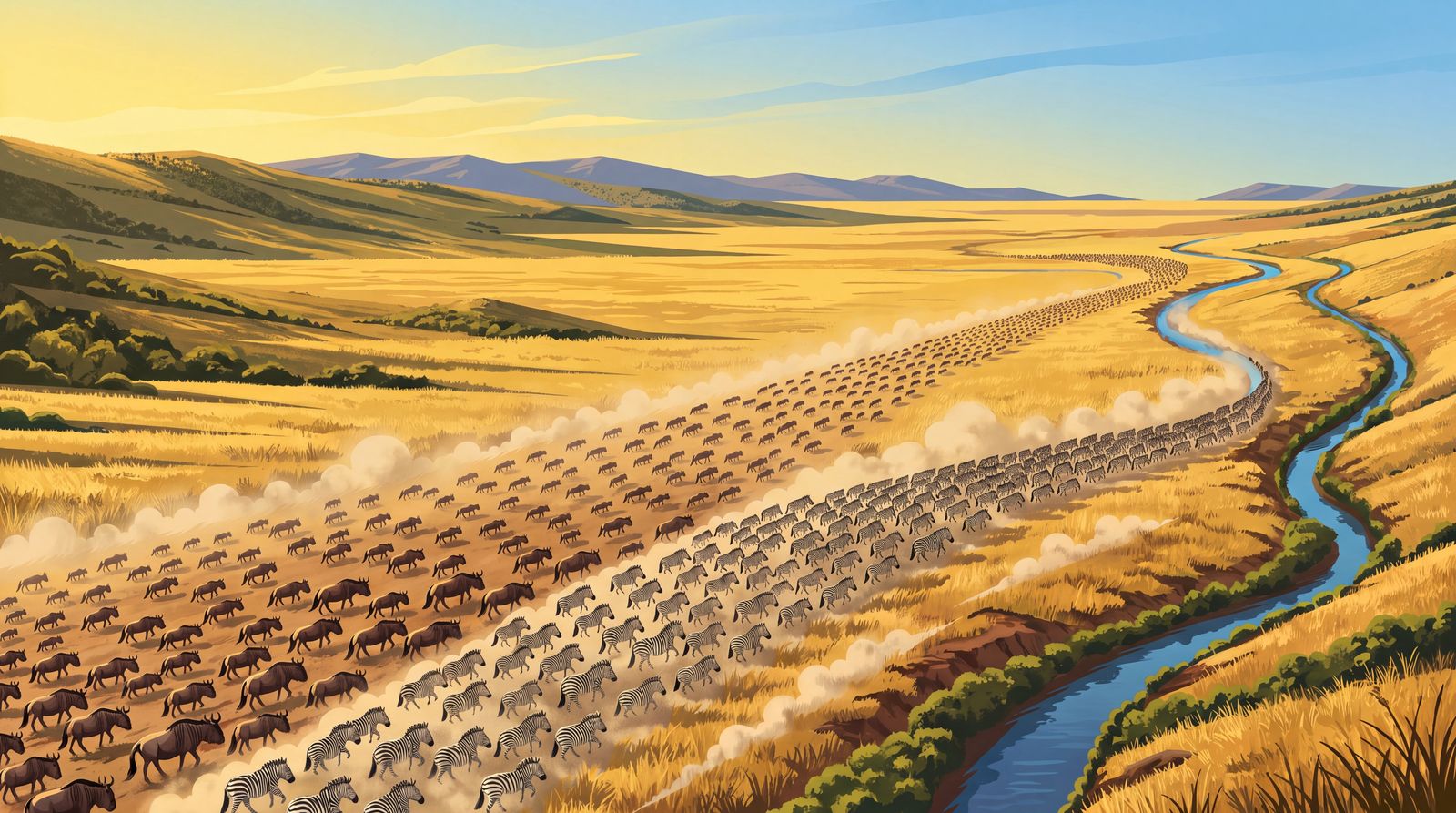
Then there's the Serengeti. More than a million wildebeest thunder across these plains every year, the largest land migration left on Earth, a living river of hooves.

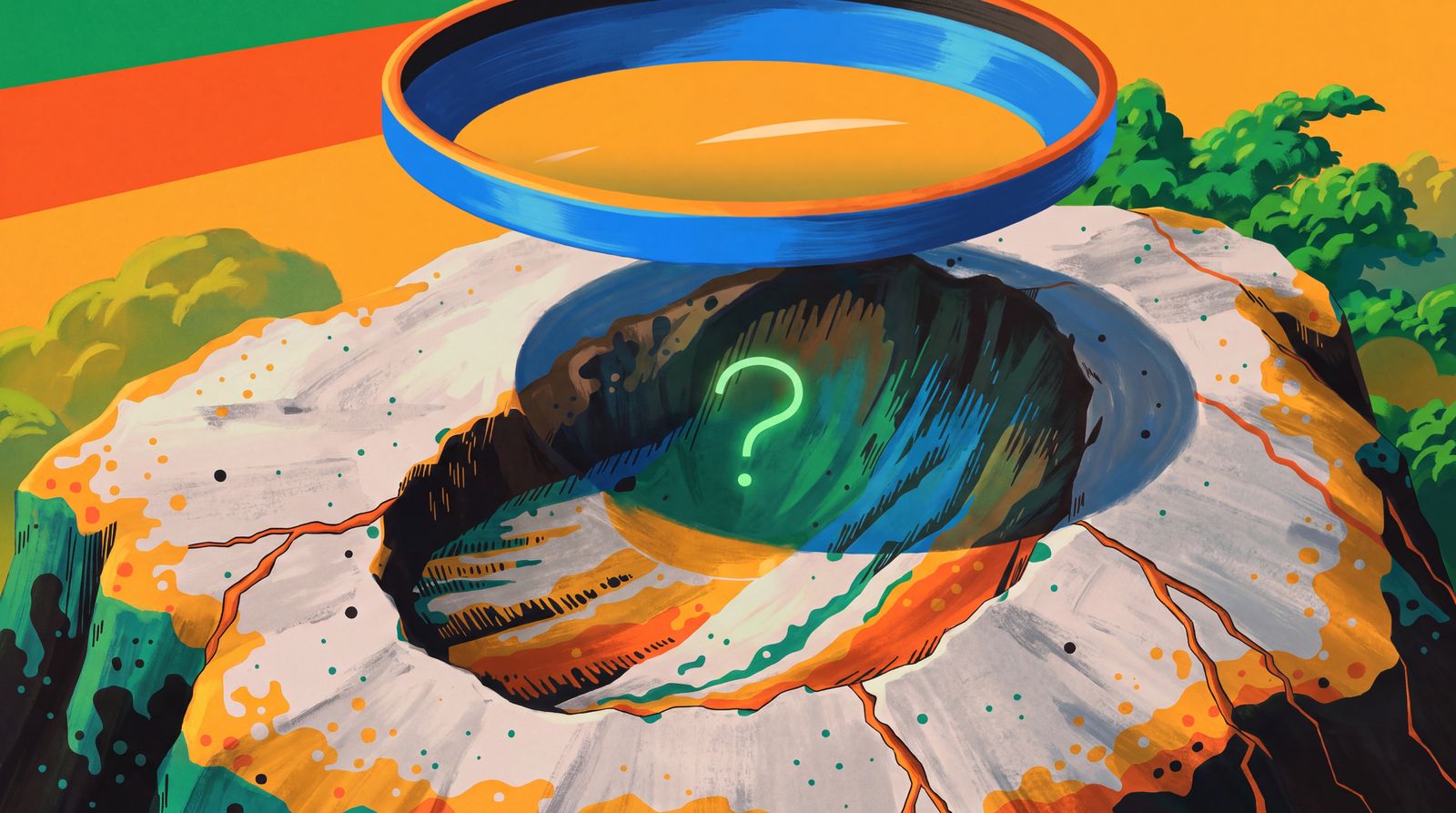
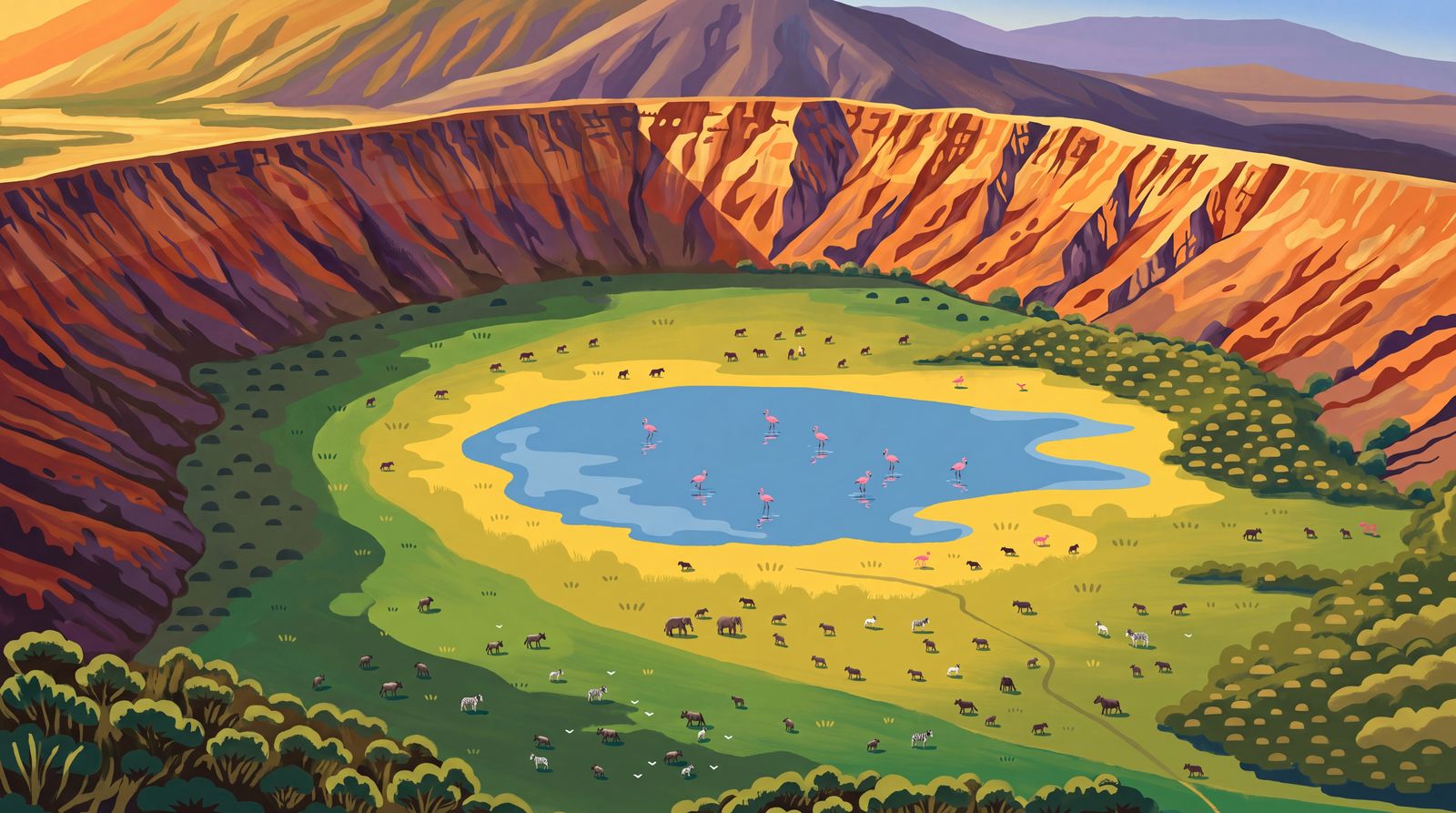
And just beside it lies the Ngorongoro Crater, the largest intact volcanic caldera in the world, so rich with wildlife that people call it a natural Garden of Eden.

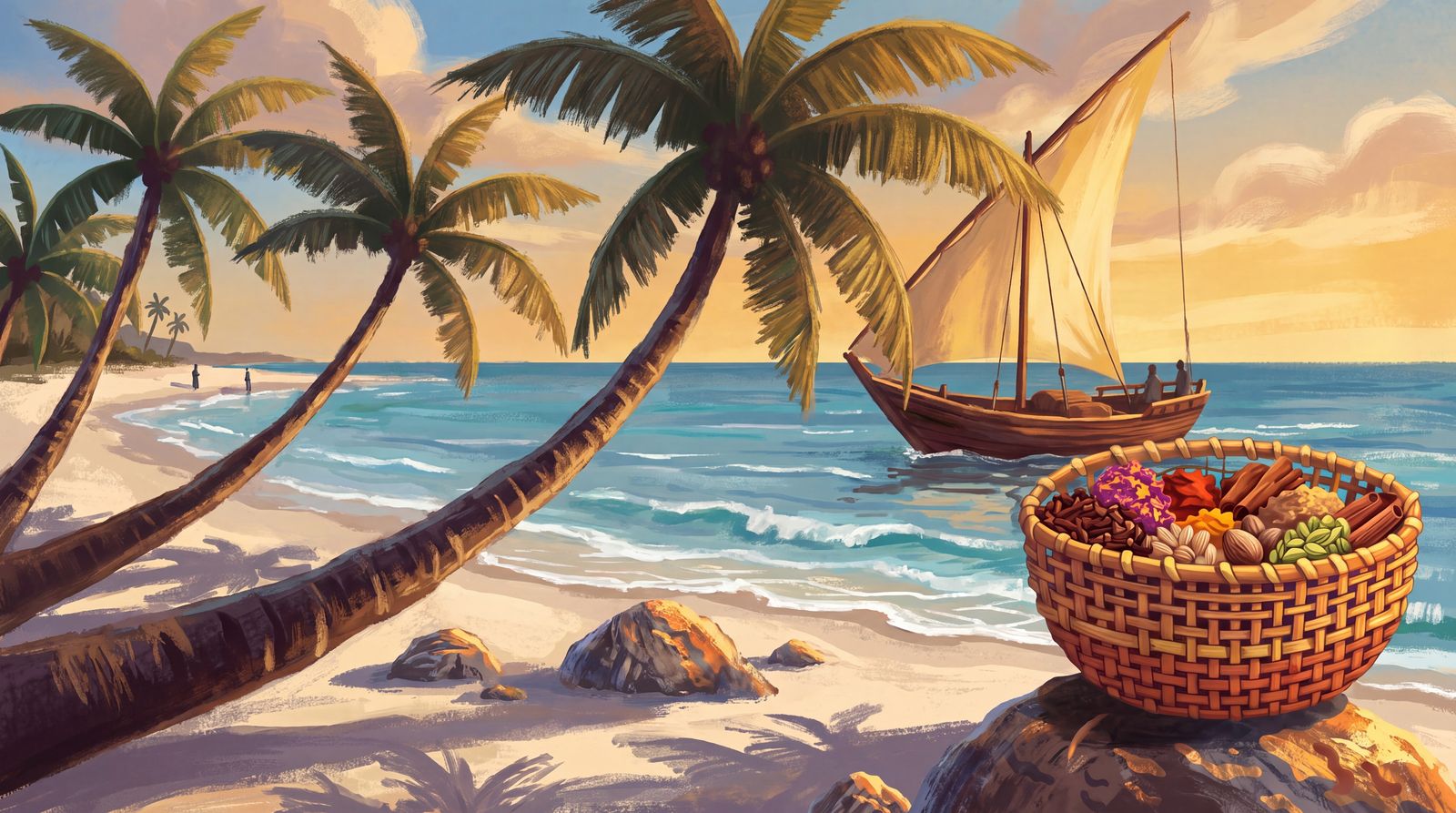
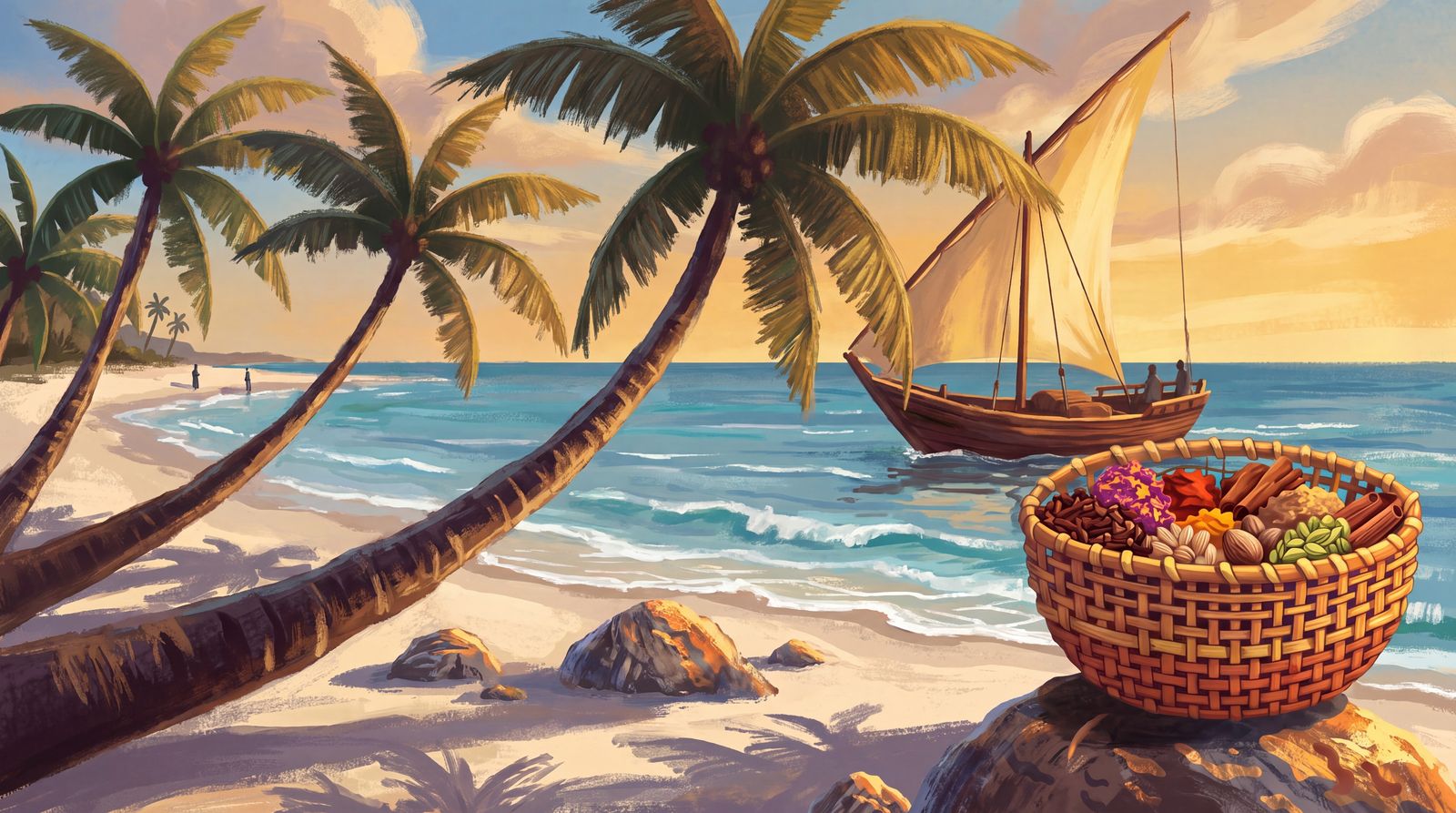
Off the coast floats Zanzibar, spice islands of white sand and old stone streets, where the smell of cloves still hangs in the air.

And where, in 1946, a boy named Farrokh Bulsara was born, who would grow up to become Freddie Mercury of Queen.

There's even pure trivia here. The shortest war ever recorded happened off Zanzibar in 1896. From first shot to surrender, it lasted about forty minutes.

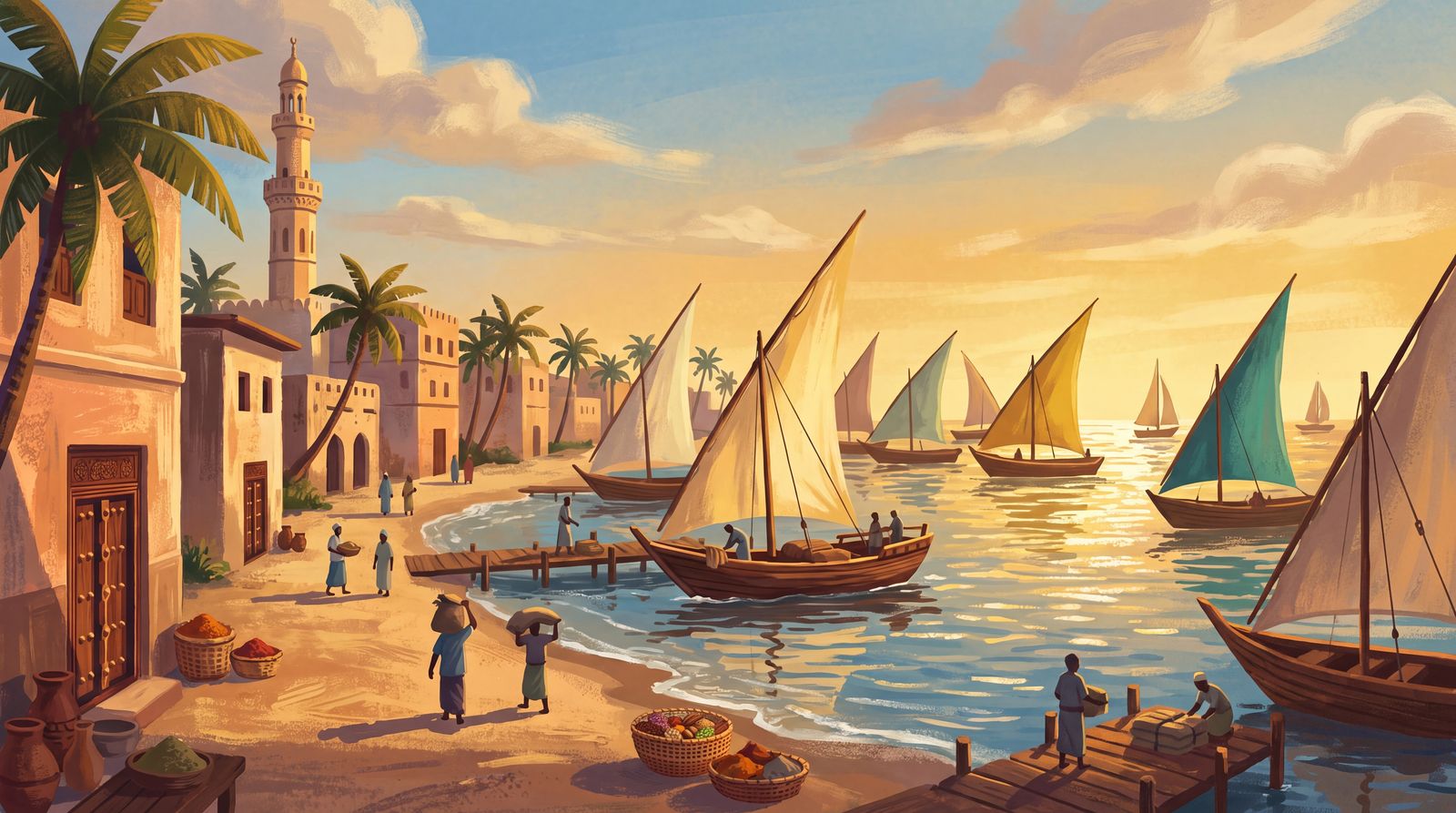
But the real treasure here is the people. Long ago, Bantu-speaking farmers settled this land, and along the coast they met traders who sailed the Indian Ocean from Arabia, Persia, and India. Out of that meeting, a whole new culture was born, and we still call it Swahili.

One. The language. Tanzanians speak Swahili, a language with over a hundred million speakers. Safari means journey. Hakuna matata really does mean no worries.

Two. The peace. Tanzania is home to more than a hundred and twenty ethnic groups, yet its first president, Julius Nyerere, bound them into one people, one nation, held together by a single shared language.

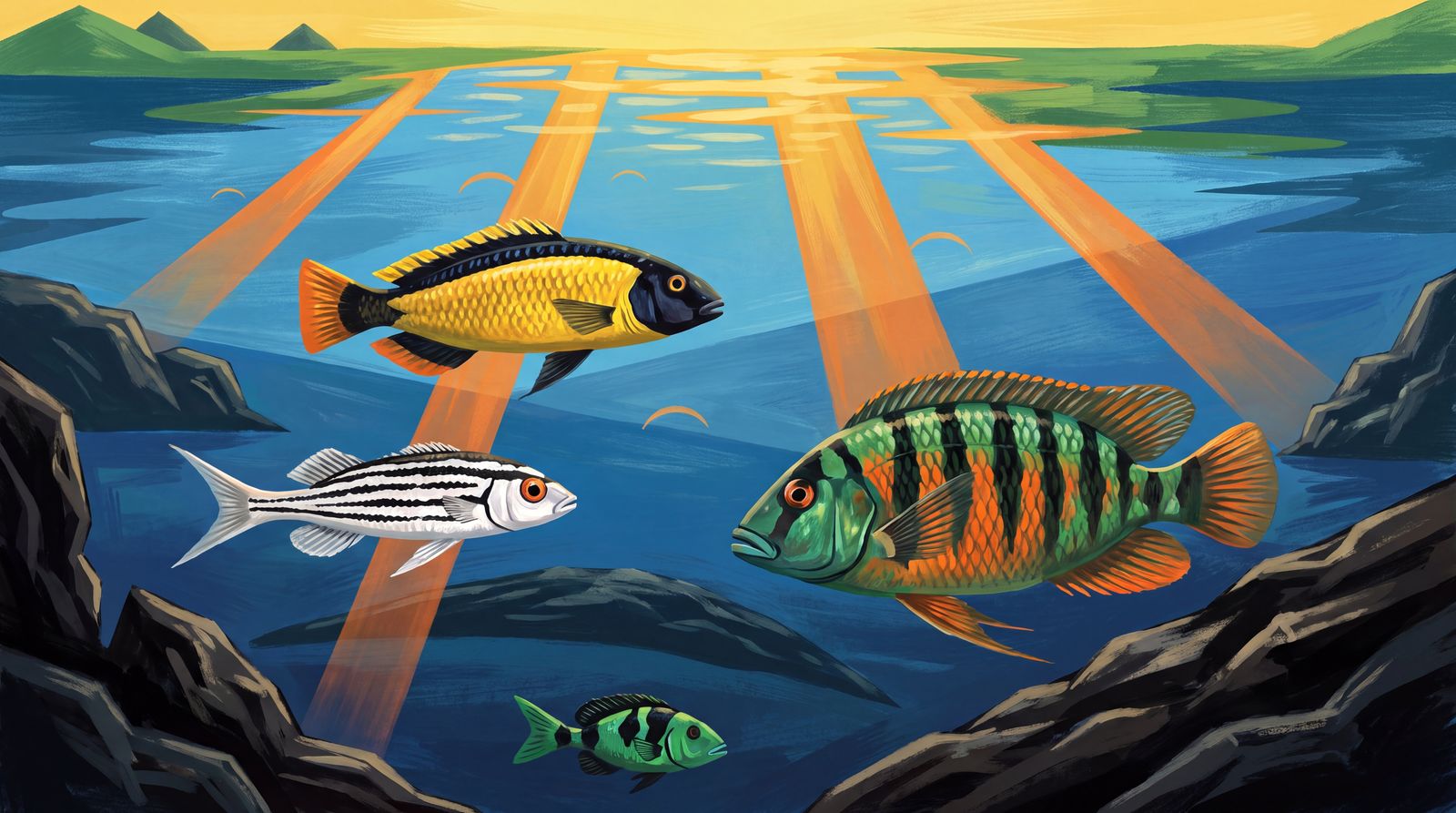
Three. The deep water. Tanzania's western edge touches Lake Tanganyika, the second deepest lake in the world and one of the oldest, holding fish found nowhere else on Earth.

A cradle of humankind. A roof over a continent. A river of animals, and a lake older than memory, all inside one country most people couldn't place on a map an hour ago.

So here's my question. Would you climb the mountain, walk the Serengeti, or stand in the gorge where our story began? Tell me in the comments. I read them.

There are a hundred more stories like it waiting. Those footprints have been here for three and a half million years. The least we can do is remember whose they were.

That is where our story starts. But it is only the beginning.

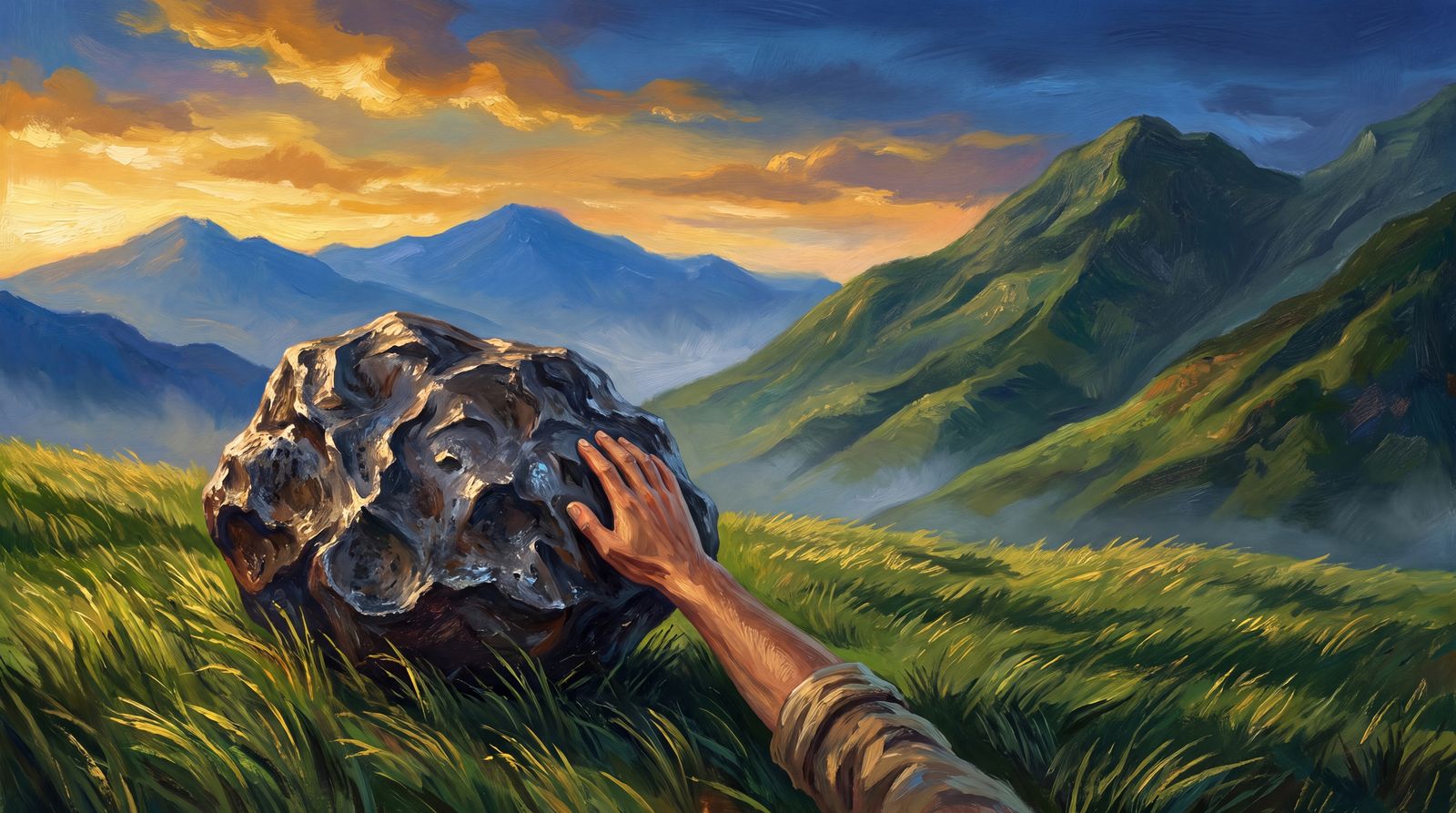
Every week, we will bring you a new Tanzanian story. The meteorite you can touch.

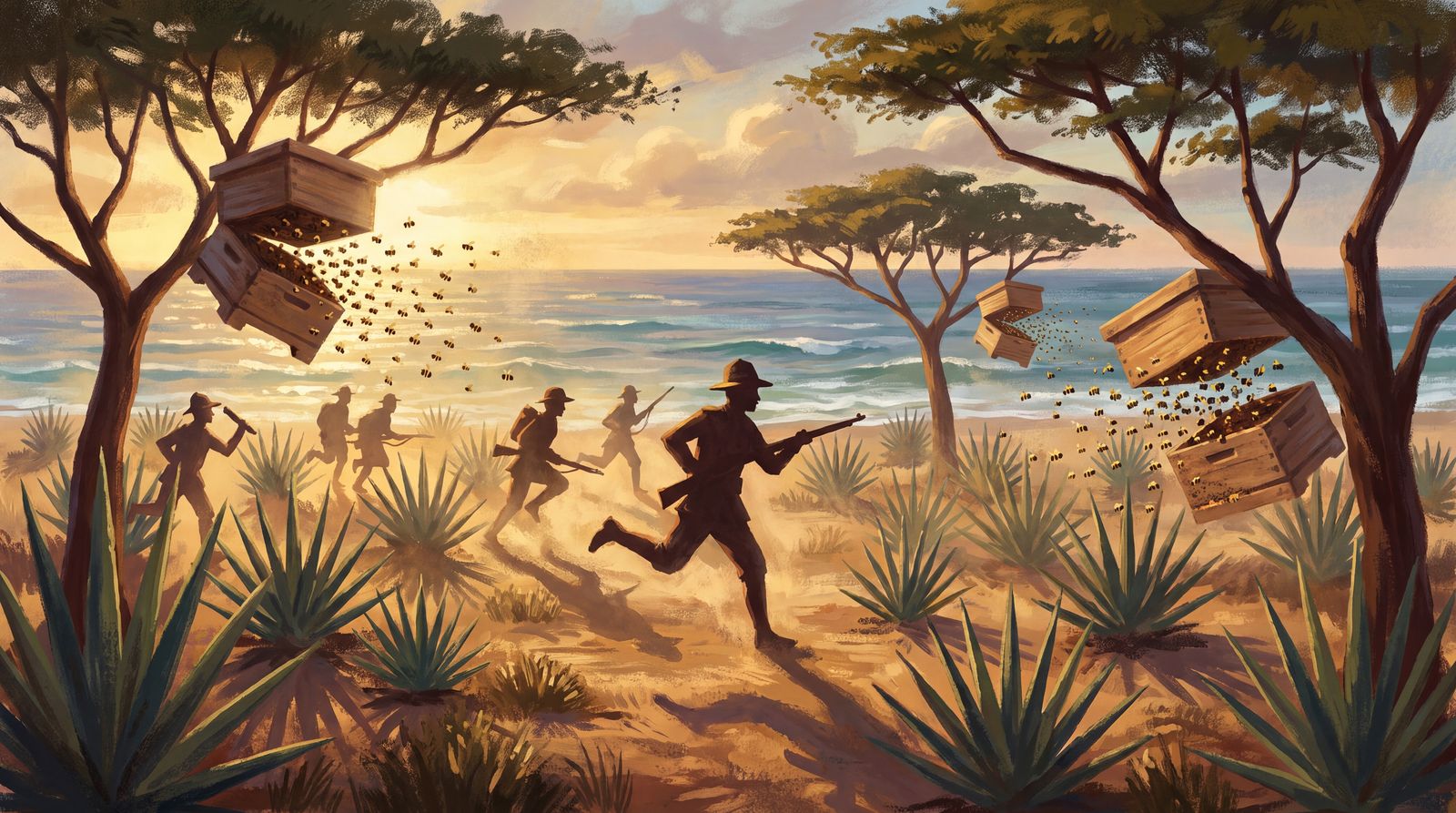
The battle fought with bees.

The boy from Zanzibar who became the voice of Queen.

If you want to see the world the way it really is, one true story at a time, subscribe, and tune in next week.

This is Dunia Docs. Karibu. Welcome.
Three and a half million years ago, someone walked across this ground. And their footprints are still here. This is the country where every human story begins. This is Dunia Docs. The real places behind the world's greatest stories. We are starting in Tanzania. We will climb the vanishing snows of Kilimanjaro. We will cross the Serengeti, with two million animals on the move. We will sail to the spice island of Zanzibar. And we will stand in the ruins of an empire that once traded gold with China. One country. A dozen stories you will not believe are all in the same place. So here is the question. Where on Earth does every human story begin? There is one place on Earth that every single human being alive can call home. The home of our entire species. And most people can't even find it on a map. It sits on the eastern edge of Africa, split by one of the great rift valleys of the world. Scientists often call this region a cradle of humankind. So why doesn't anyone talk about it? This is Tanzania. The ground where some of our earliest ancestors stood up and walked. But to get there, we have to start with a set of footprints. Footprints that should not exist. In 1978, a team led by Mary Leakey was working in a dusty stretch of northern Tanzania called Laetoli, and they found something that stopped them cold. Footprints, pressed into ancient ash. A trail of them, walking side by side, as if a small family had strolled across the land one morning. Now here's the question that haunts scientists. How old do you think those footprints are? A thousand years? Ten thousand? Try three point six million. Stay with me. If you love the questions textbooks never answer, tap subscribe. It's free, and it's the only way these stories keep coming. Okay. Back to the footprints. For a long time, scientists believed our ancestors grew big brains first, and only later learned to walk upright. But these prints broke that idea in half. Whoever left them walked perfectly upright, millions of years before our brains grew large. Walking came first. The mind came later. And that wasn't even the biggest discovery in this corner of Tanzania. Just down the road sits a steep ravine called Olduvai Gorge. Scientists pulled fossil after fossil from its walls, and it earned a famous nickname: the cradle of humankind. Layer by layer, the gorge holds almost two million years of human history stacked like pages in a book. Walk down its slope, and you walk backward through time. So let that sink in. The story of you, your hands, your upright back, your earliest ancestors, it runs straight through Tanzania. But here's what surprises people most. Tanzania might be the most spectacular country most people have never really looked at. Start with the roof of Africa. Mount Kilimanjaro rises out of flat plains all on its own, the tallest free-standing mountain on the planet, its snowy glaciers now slowly shrinking. Then there's the Serengeti. More than a million wildebeest thunder across these plains every year, the largest land migration left on Earth, a living river of hooves. And just beside it lies the Ngorongoro Crater, the largest intact volcanic caldera in the world, so rich with wildlife that people call it a natural Garden of Eden. Off the coast floats Zanzibar, spice islands of white sand and old stone streets, where the smell of cloves still hangs in the air. And where, in 1946, a boy named Farrokh Bulsara was born, who would grow up to become Freddie Mercury of Queen. There's even pure trivia here. The shortest war ever recorded happened off Zanzibar in 1896. From first shot to surrender, it lasted about forty minutes. But the real treasure here is the people. Long ago, Bantu-speaking farmers settled this land, and along the coast they met traders who sailed the Indian Ocean from Arabia, Persia, and India. Out of that meeting, a whole new culture was born, and we still call it Swahili. One. The language. Tanzanians speak Swahili, a language with over a hundred million speakers. Safari means journey. Hakuna matata really does mean no worries. Two. The peace. Tanzania is home to more than a hundred and twenty ethnic groups, yet its first president, Julius Nyerere, bound them into one people, one nation, held together by a single shared language. Three. The deep water. Tanzania's western edge touches Lake Tanganyika, the second deepest lake in the world and one of the oldest, holding fish found nowhere else on Earth. A cradle of humankind. A roof over a continent. A river of animals, and a lake older than memory, all inside one country most people couldn't place on a map an hour ago. So here's my question. Would you climb the mountain, walk the Serengeti, or stand in the gorge where our story began? Tell me in the comments. I read them. There are a hundred more stories like it waiting. Those footprints have been here for three and a half million years. The least we can do is remember whose they were. That is where our story starts. But it is only the beginning. Every week, we will bring you a new Tanzanian story. The meteorite you can touch. The battle fought with bees. The boy from Zanzibar who became the voice of Queen. If you want to see the world the way it really is, one true story at a time, subscribe, and tune in next week. This is Dunia Docs. Karibu. Welcome.