
Where Humanity Begins · Episode 2 of 5 · 4:21
The Oldest Footsteps on Earth
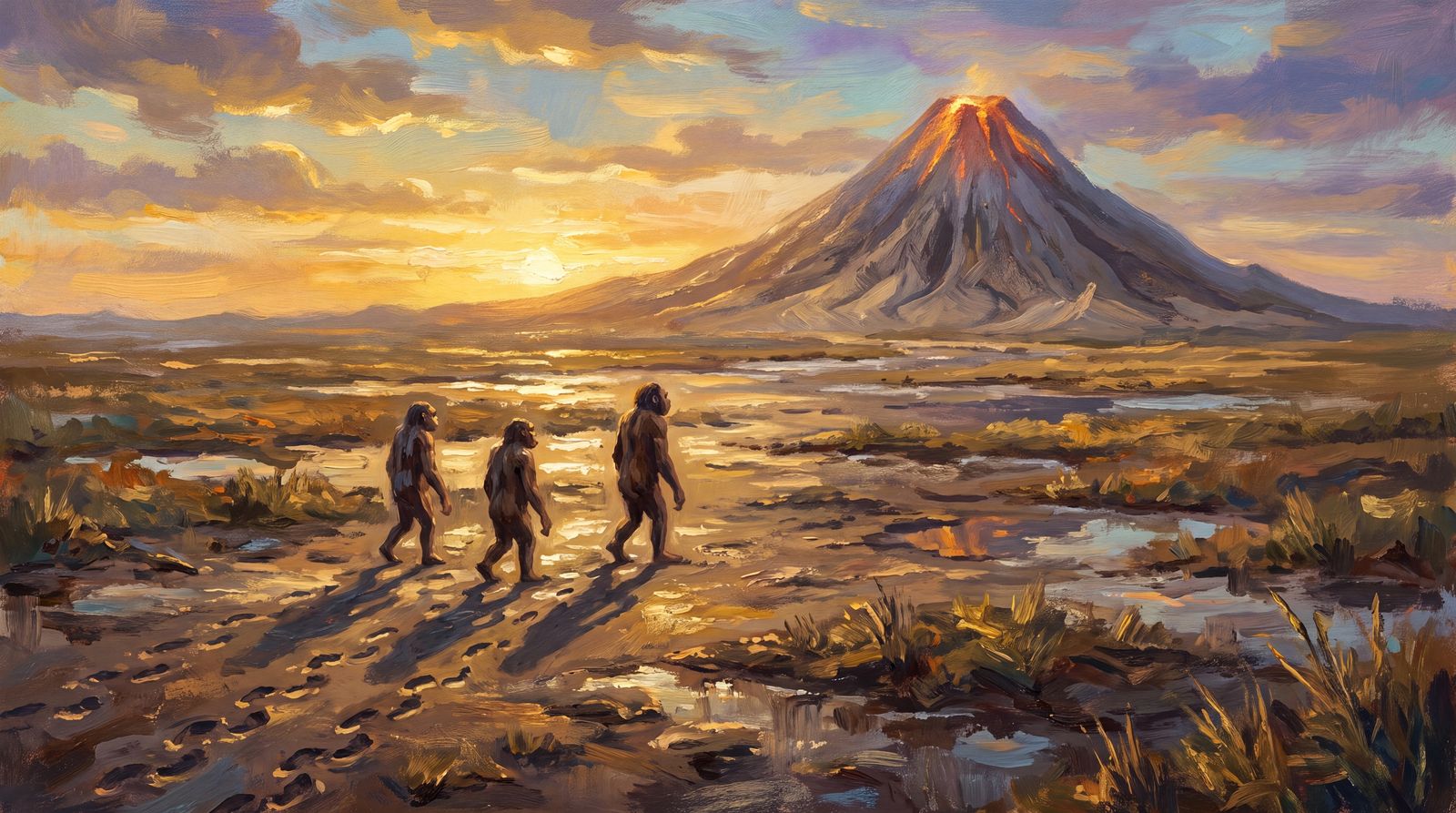
Around 3.6 million years ago, three members of our family walked across a plain of wet volcanic ash in what is now northern Tanzania — and their footprints are still there. The Laetoli trail is the oldest clear evidence of our family walking upright, and it overturned a long-held assumption: standing up came first, long before big brains, stone tools, or fire. A deep dive from our Tanzania story.
 Watch on YouTube
The episode, frame by frame
30 frames, one painted frame per line.



The Oldest Footsteps on Earth
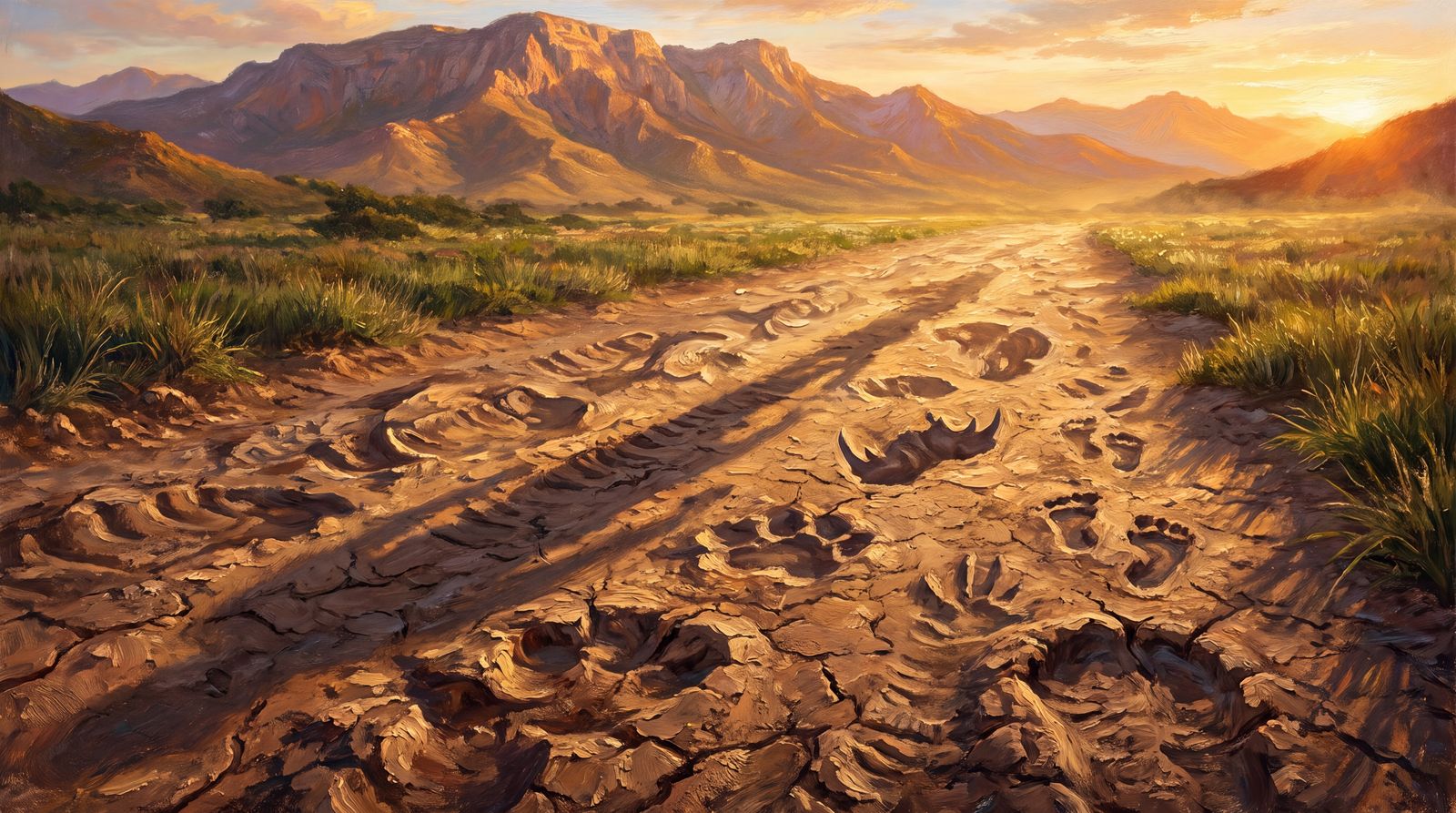
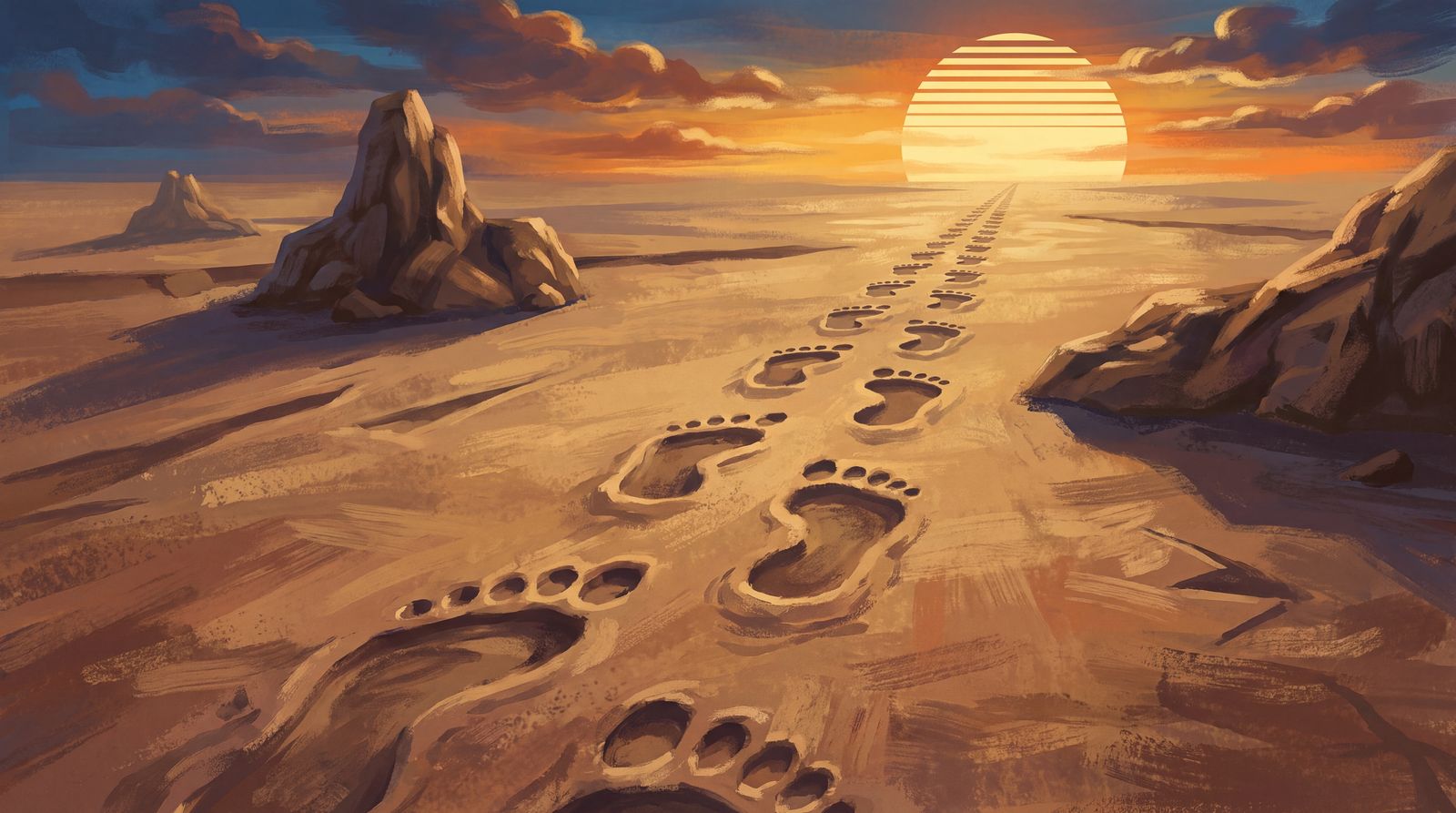
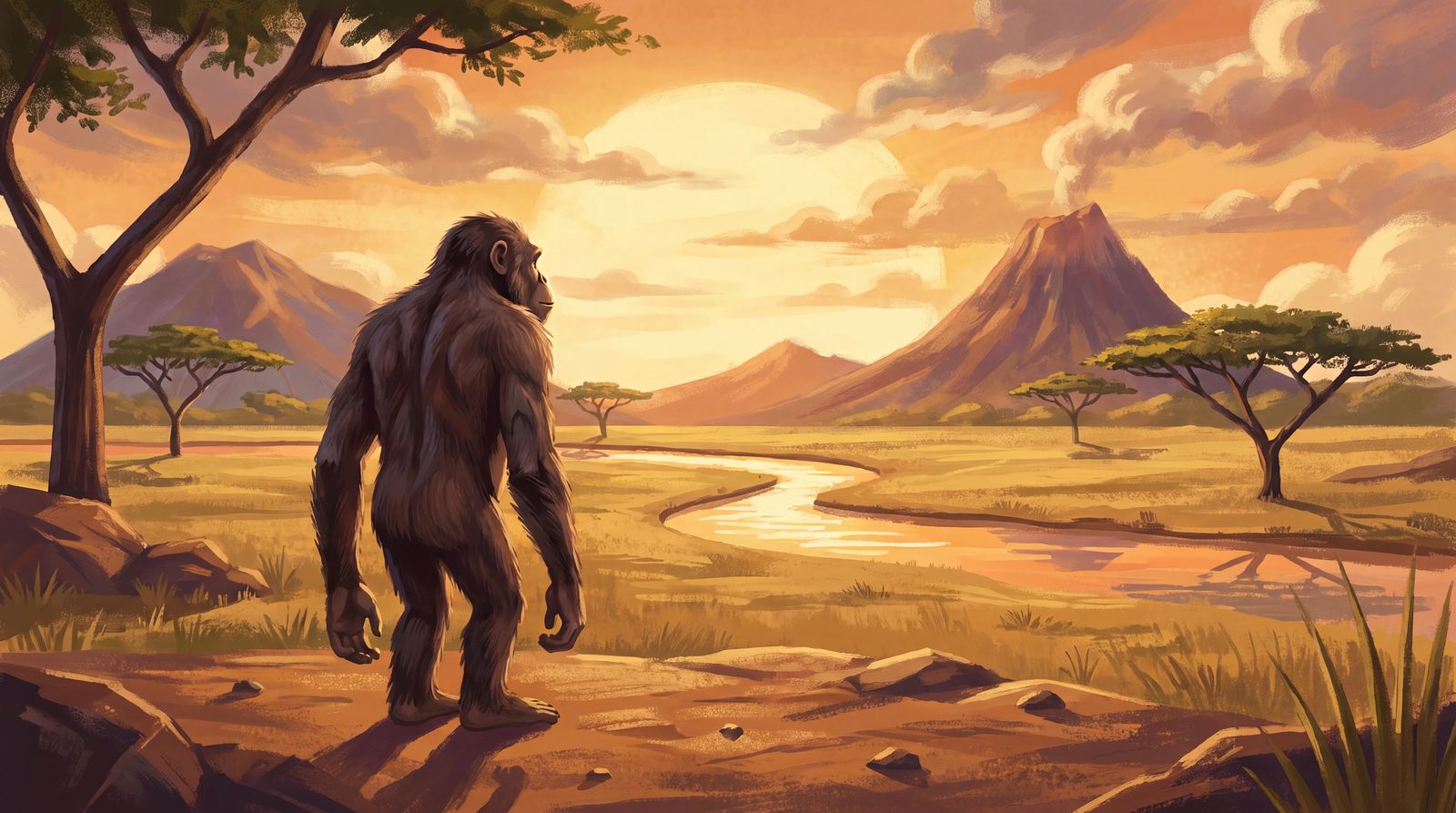
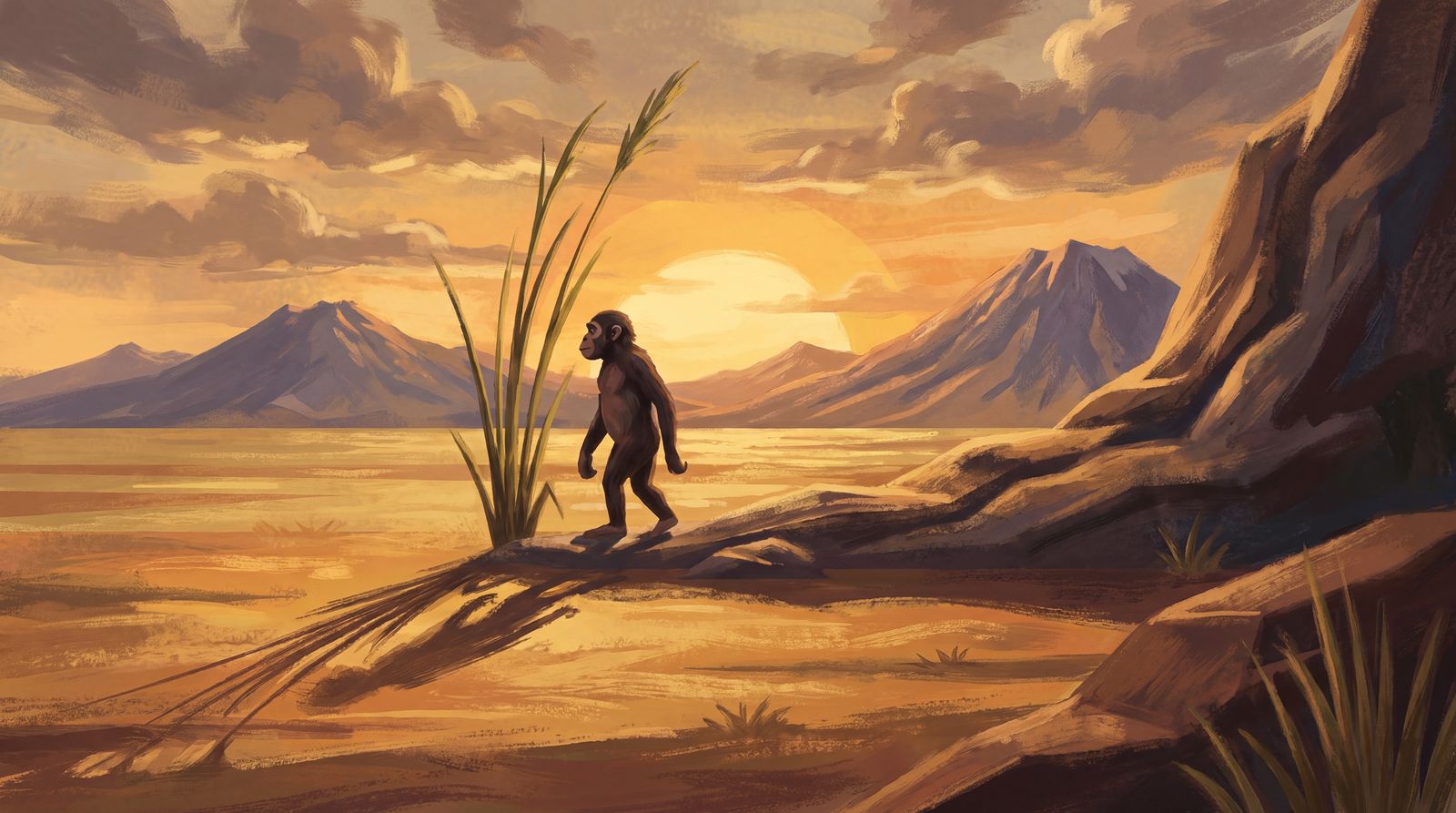
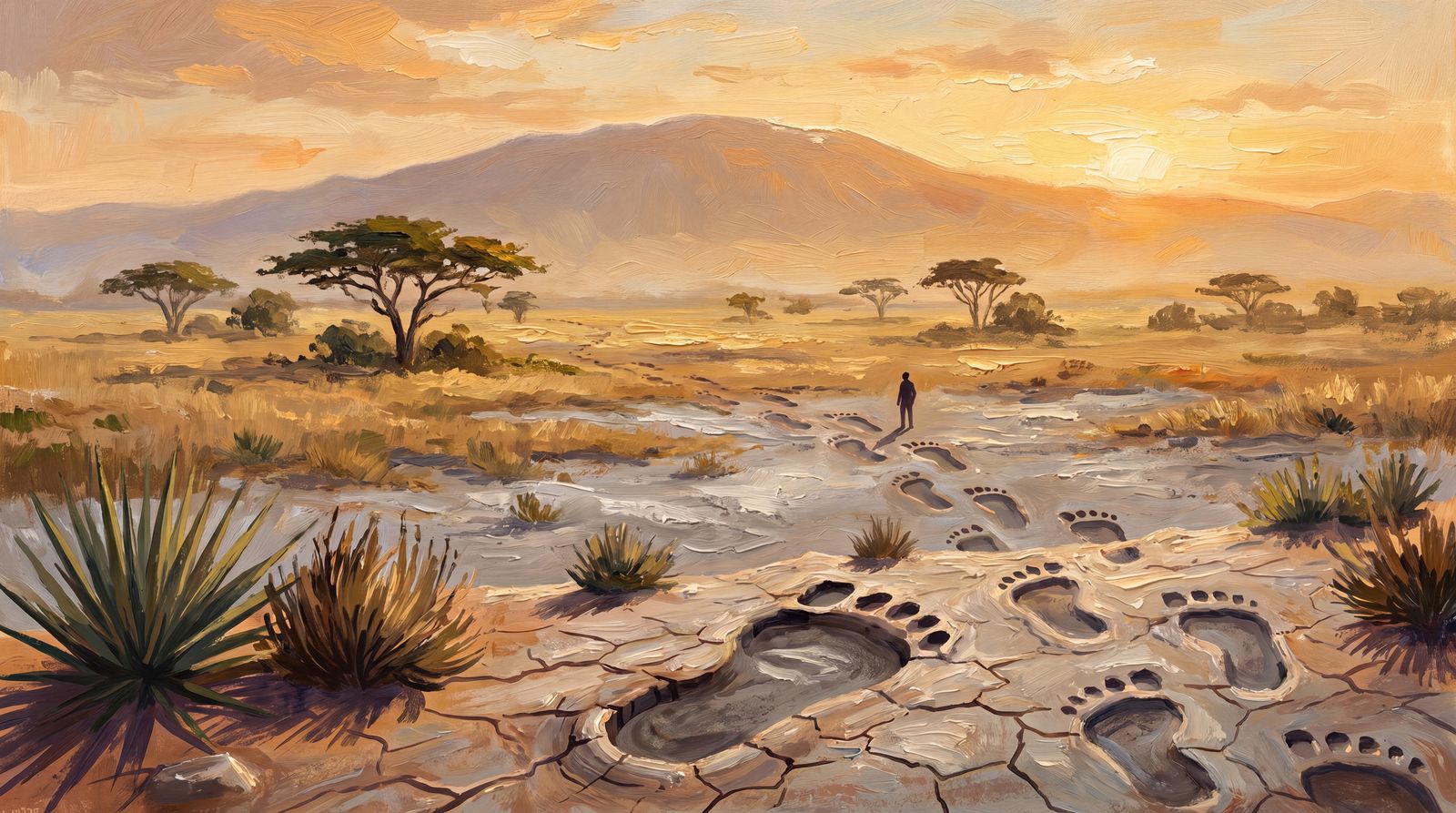
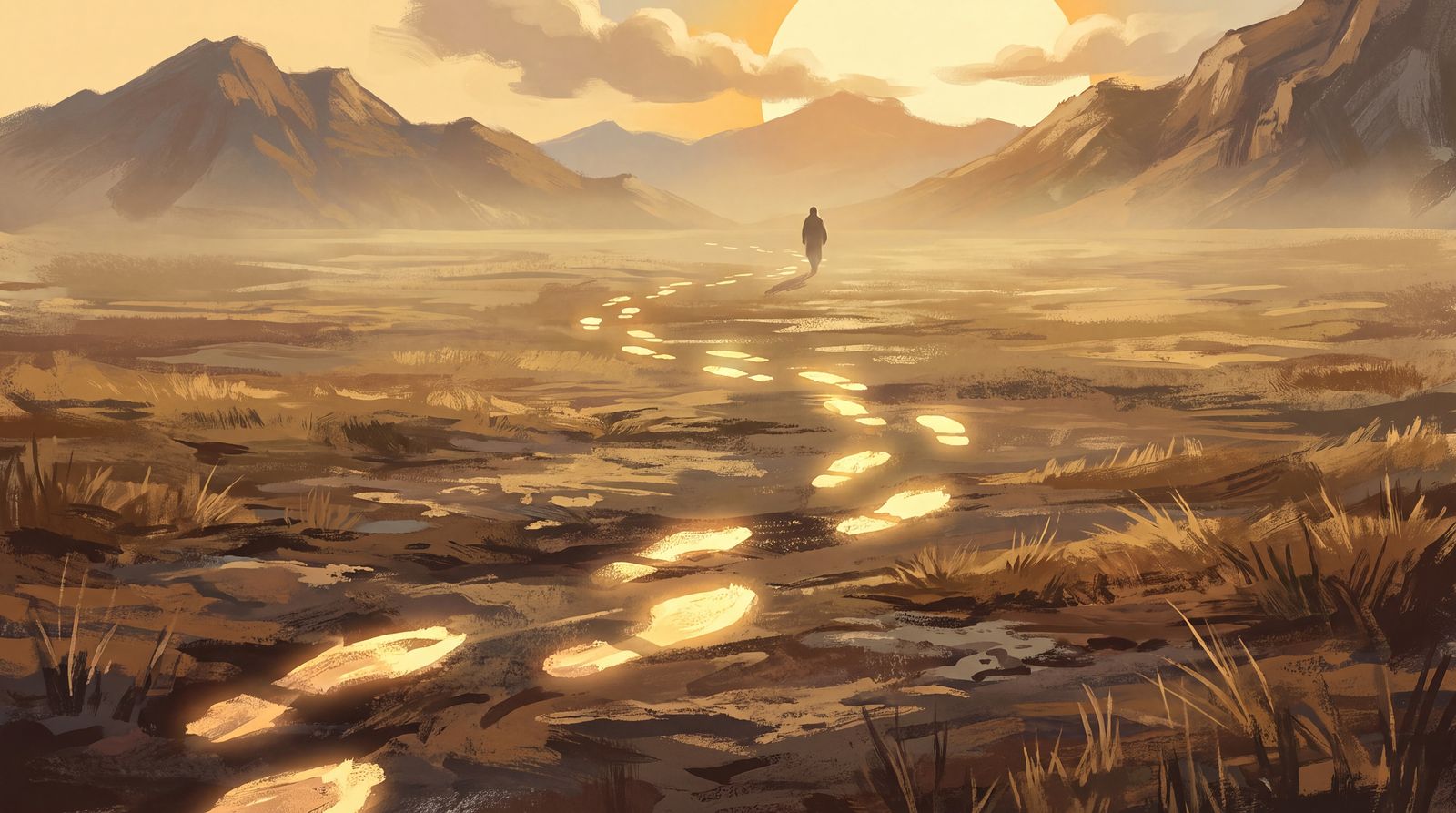
Around three and a half million years ago, three creatures walked across a plain of wet volcanic ash in what is now northern Tanzania. Their footprints are still there.

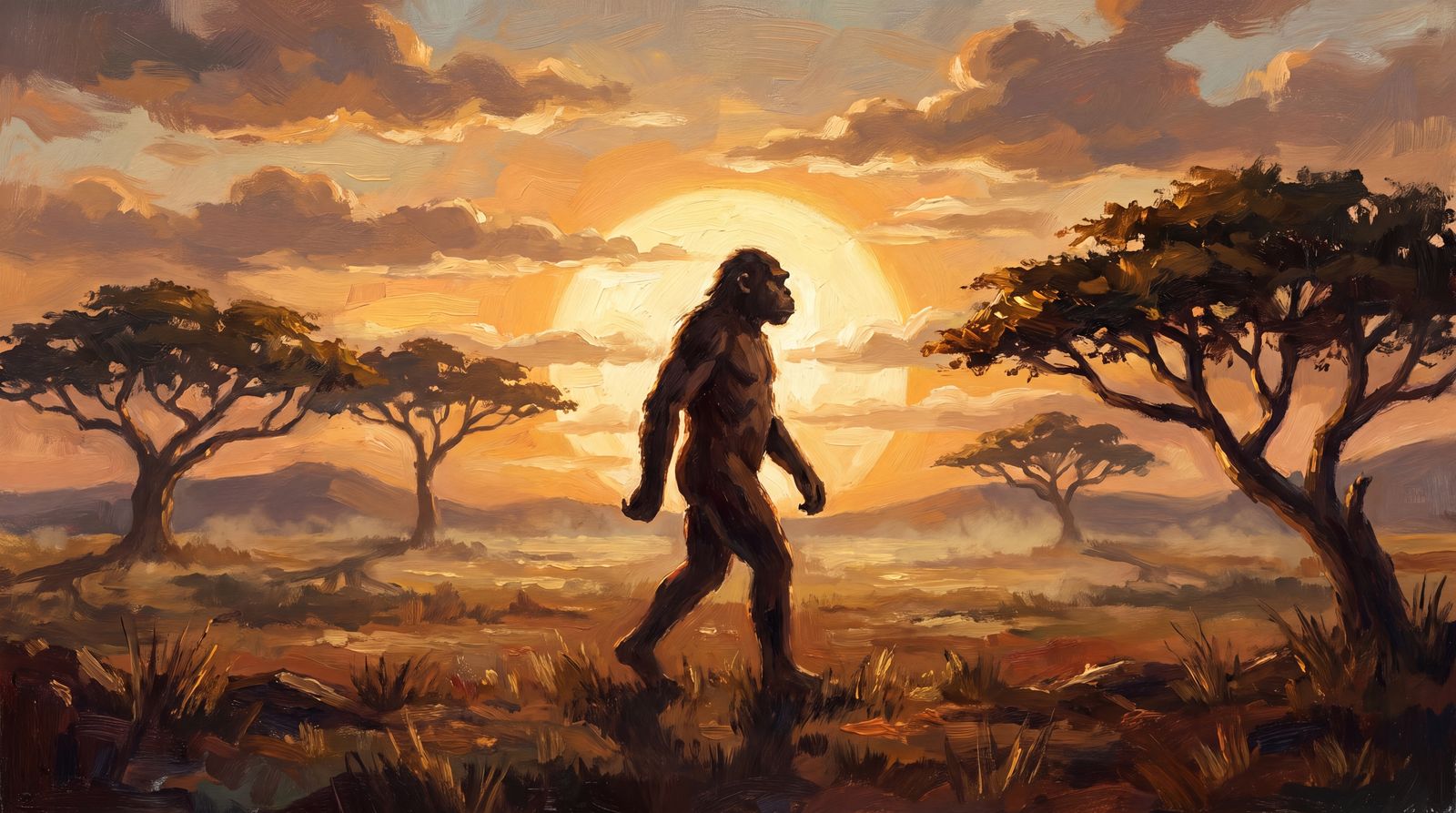
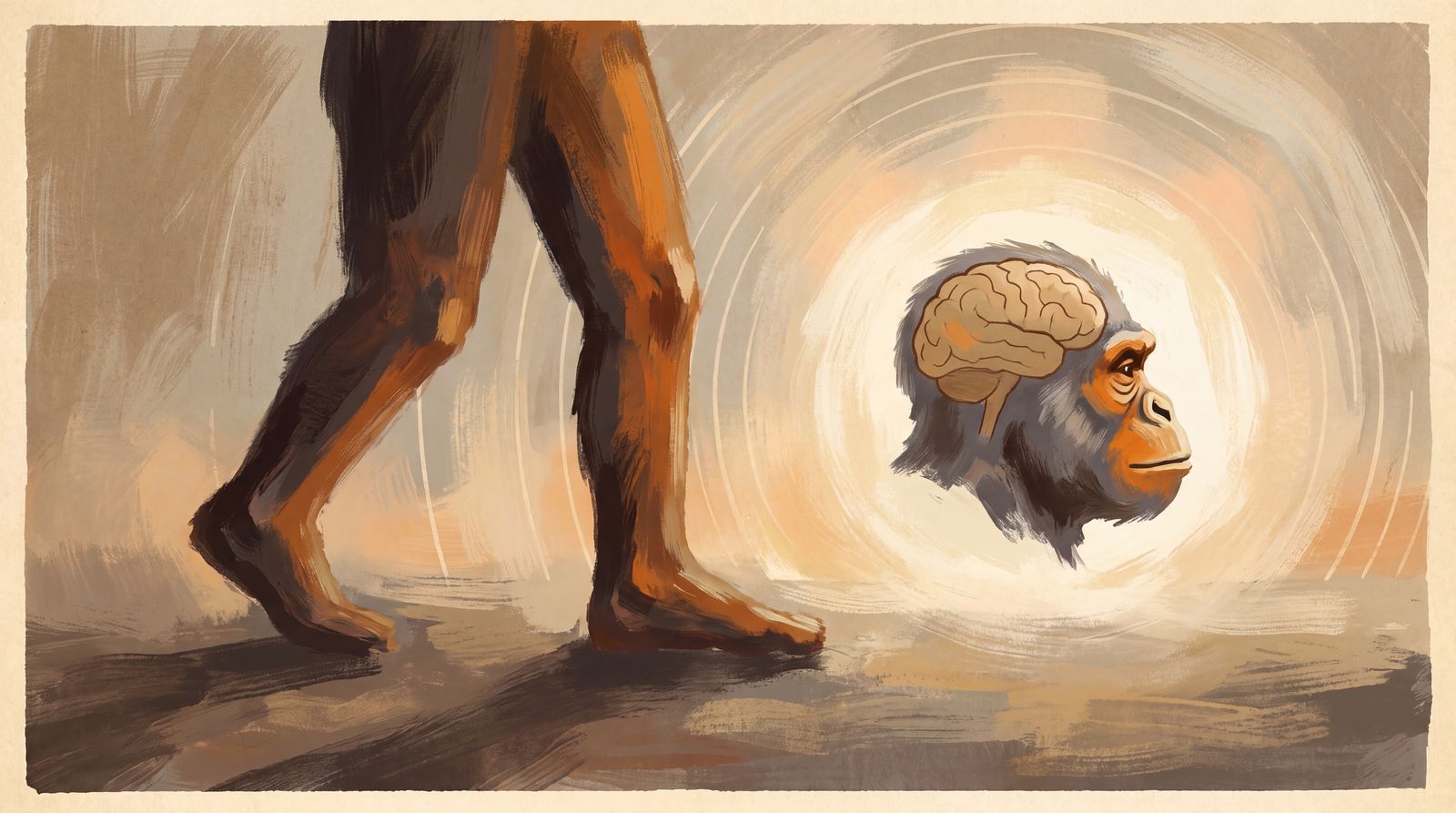
They were not human. Their brains were barely bigger than a chimpanzee's. But they walked upright, on two legs, just like you.

These are the oldest clear footprints of our family ever found. And they rewrote the story of how we became human.

This is Dunia Docs. The real places behind the world's greatest stories.

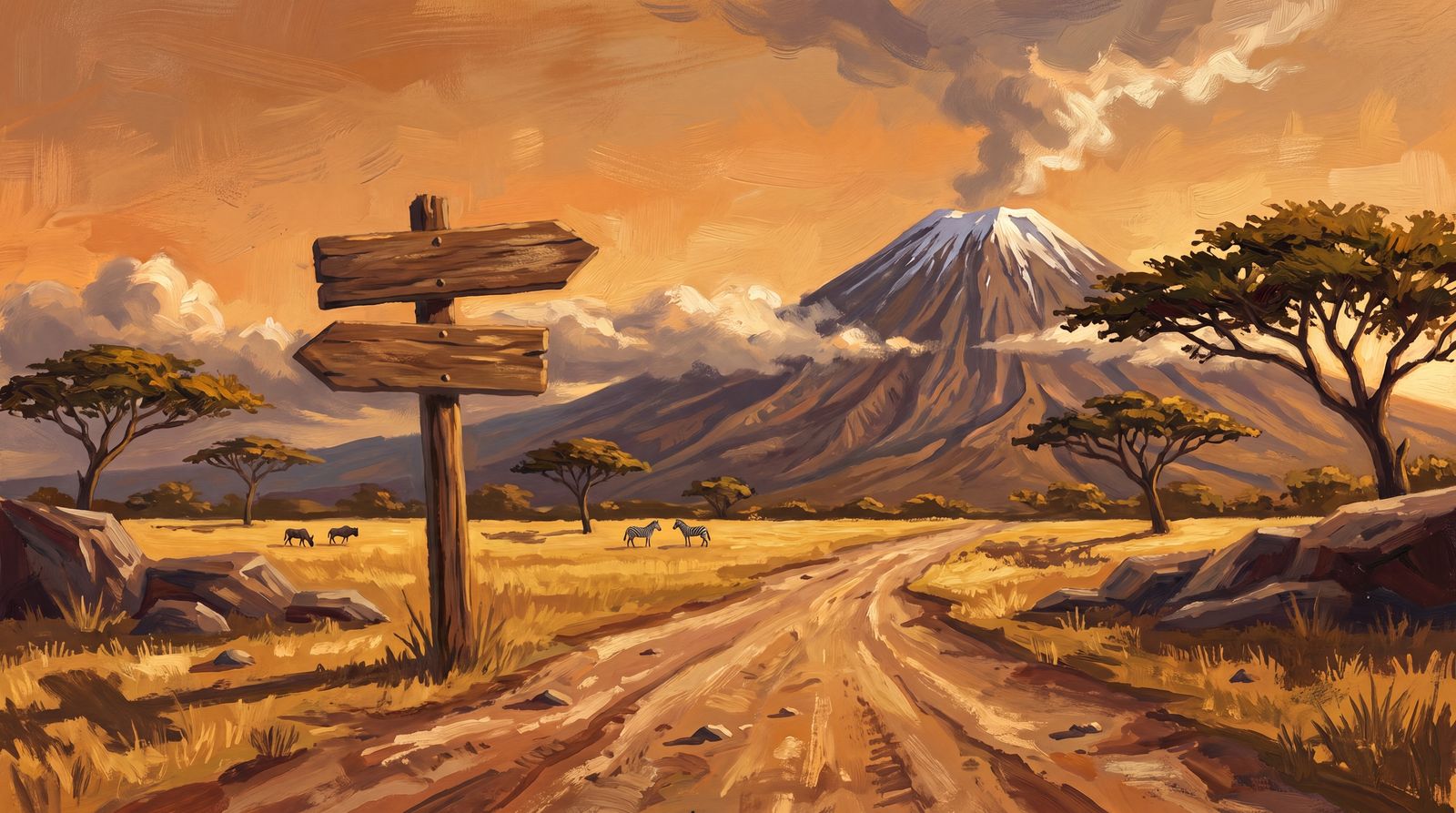
This is Laetoli, on the southern edge of the Serengeti.

A quiet, dusty place that holds one of the most precious fossils on Earth. Not a bone, but a walk.

So who left these prints? And why do they matter so much?

Stick with me. And if you love the deep story of where we came from, tap subscribe. It's free.

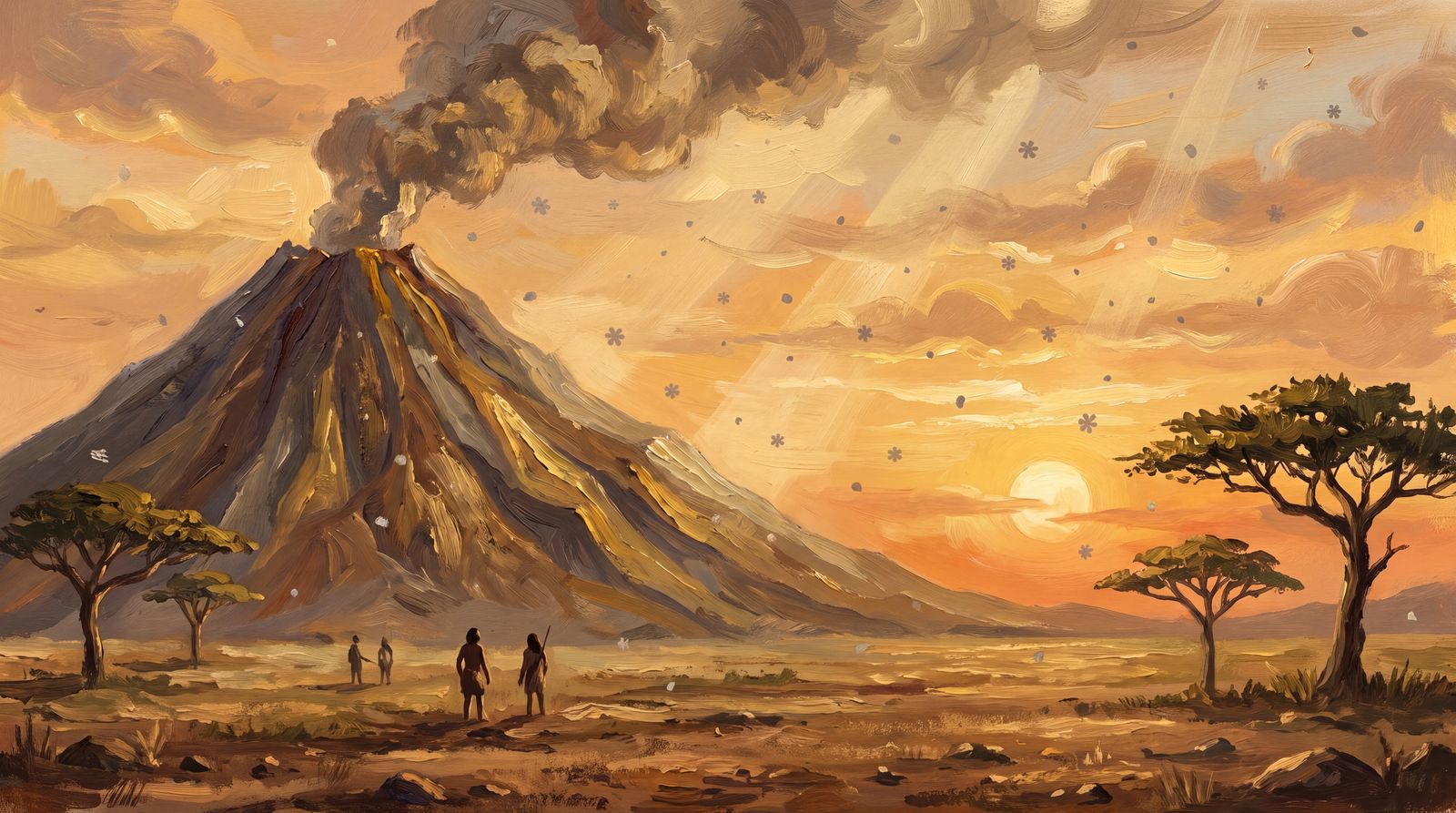
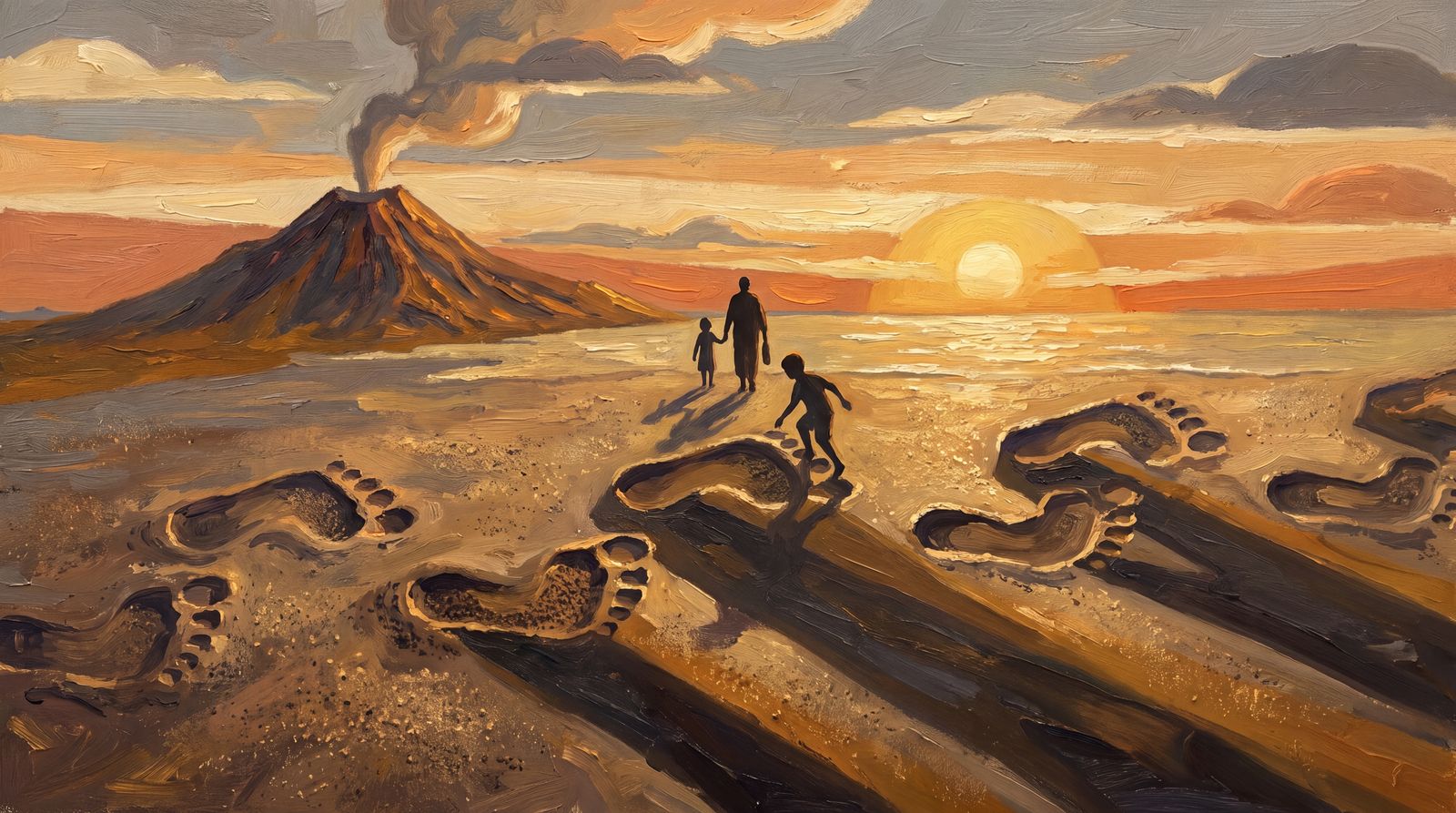
It began with a volcano. Ash from a nearby eruption dusted the plains, fine and powdery.

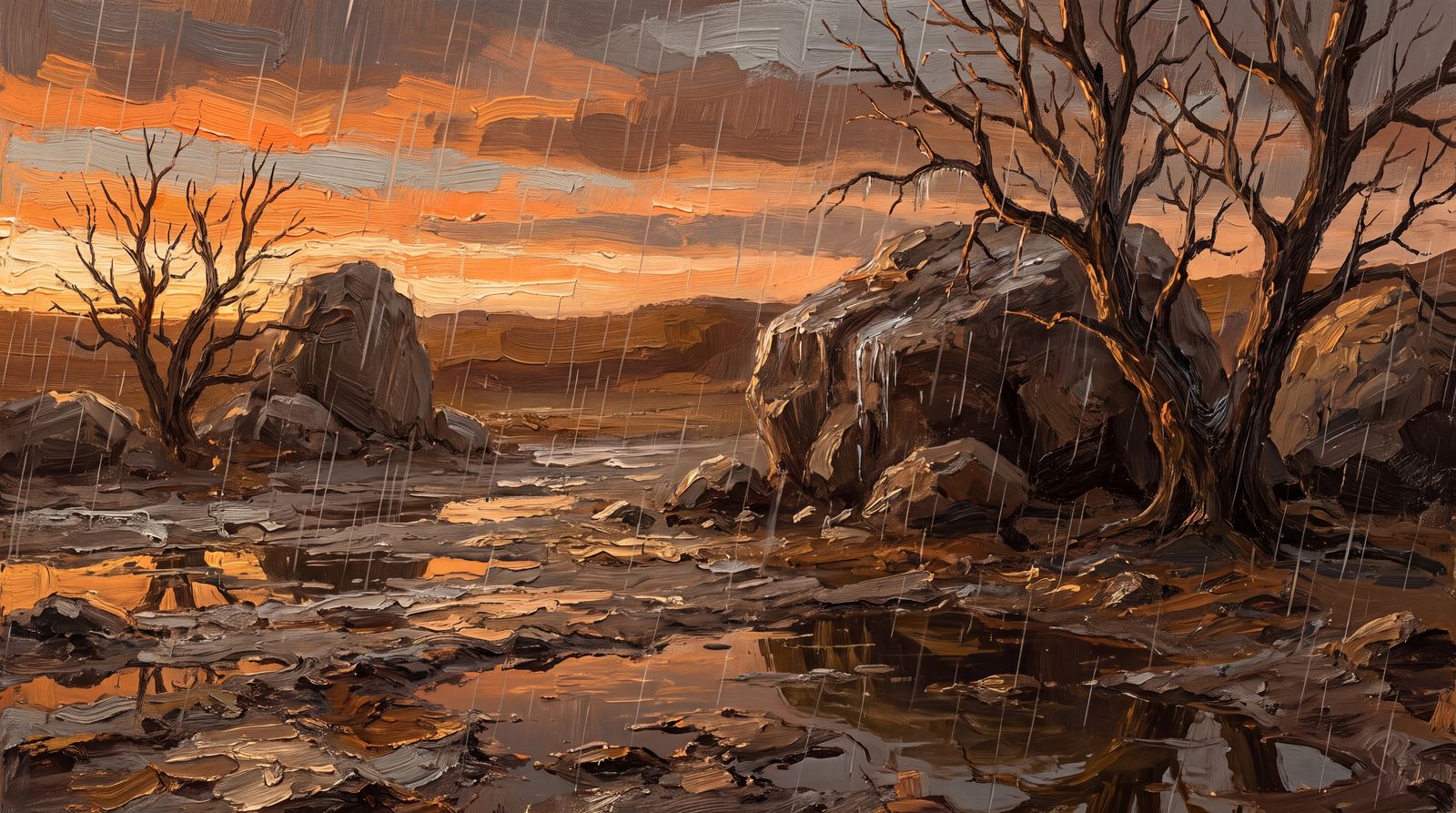
Then it rained, and the ash turned to a soft, wet paste, like fresh cement.

Animals walked across it and left their tracks. Birds, ancient elephants, rhinos, hares. And then, three of our own ancestors.

The sun baked the ash hard. More ash buried it. And there it waited, for three and a half million years.

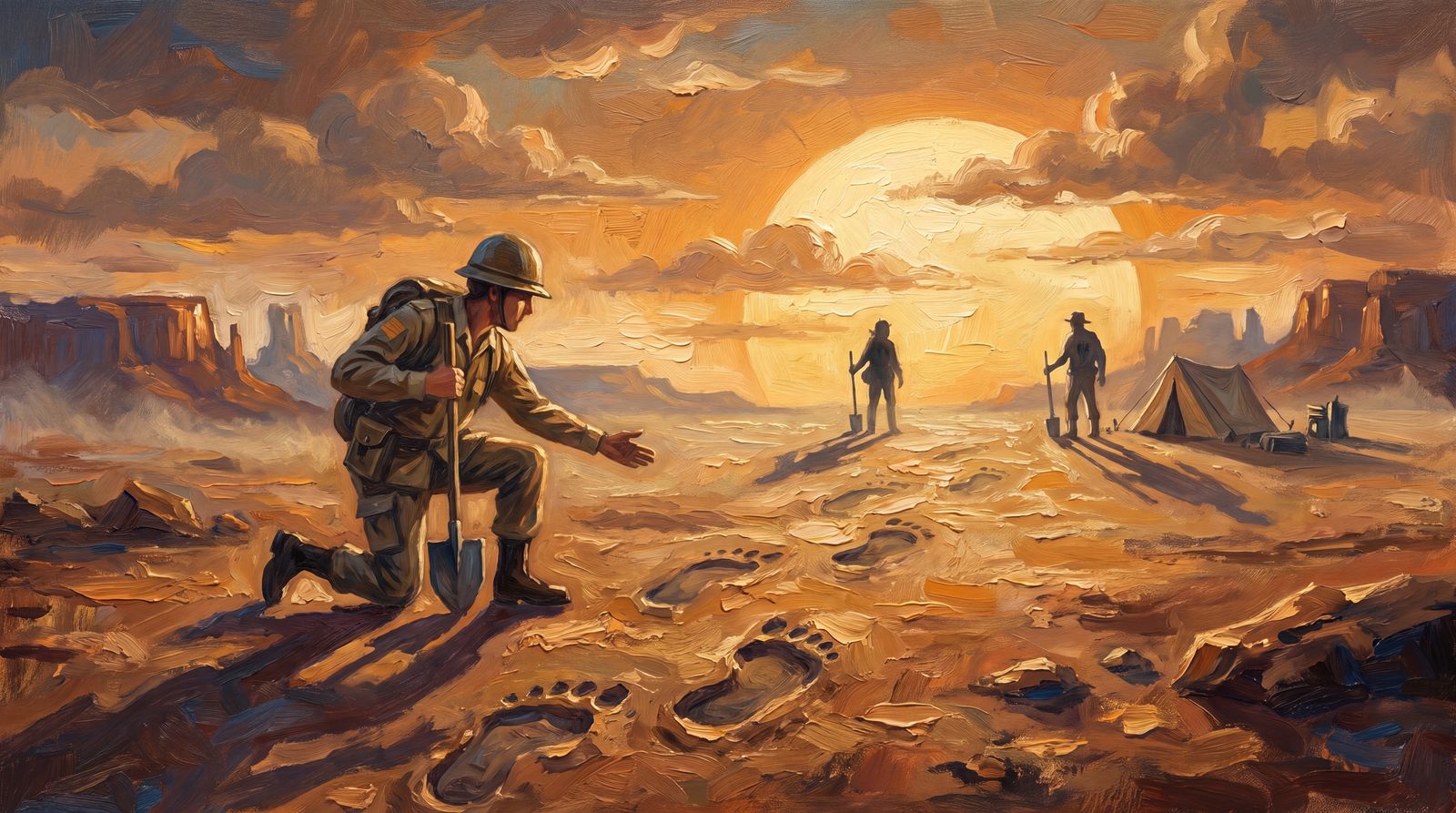
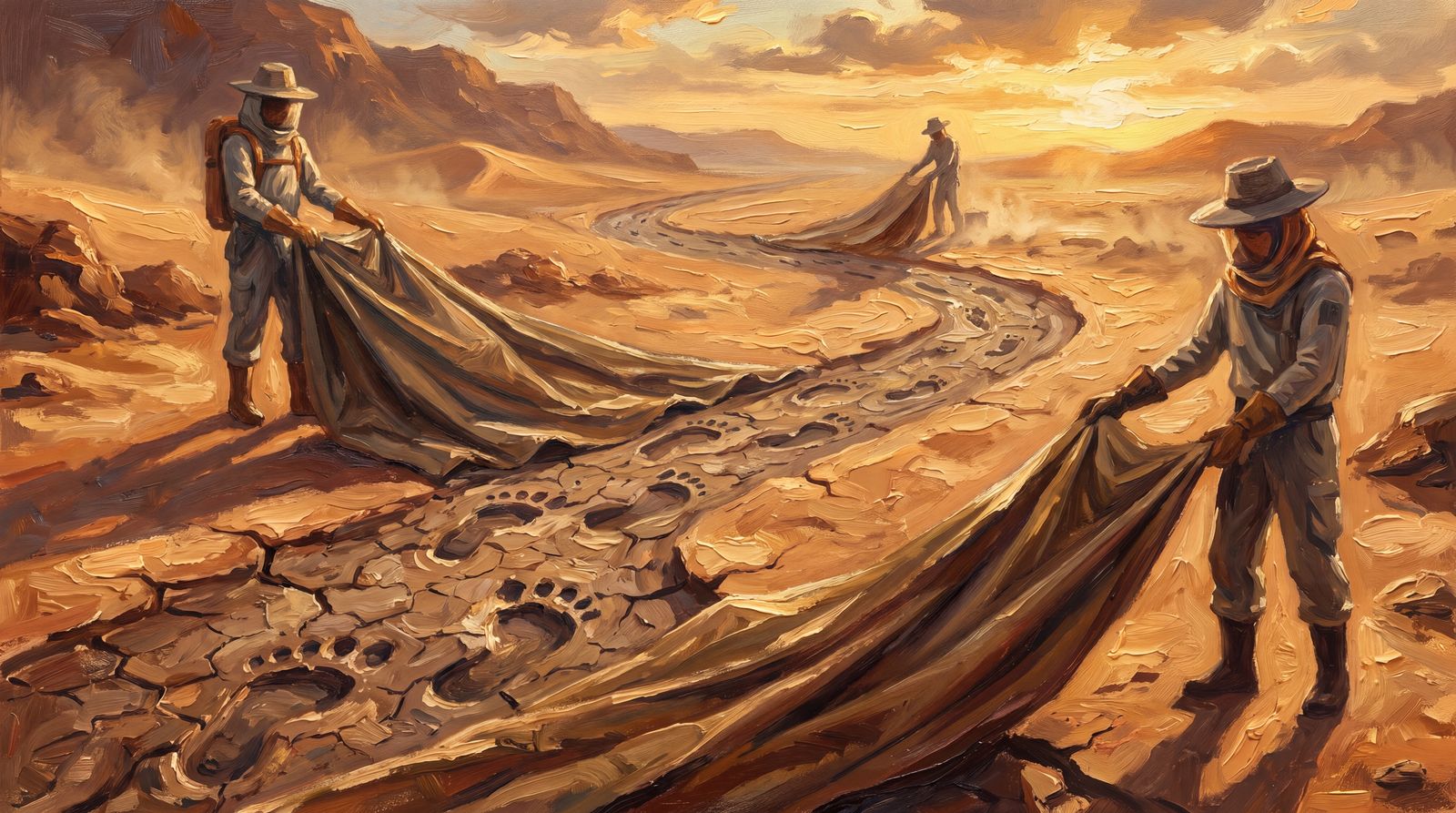
In 1978, a team led by the famous fossil-hunter Mary Leakey uncovered it. One of her colleagues literally stumbled onto the trail.

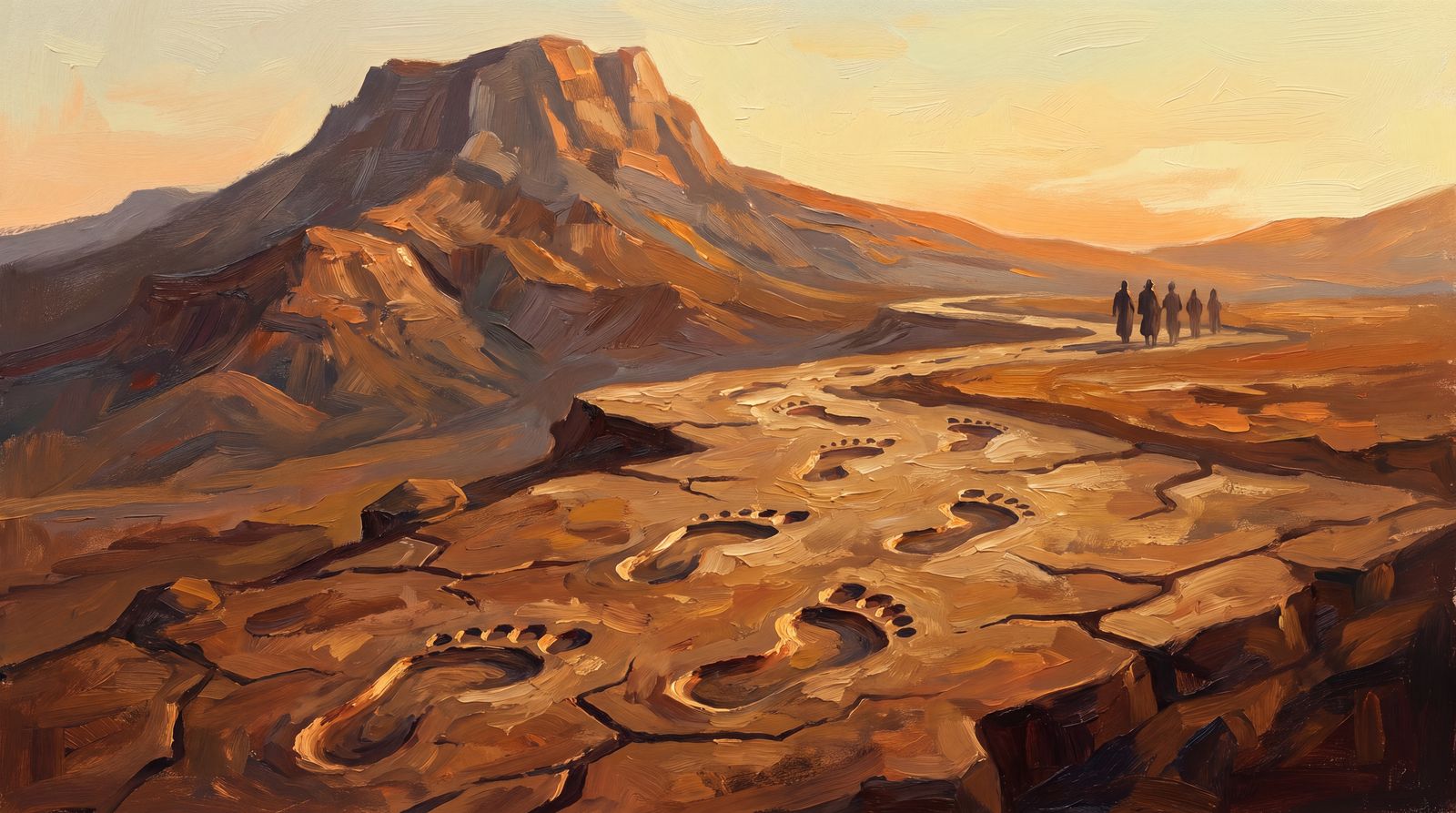
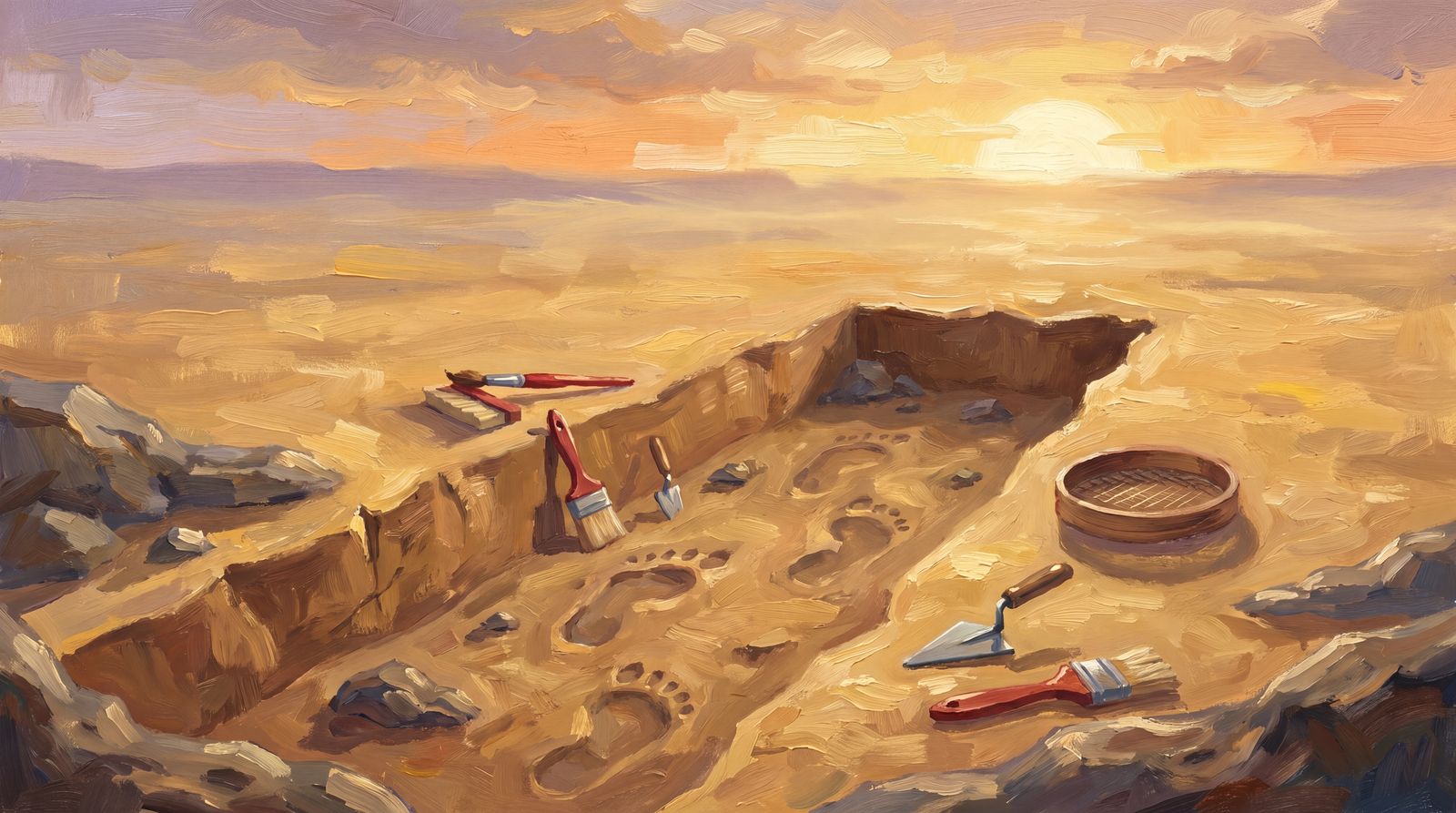
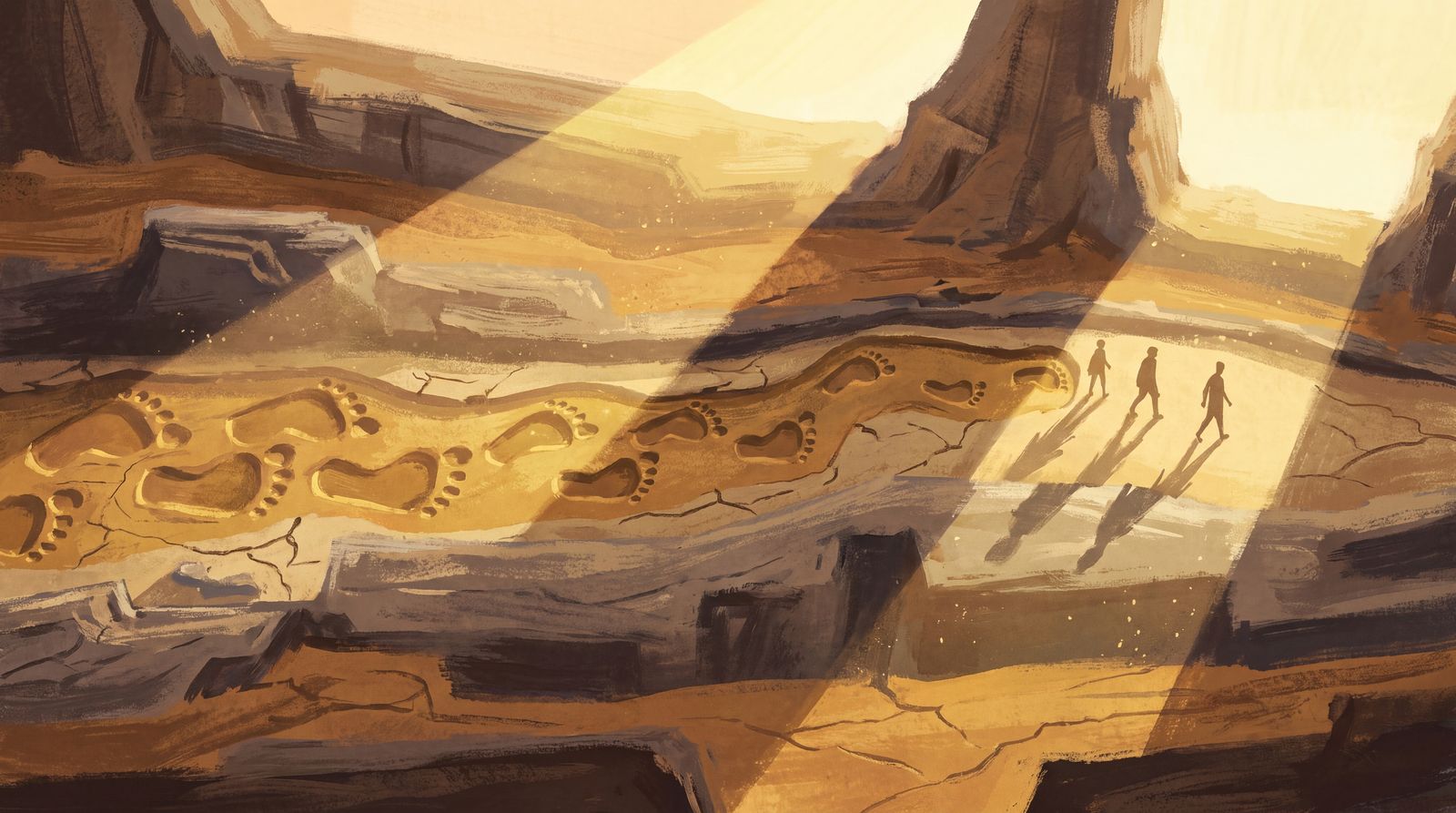
What they found was a trackway almost twenty-seven metres long, with around seventy footprints.

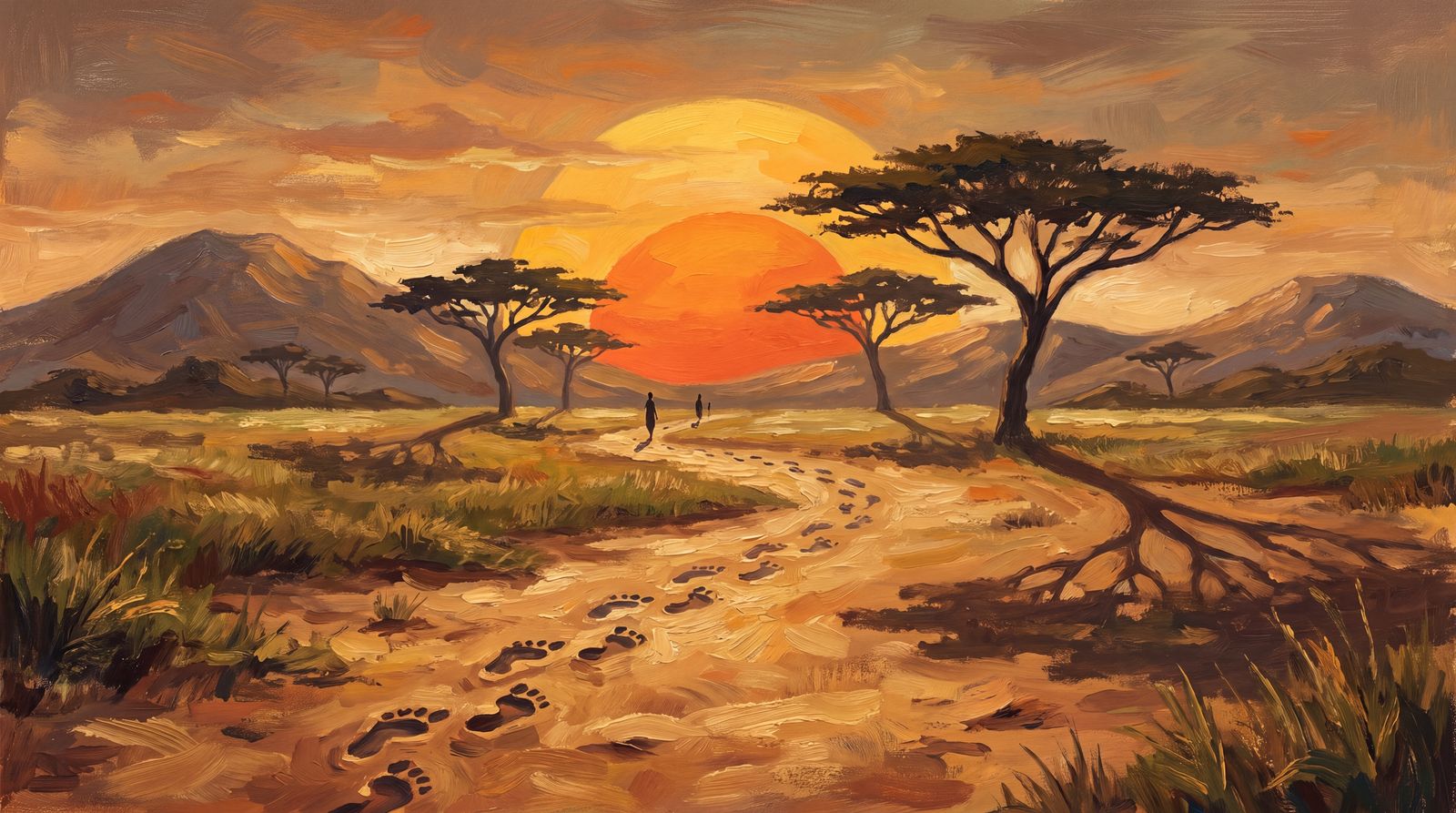
Made by three individuals, walking together in the same direction. A larger one, a smaller one beside it, and a third stepping carefully into the big one's prints.

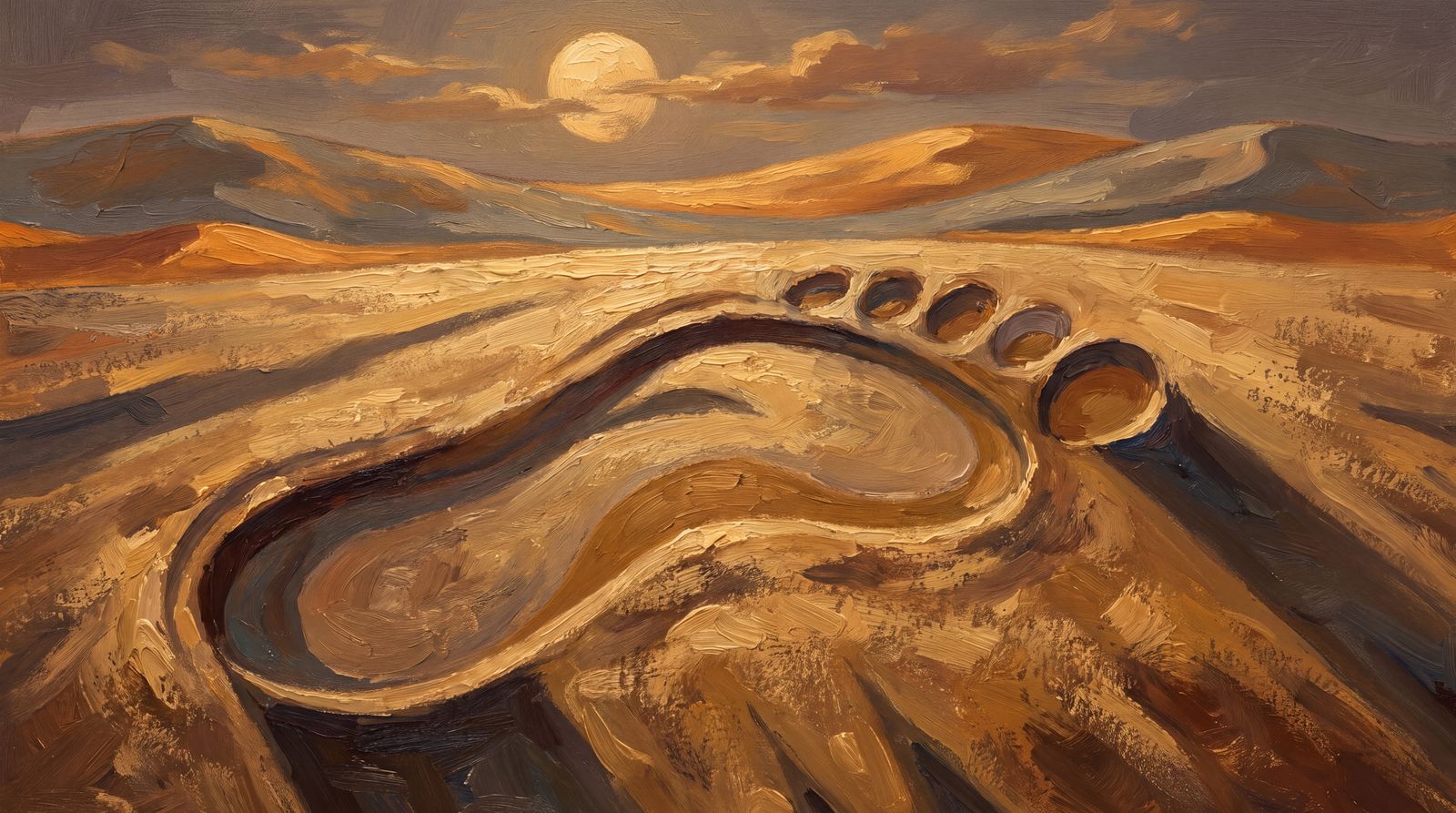
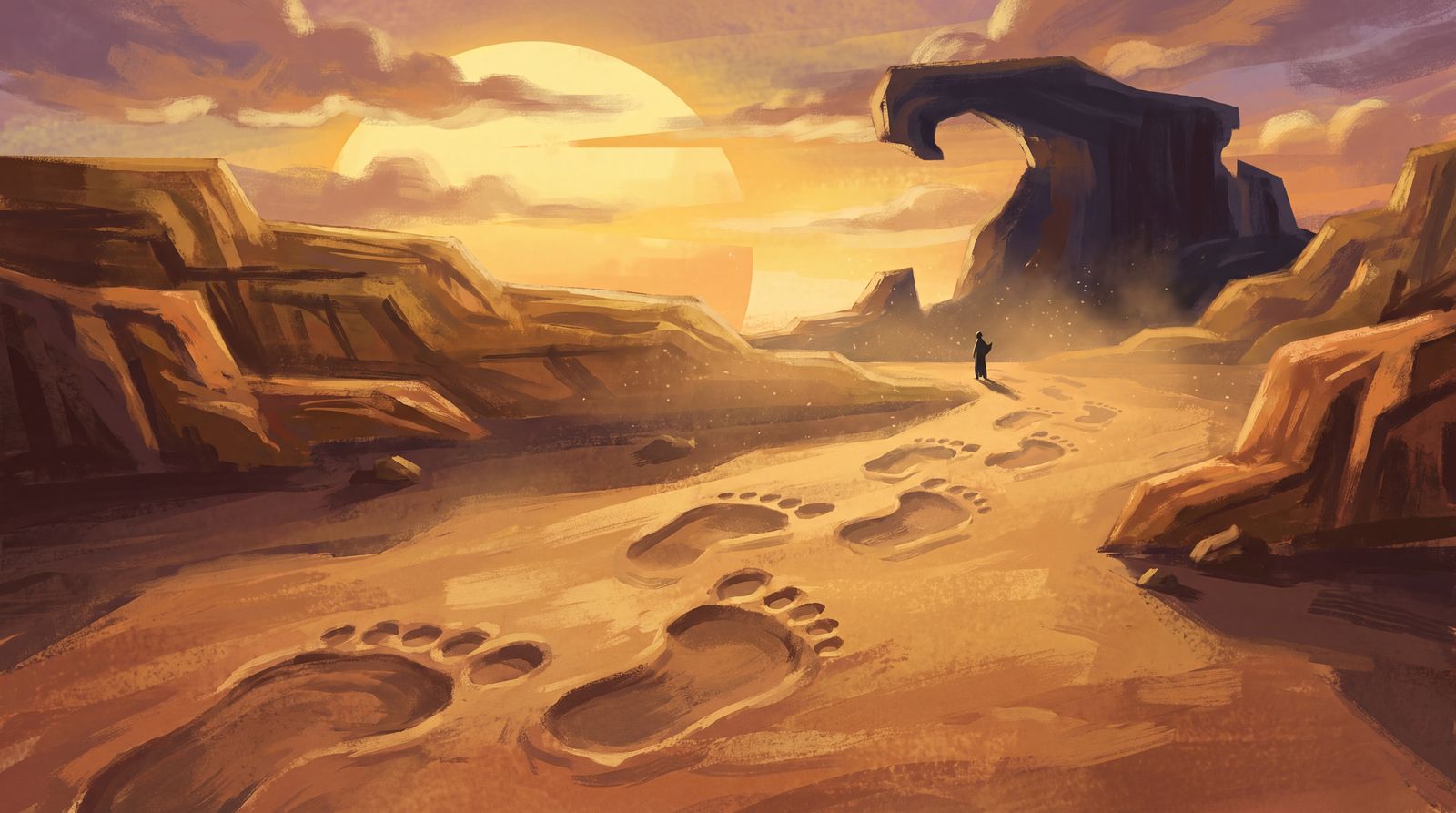
The prints have a rounded heel, an arch, and a big toe in line with the others, pressing off just like a modern human foot.

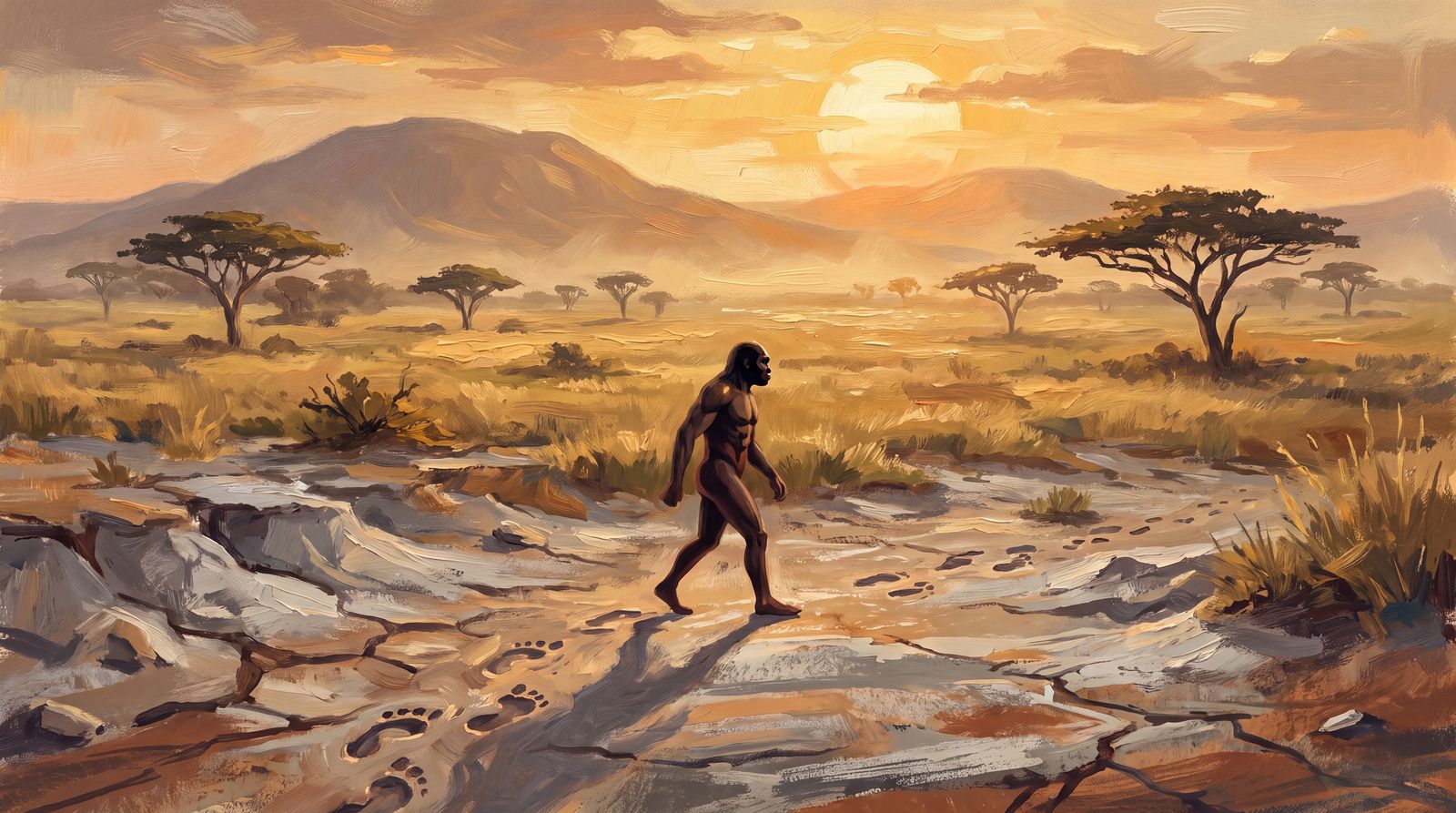
Whoever they were, they were not shuffling, or knuckle-walking. They were striding, upright, and free.

So who were they?

Almost certainly a species called Australopithecus afarensis. The same kind of creature as the famous fossil nicknamed Lucy.

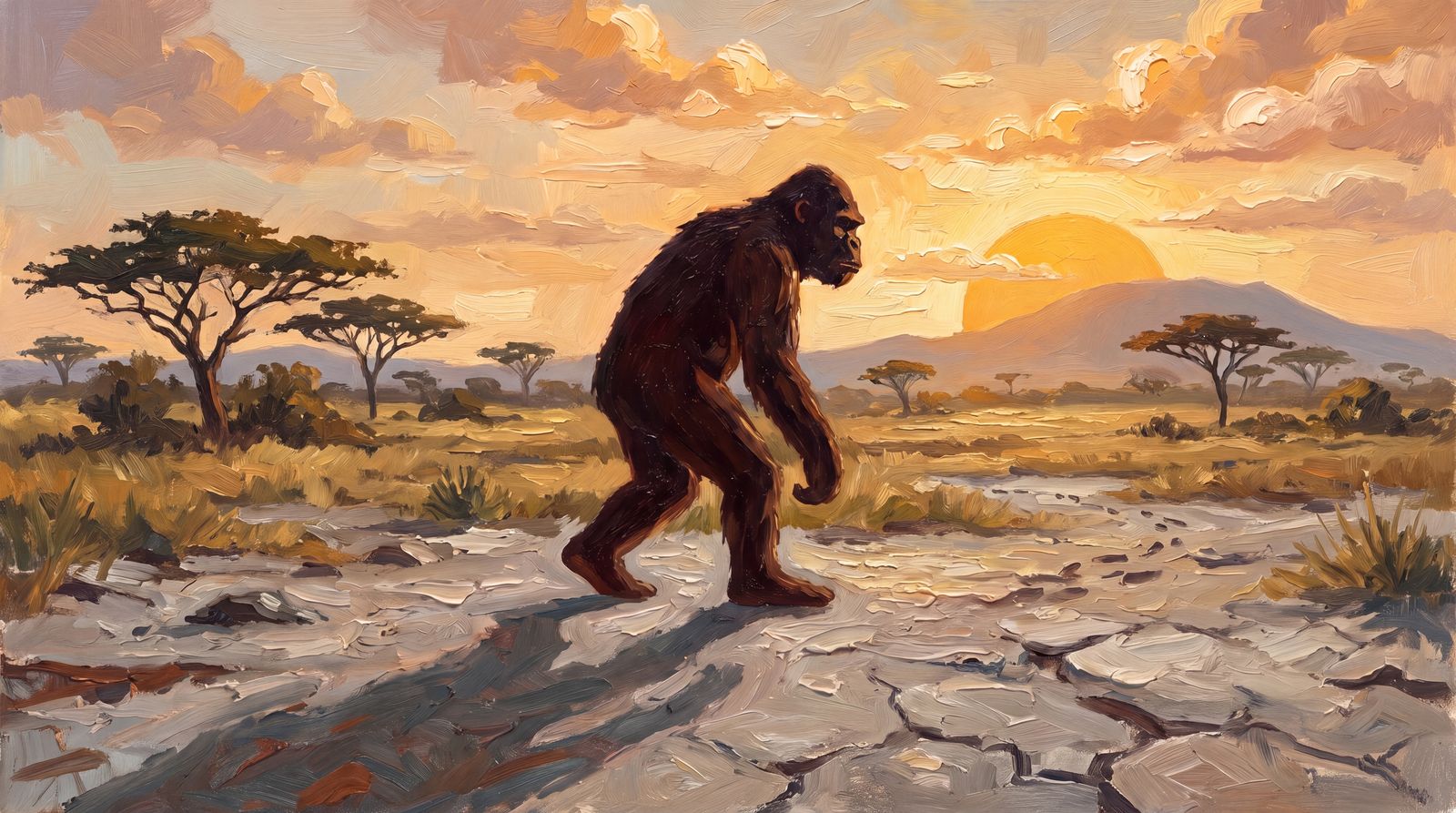
Small. A little over a metre tall. A face still ape-like, a brain still small.

And that is the shock hidden in these footprints.

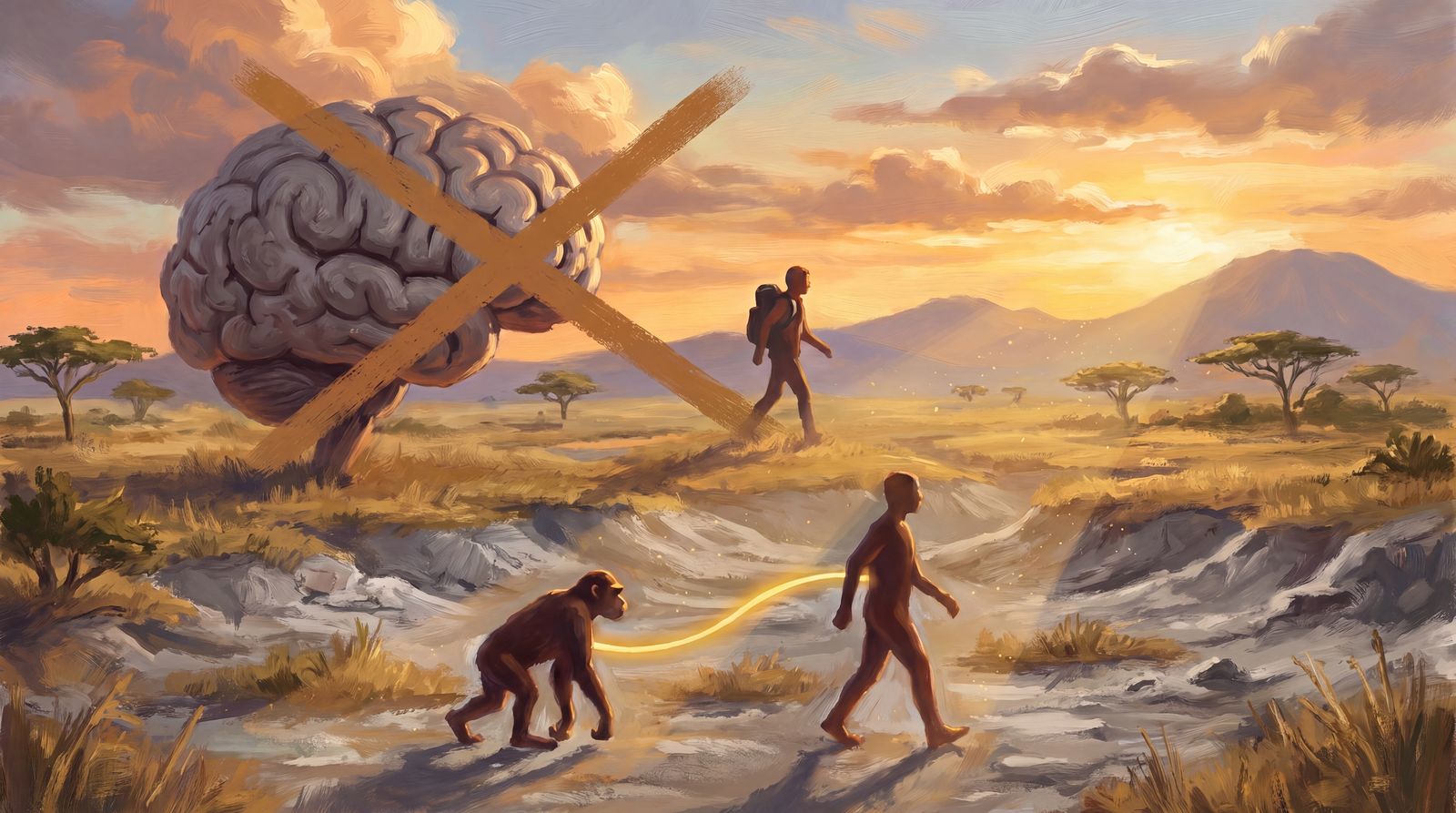
For a long time, people assumed we grew big brains first, and only started walking upright later.

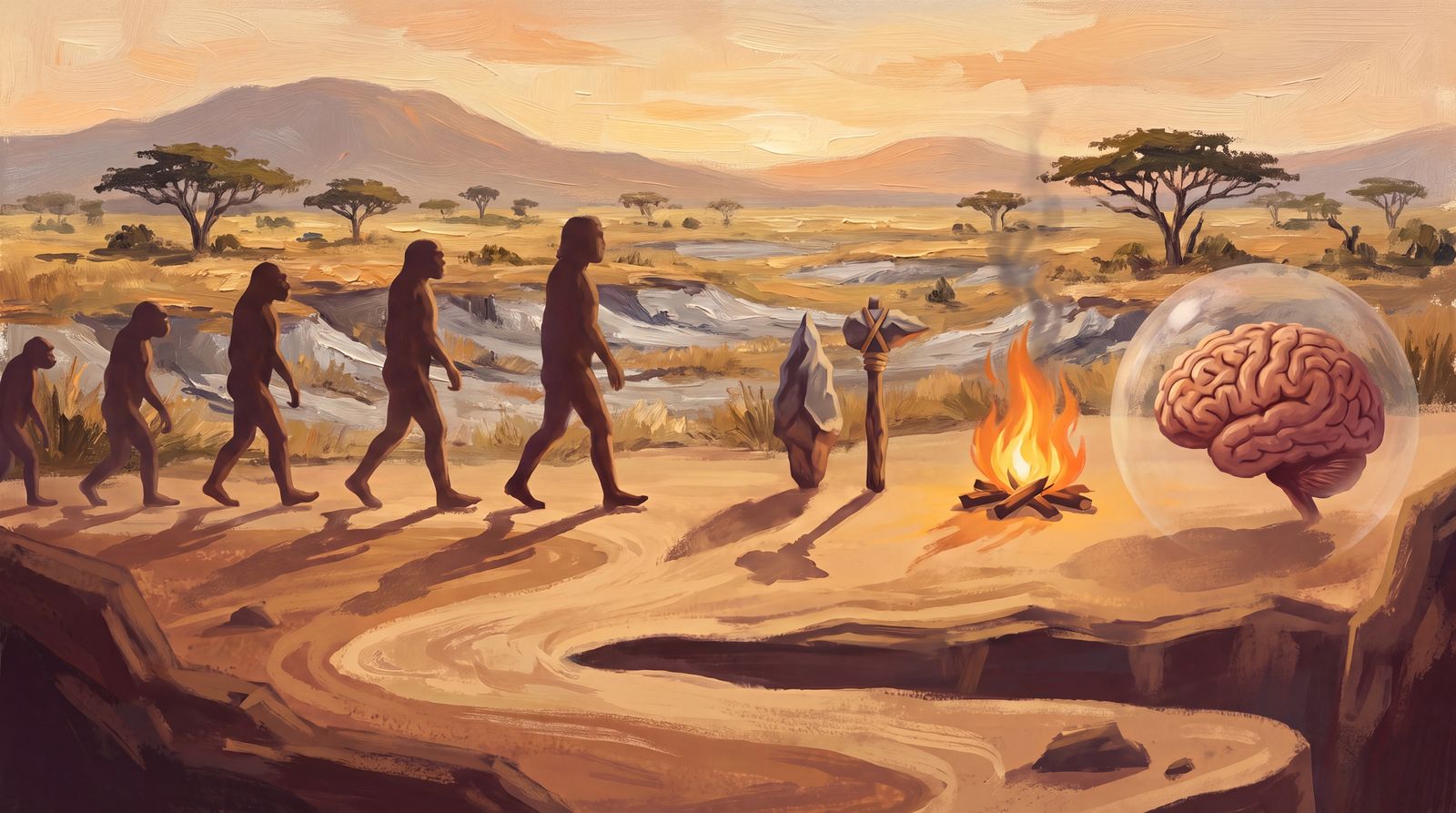
Laetoli proves it was the other way around. These creatures walked upright three and a half million years ago, long before big brains, before stone tools, before fire.

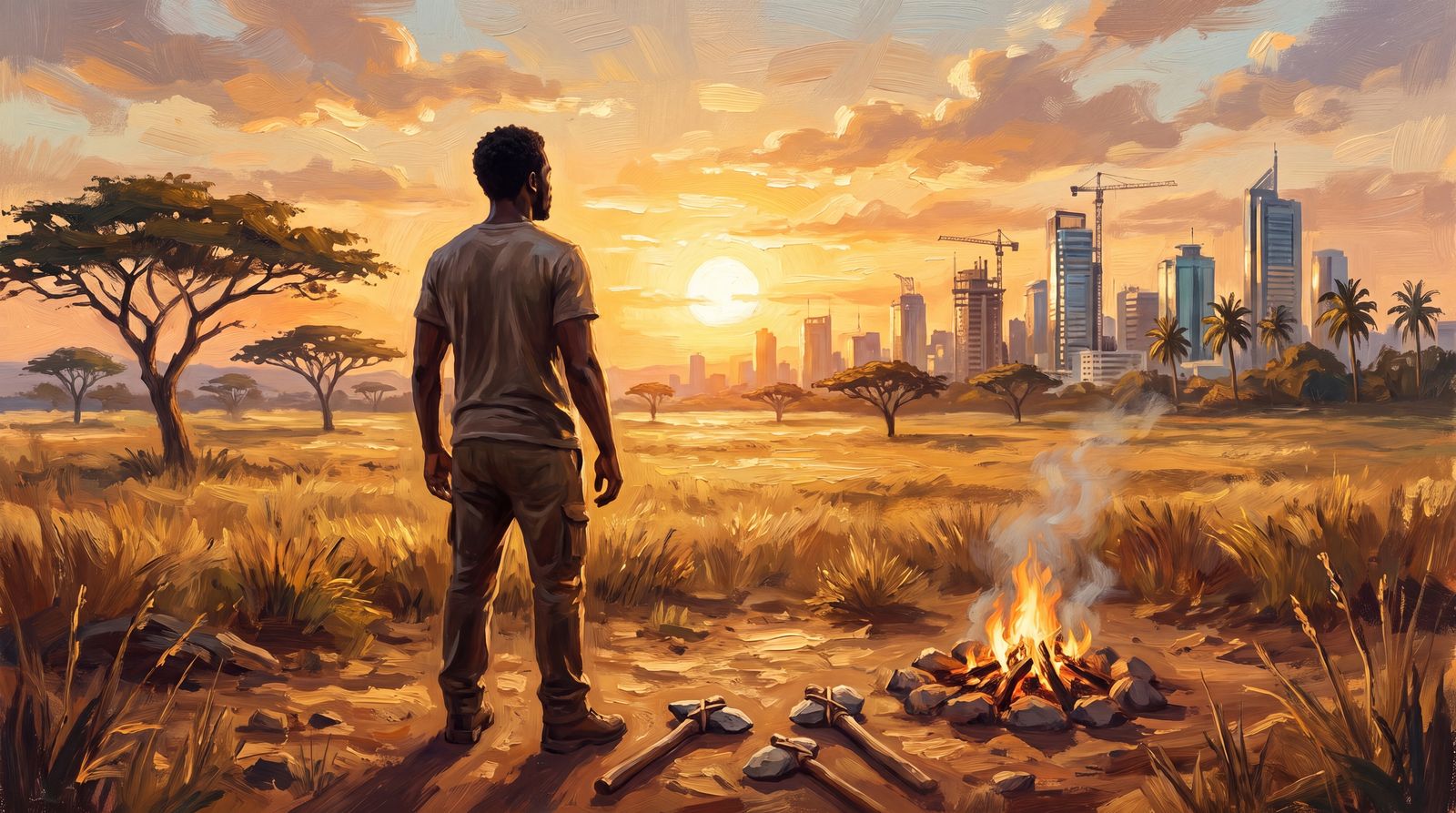
Standing up came first. Everything else, our tools, our intelligence, our whole journey, came after.

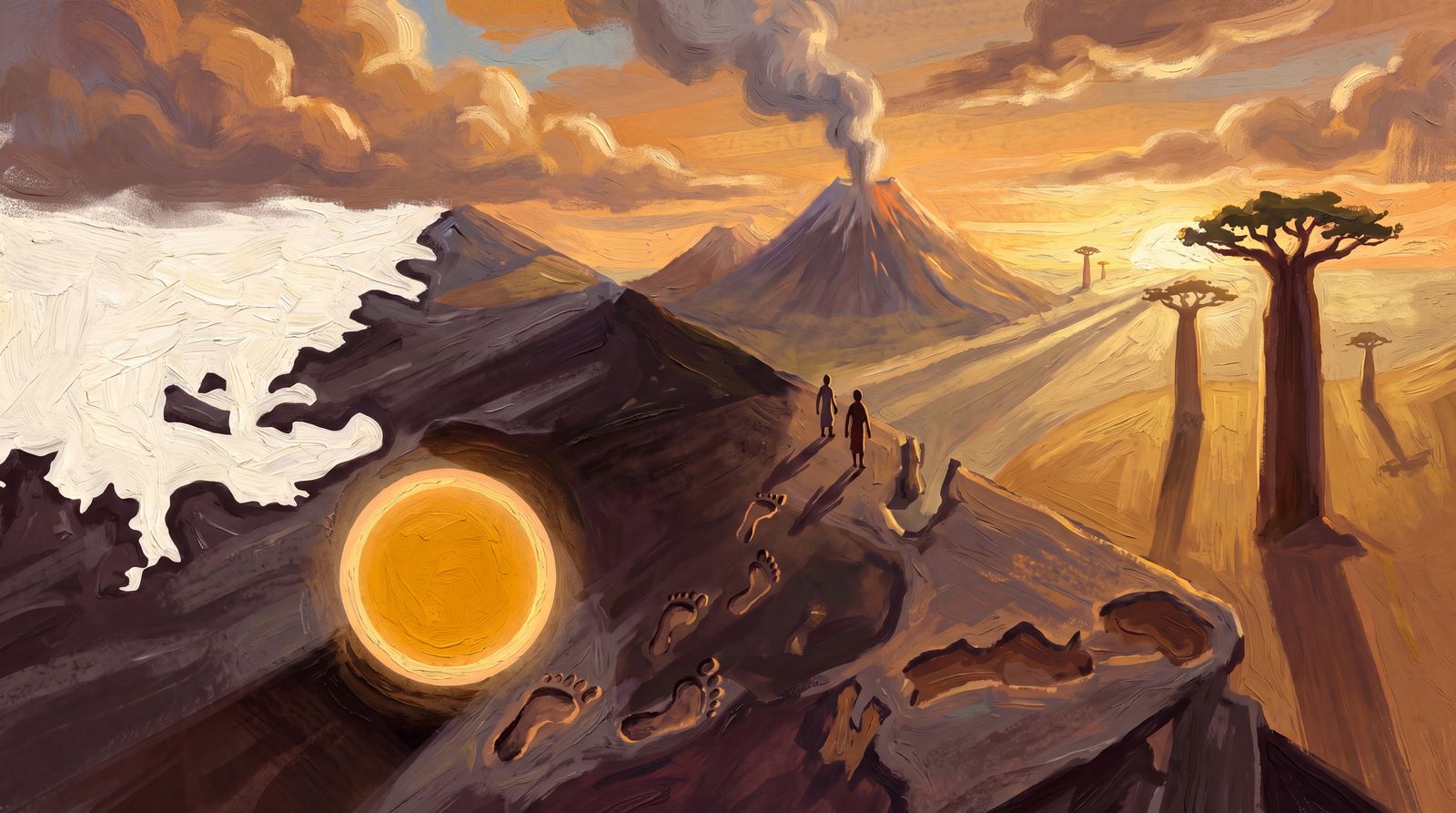
There is even a human touch in the trail. At one point the tracks seem to pause and turn slightly, as if one of them stopped, and looked to the left.

We will never know what they saw. A predator? A storm on the horizon? A companion?

The footprints are so fragile that scientists reburied them, to protect them from the very air.

A single, ordinary walk across a muddy field, frozen into the most extraordinary record of who we were becoming.

So here's my question for you. Three and a half million years ago, someone paused on that plain, and turned. What do you think made them stop? Tell me in the comments. I read them.

This has been a deep dive from our Tanzania story, the land where humanity began. Subscribe, and I'll take you further in.
Around three and a half million years ago, three creatures walked across a plain of wet volcanic ash in what is now northern Tanzania. Their footprints are still there. They were not human. Their brains were barely bigger than a chimpanzee's. But they walked upright, on two legs, just like you. These are the oldest clear footprints of our family ever found. And they rewrote the story of how we became human. This is Dunia Docs. The real places behind the world's greatest stories. This is Laetoli, on the southern edge of the Serengeti. A quiet, dusty place that holds one of the most precious fossils on Earth. Not a bone, but a walk. So who left these prints? And why do they matter so much? Stick with me. And if you love the deep story of where we came from, tap subscribe. It's free. It began with a volcano. Ash from a nearby eruption dusted the plains, fine and powdery. Then it rained, and the ash turned to a soft, wet paste, like fresh cement. Animals walked across it and left their tracks. Birds, ancient elephants, rhinos, hares. And then, three of our own ancestors. The sun baked the ash hard. More ash buried it. And there it waited, for three and a half million years. In 1978, a team led by the famous fossil-hunter Mary Leakey uncovered it. One of her colleagues literally stumbled onto the trail. What they found was a trackway almost twenty-seven metres long, with around seventy footprints. Made by three individuals, walking together in the same direction. A larger one, a smaller one beside it, and a third stepping carefully into the big one's prints. The prints have a rounded heel, an arch, and a big toe in line with the others, pressing off just like a modern human foot. Whoever they were, they were not shuffling, or knuckle-walking. They were striding, upright, and free. So who were they? Almost certainly a species called Australopithecus afarensis. The same kind of creature as the famous fossil nicknamed Lucy. Small. A little over a metre tall. A face still ape-like, a brain still small. And that is the shock hidden in these footprints. For a long time, people assumed we grew big brains first, and only started walking upright later. Laetoli proves it was the other way around. These creatures walked upright three and a half million years ago, long before big brains, before stone tools, before fire. Standing up came first. Everything else, our tools, our intelligence, our whole journey, came after. There is even a human touch in the trail. At one point the tracks seem to pause and turn slightly, as if one of them stopped, and looked to the left. We will never know what they saw. A predator? A storm on the horizon? A companion? The footprints are so fragile that scientists reburied them, to protect them from the very air. A single, ordinary walk across a muddy field, frozen into the most extraordinary record of who we were becoming. So here's my question for you. Three and a half million years ago, someone paused on that plain, and turned. What do you think made them stop? Tell me in the comments. I read them. This has been a deep dive from our Tanzania story, the land where humanity began. Subscribe, and I'll take you further in.