
Where Humanity Begins · Episode 3 of 5 · 4:18
The Gorge Where We Became Human
There is a ravine at the edge of the Serengeti where the story of becoming human is written in the walls, layer by layer, across nearly two million years. Olduvai — really Oldupai — Gorge is where Mary Leakey found "Nutcracker Man" in 1959, where Homo habilis, the "handy man", was named, and where the Oldowan stone-tool tradition takes its name. A deep dive from our Tanzania story.
 Watch on YouTube
The episode, frame by frame
29 frames, one painted frame per line.


The Gorge Where We Became Human
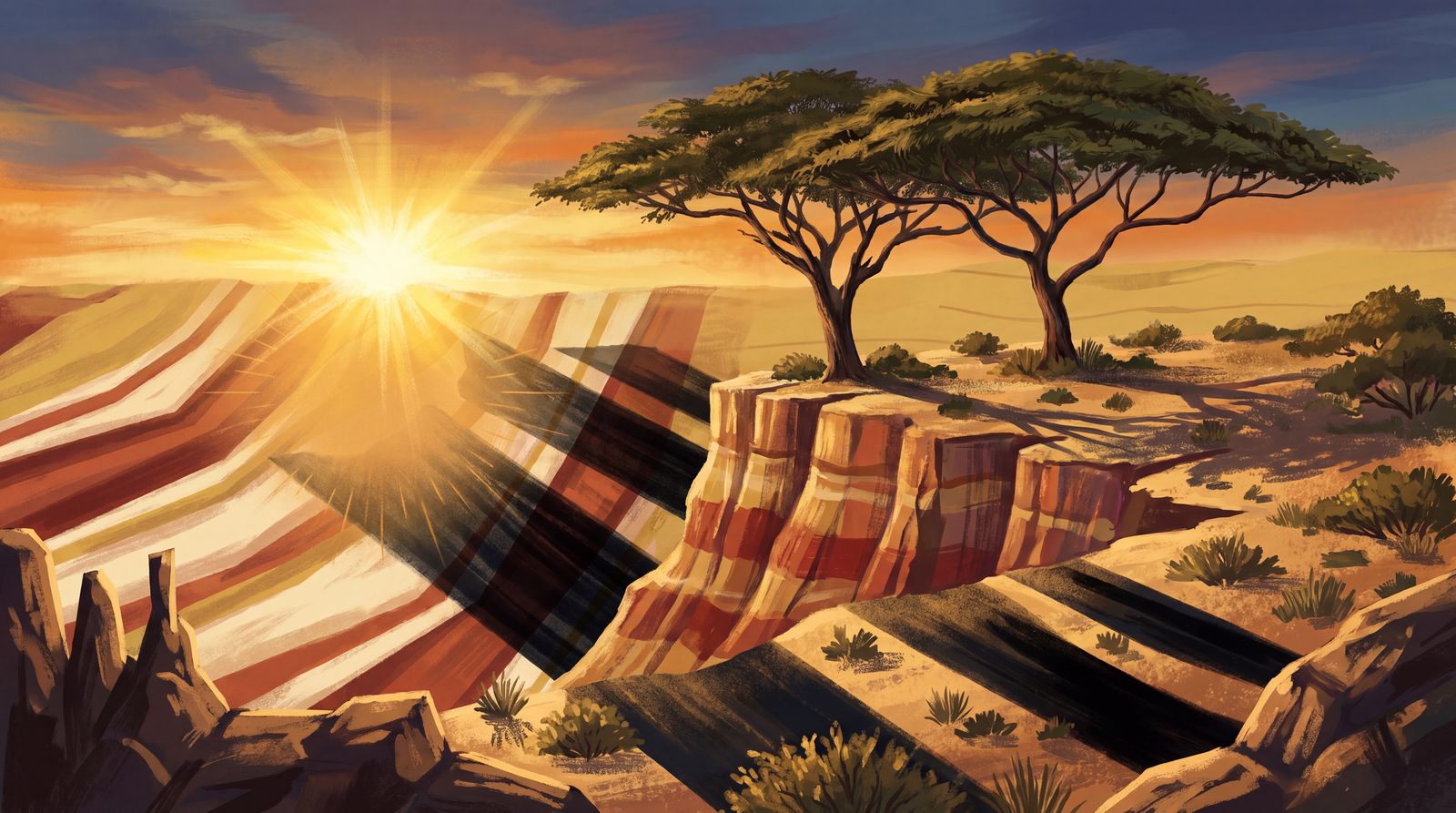
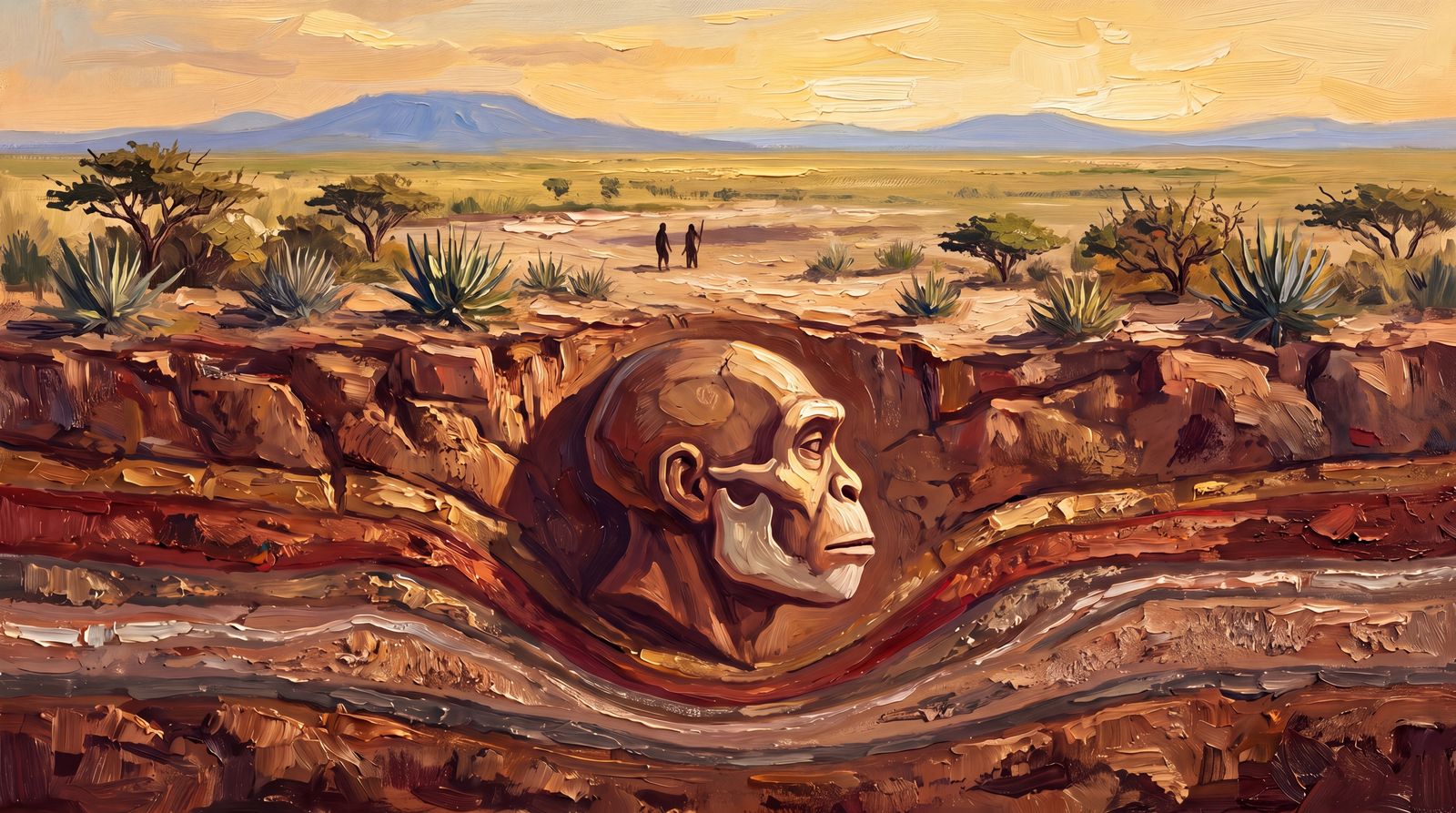
There is a ravine in the plains of Tanzania where you can look at the walls and read nearly two million years of the story of becoming human.

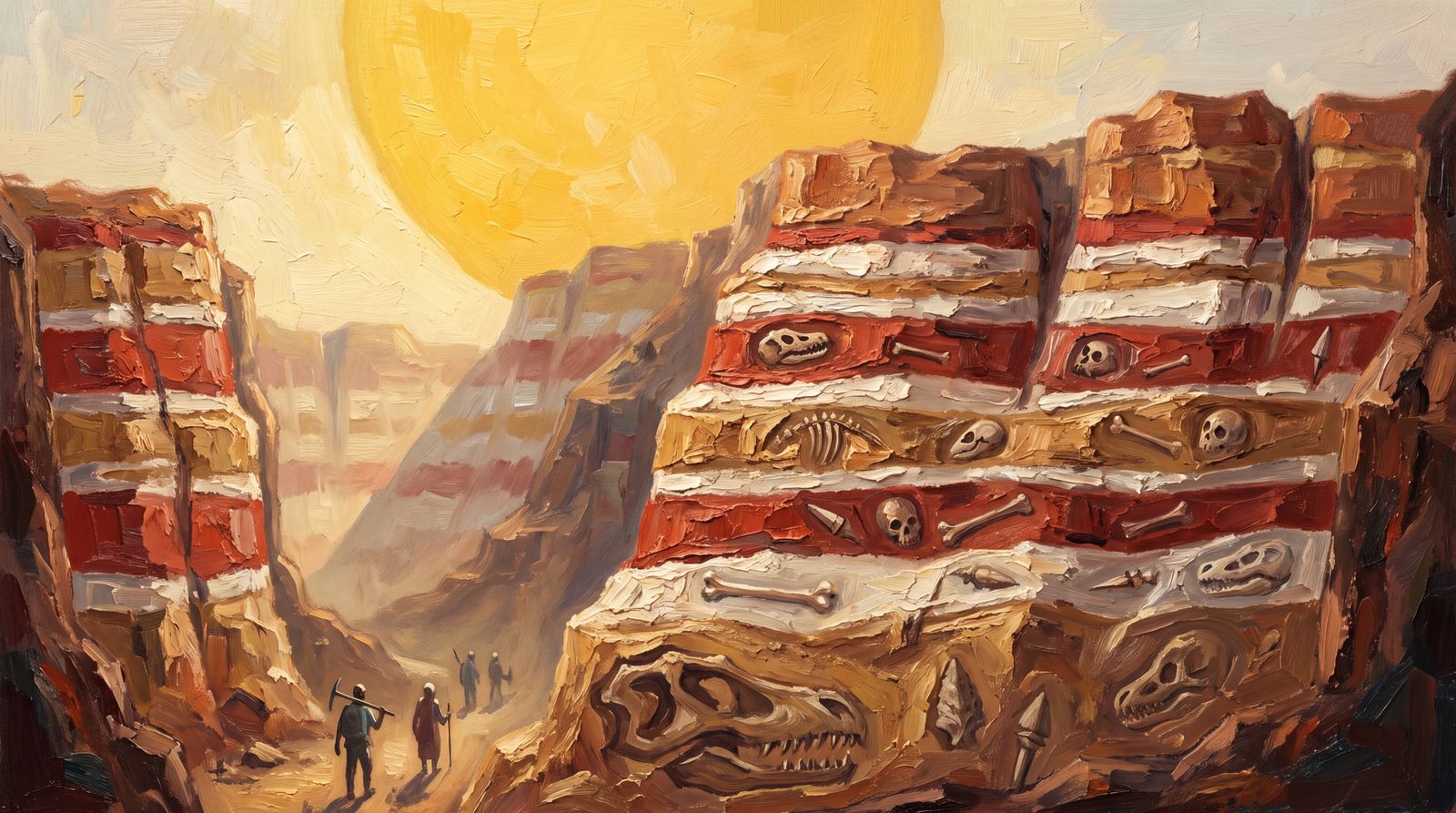
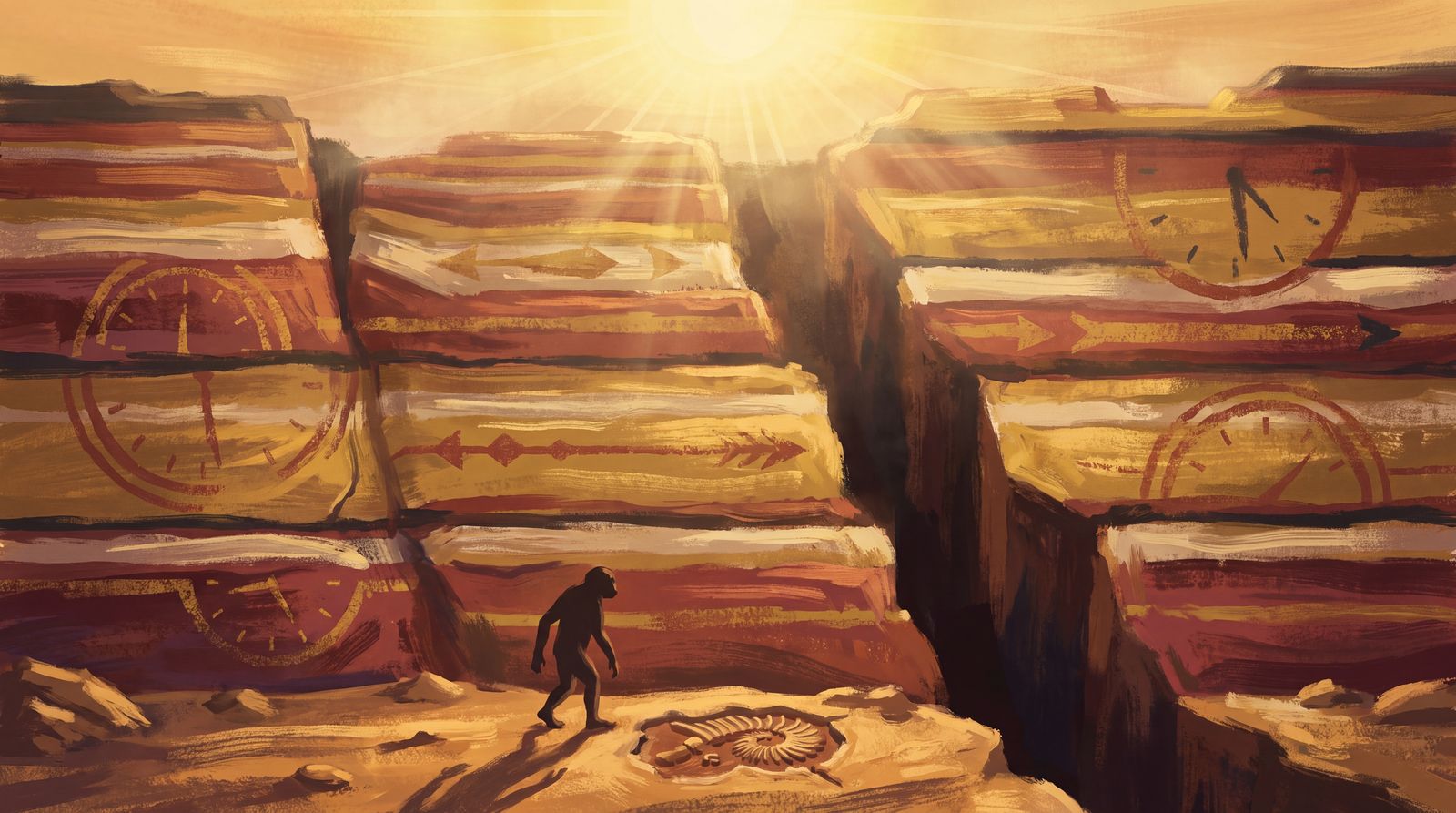
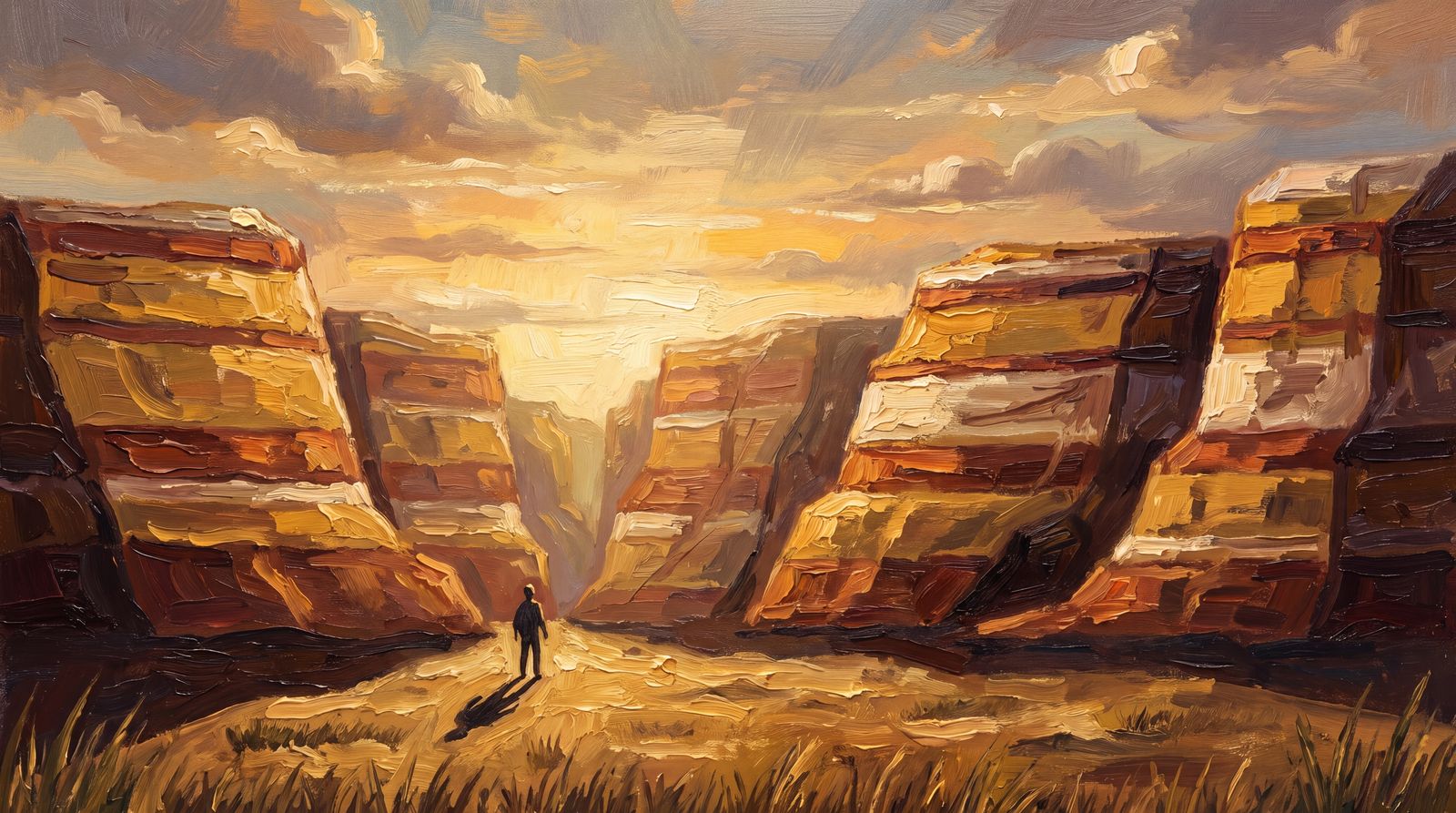
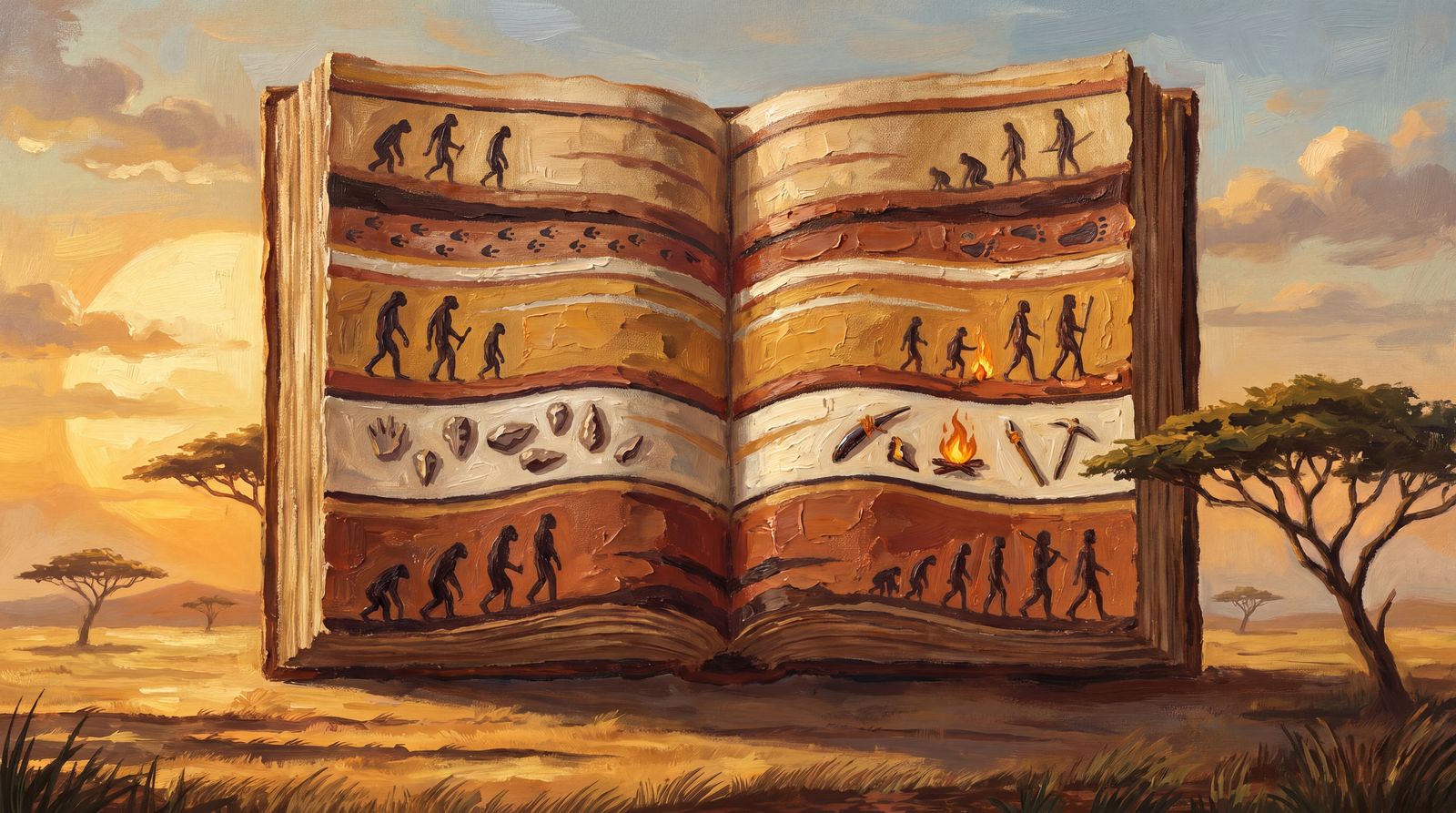
Layer by layer, like the pages of a book written in stone, it holds the bones and tools of our ancestors, stacked in order, oldest at the bottom.

More than almost anywhere on Earth, this is the place where we found out who we used to be.

This is Dunia Docs. The real places behind the world's greatest stories.

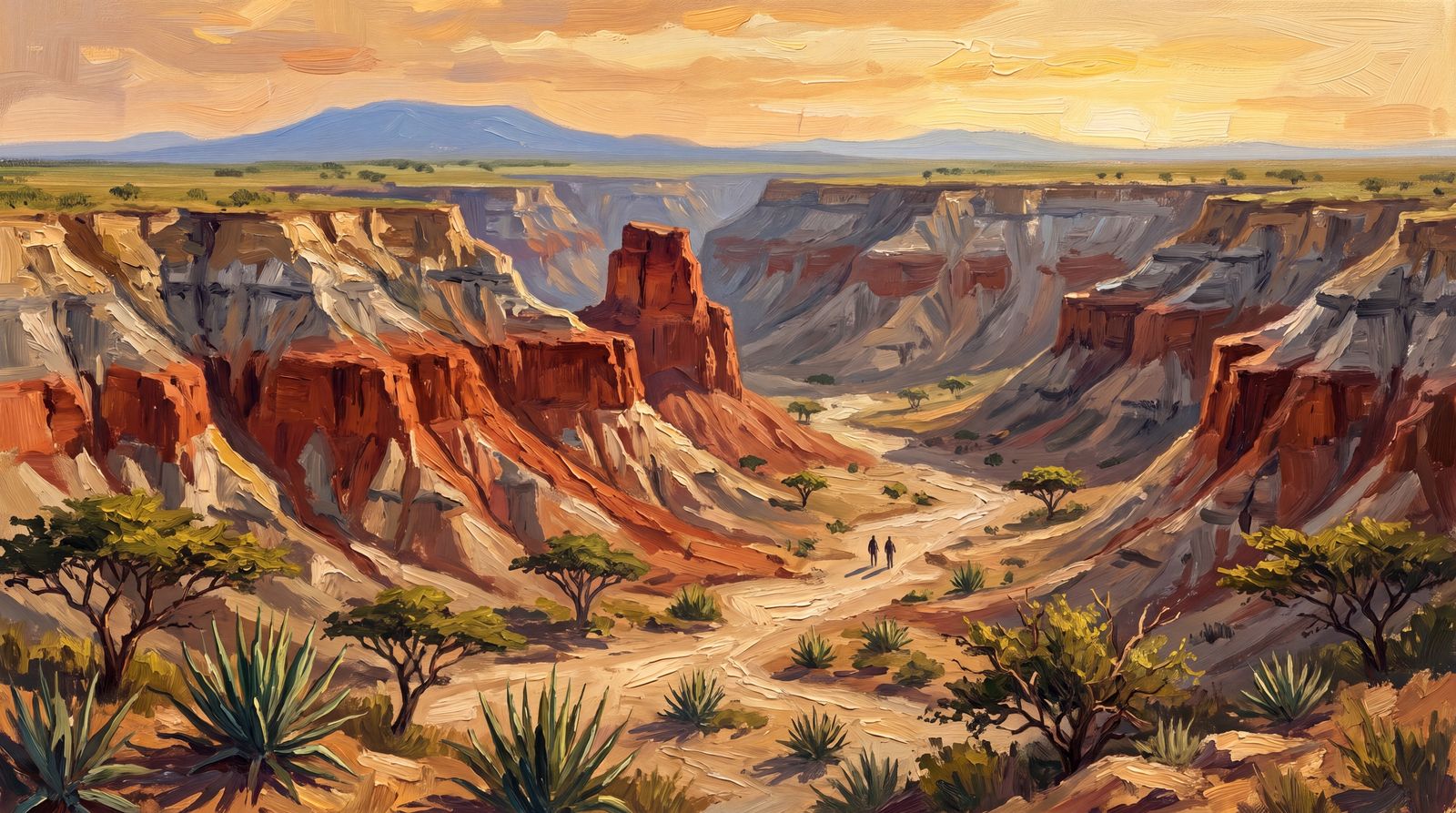
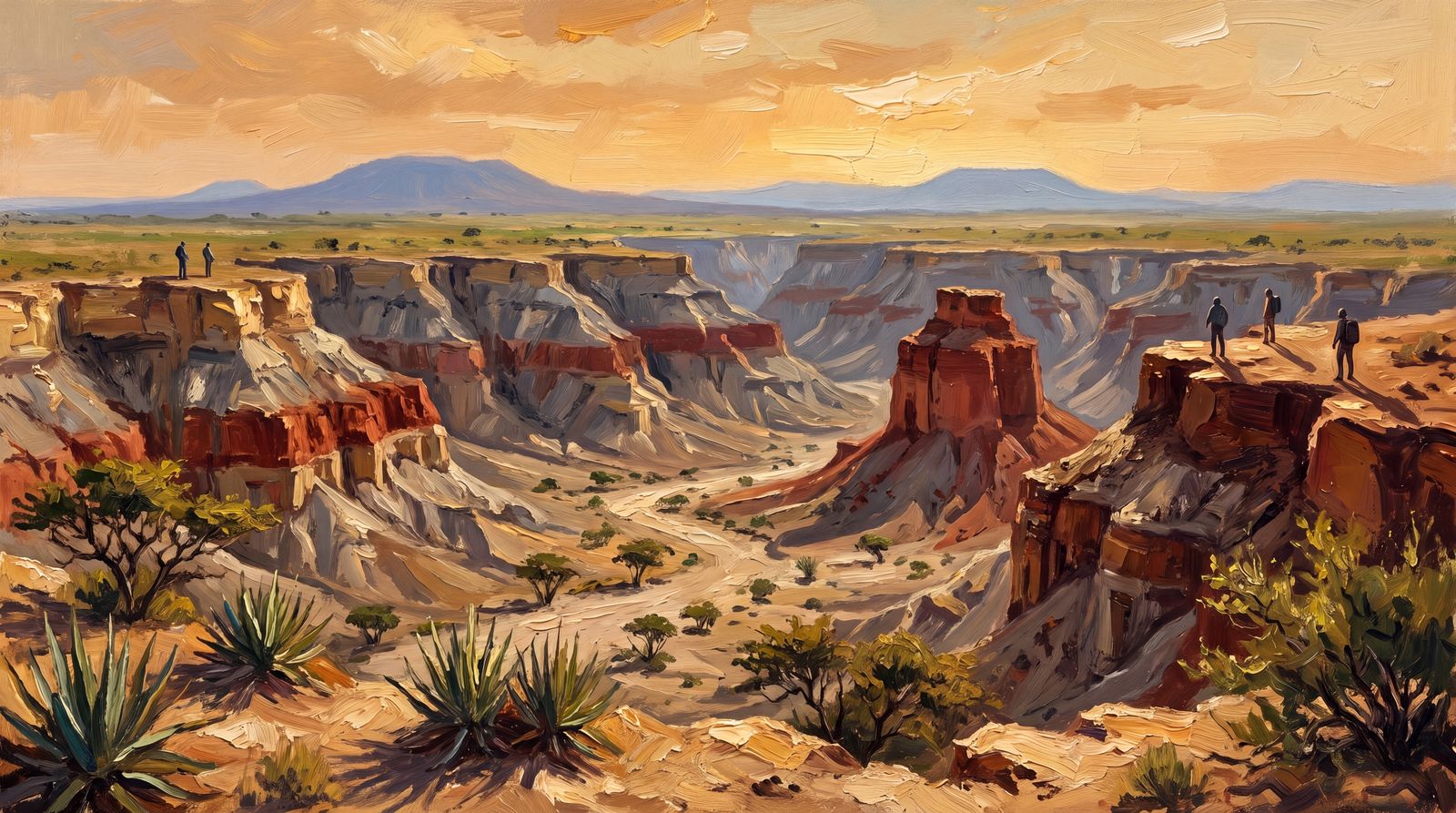
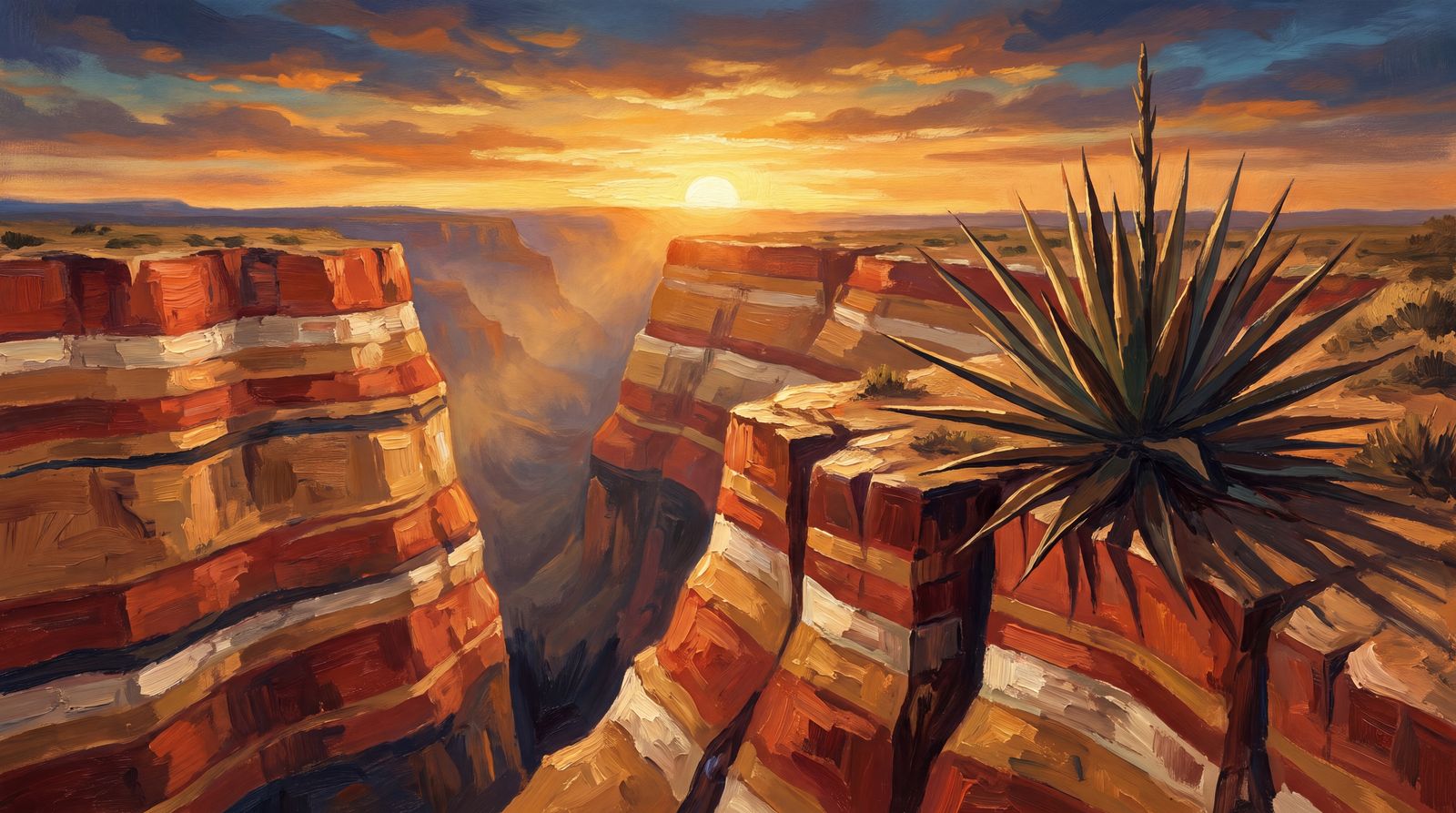
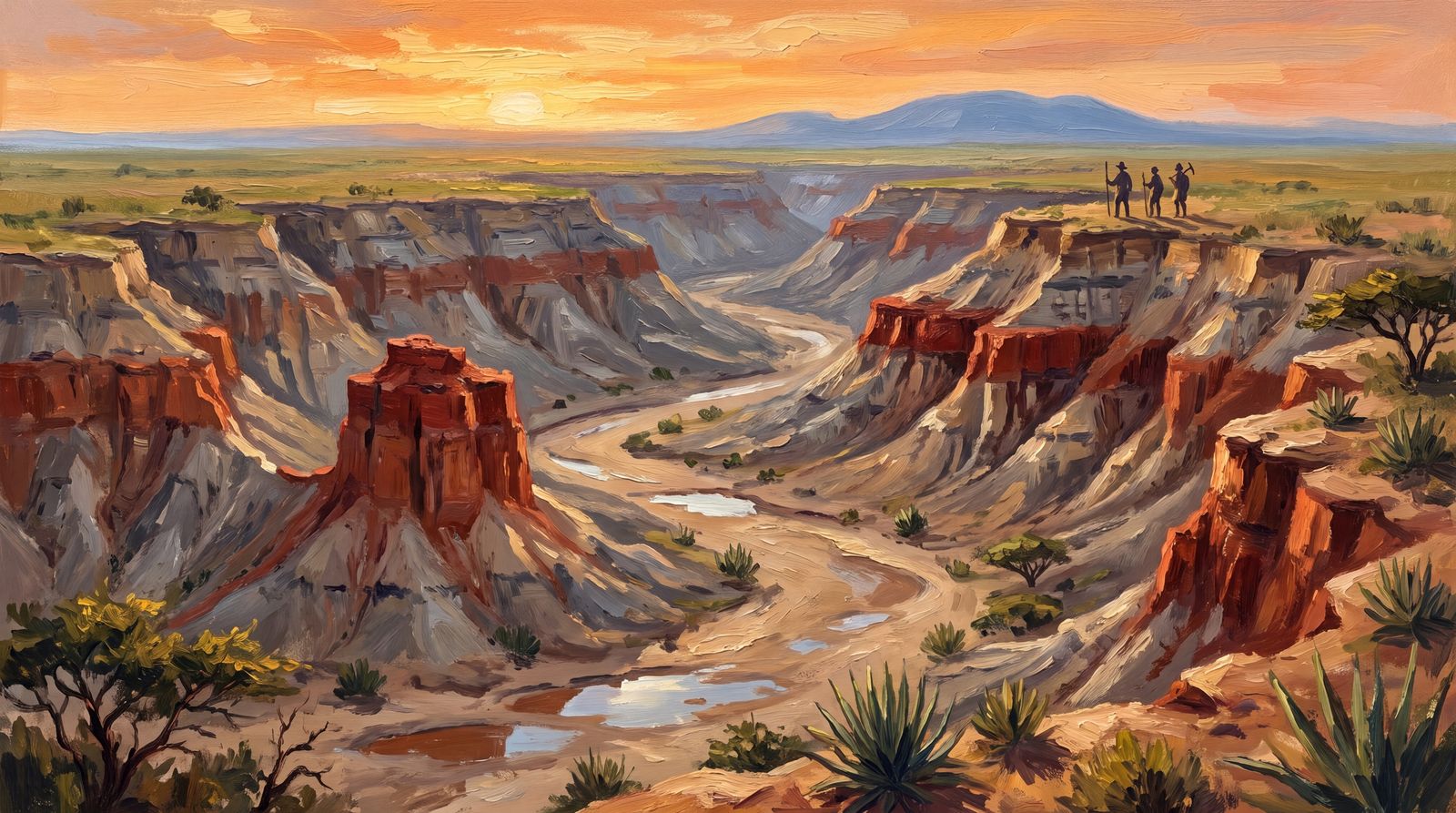
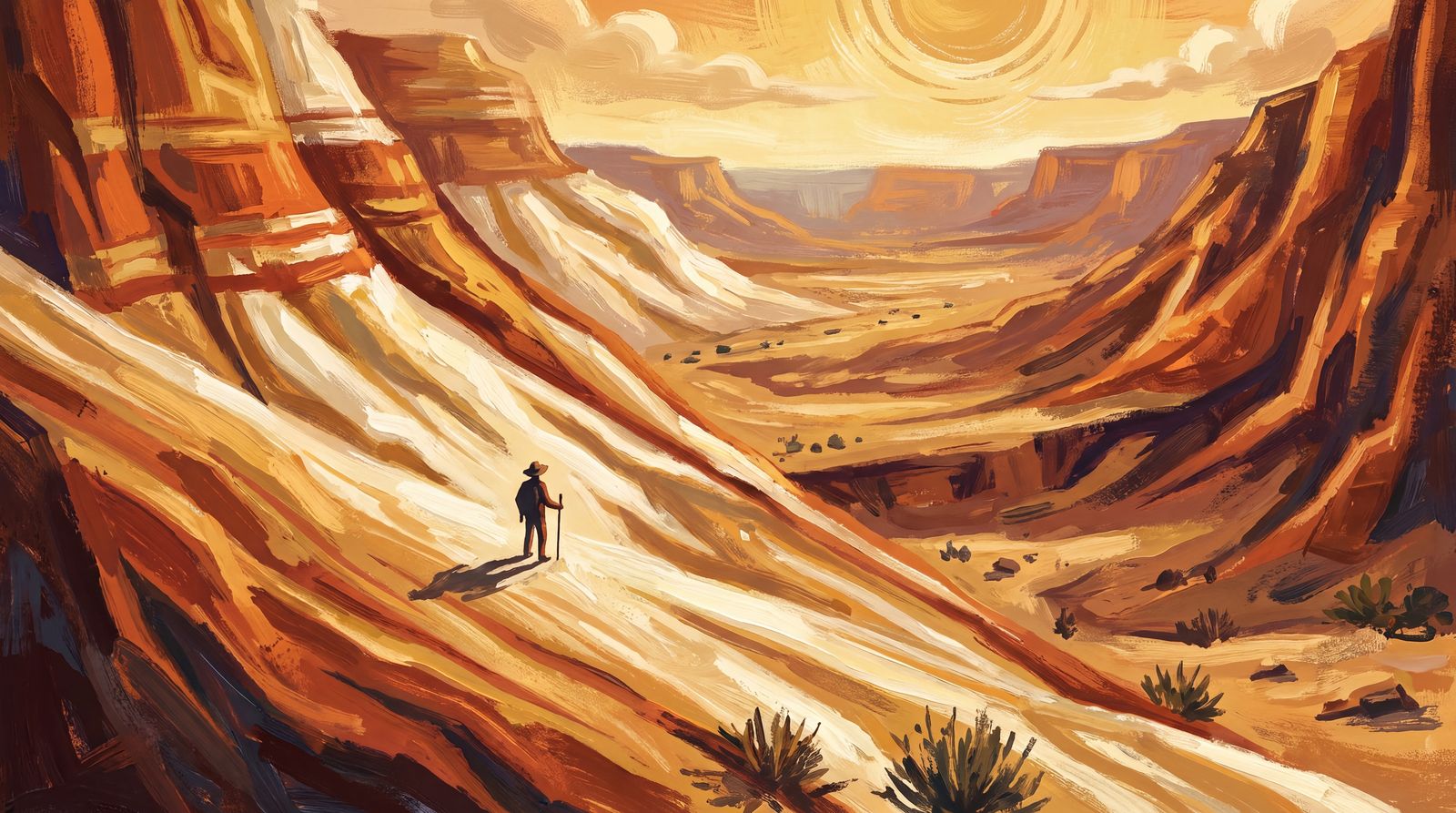
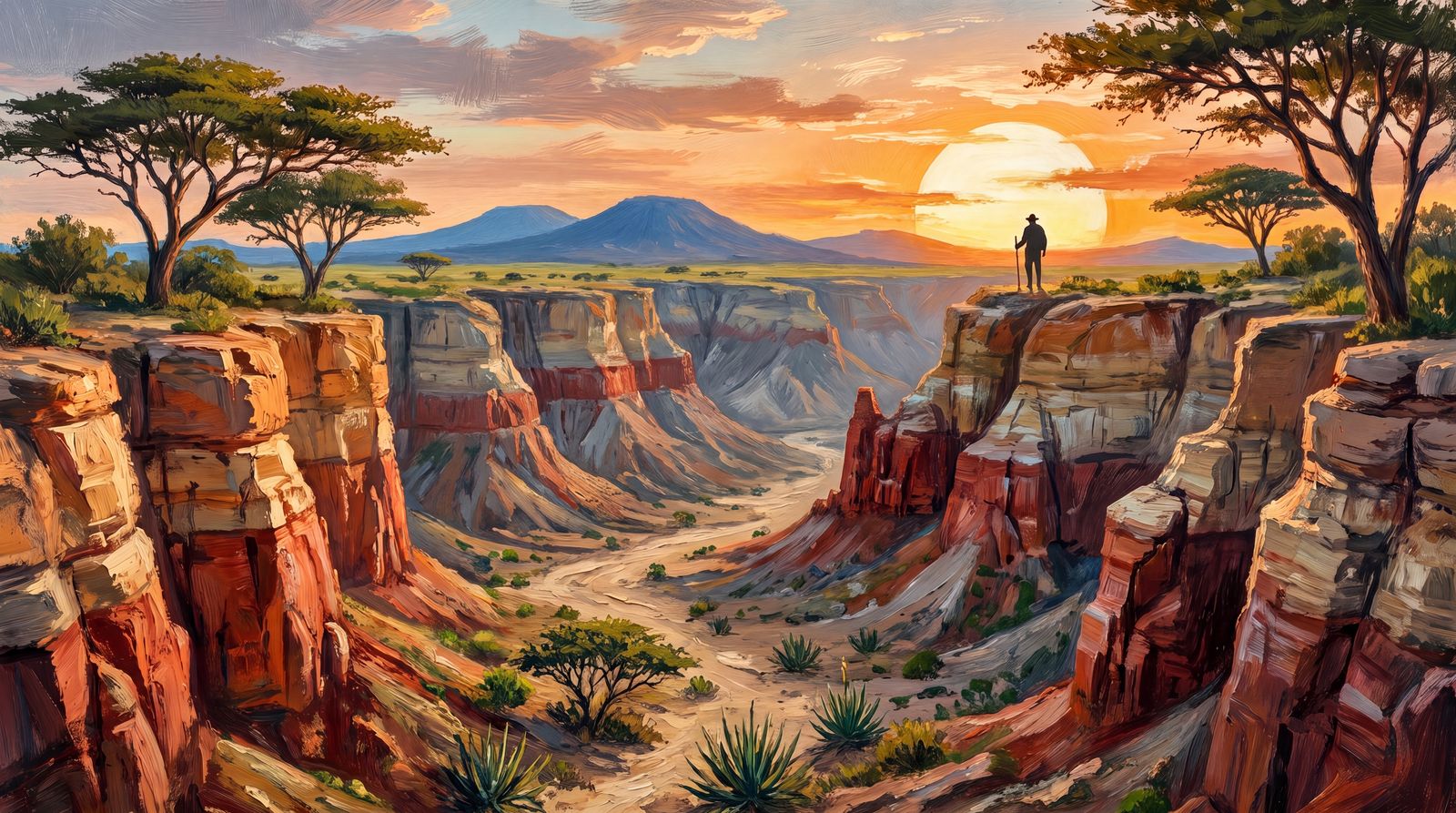
This is Olduvai Gorge, cut into the edge of the Serengeti.

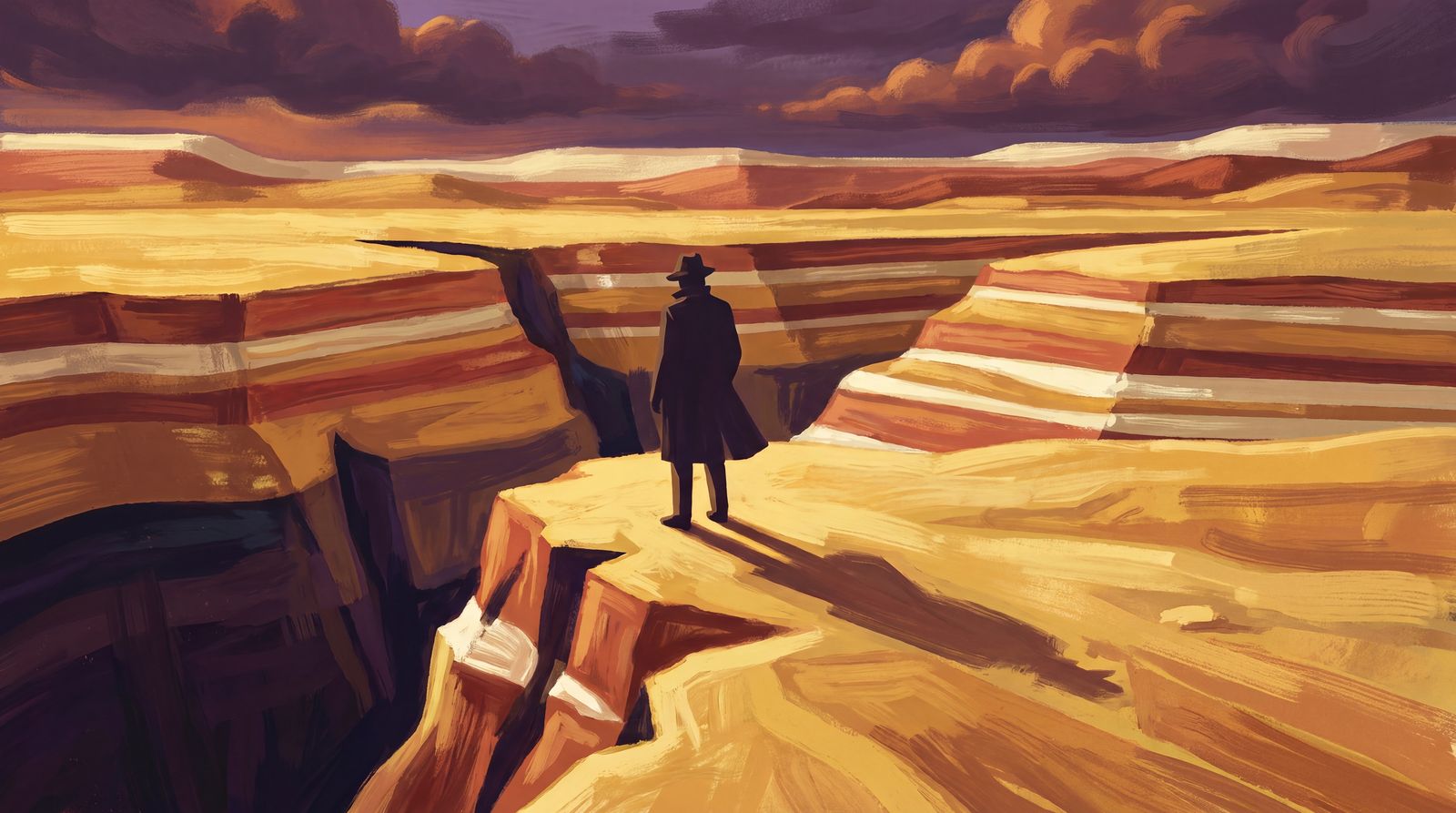
A dry, striped canyon about fifty kilometres long, and one of the most important places in all of science.

So what makes this gorge so special? And what did we find here that changed everything?

Stick with me. And if you love the story of where we came from, tap subscribe. It's free.

Its real name is Oldupai, after a wild sisal plant that grows here. For a century, the world has called it Olduvai by mistake.

The gorge was carved by an ancient river, slicing down through layers of volcanic ash and old lake bed.

And because those ash layers can be dated, the gorge became a natural clock. Dig down, and you travel back in time.

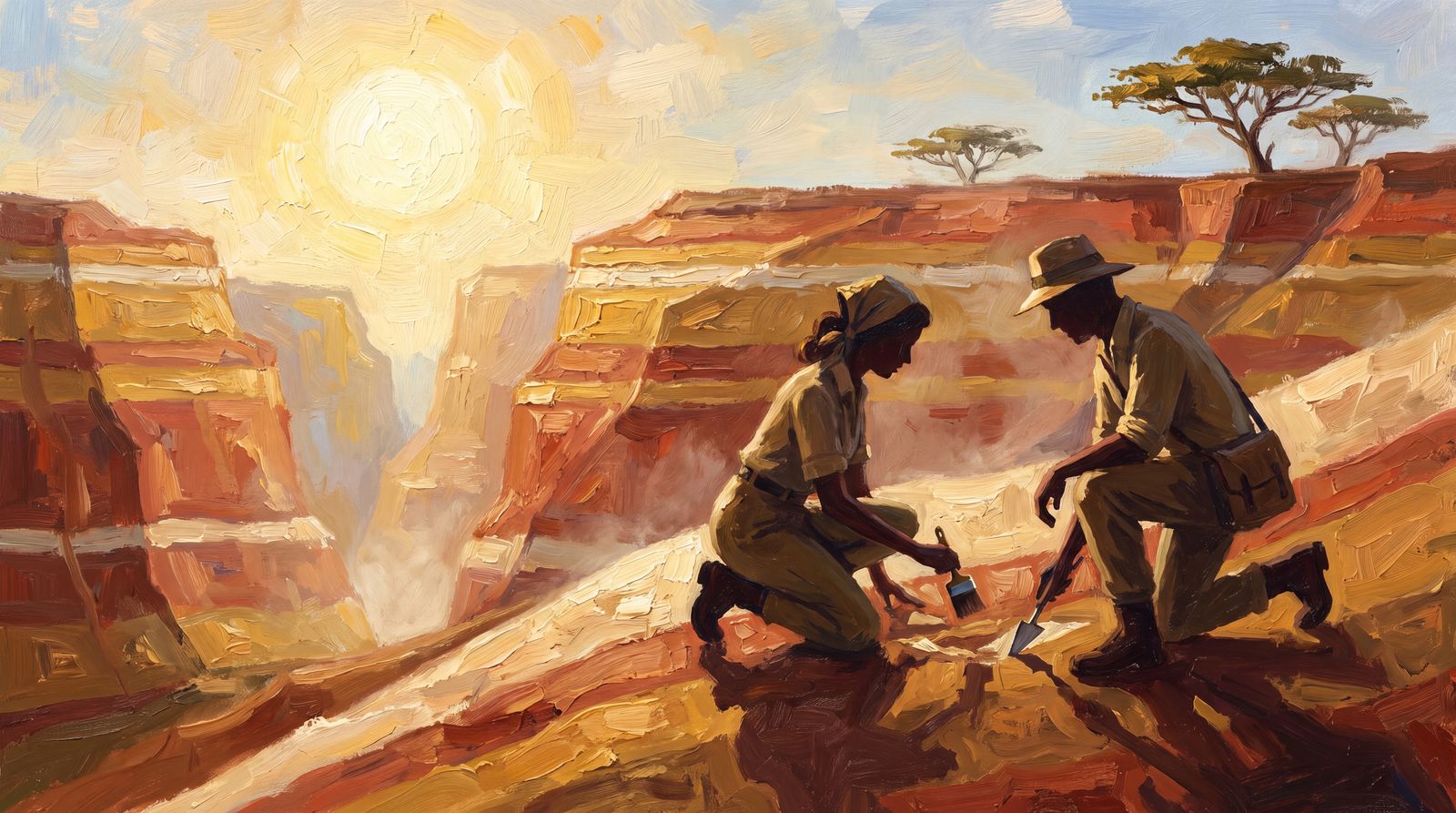
For decades, two scientists gave their lives to this place. Louis and Mary Leakey.

They searched these slopes year after year, often finding almost nothing.

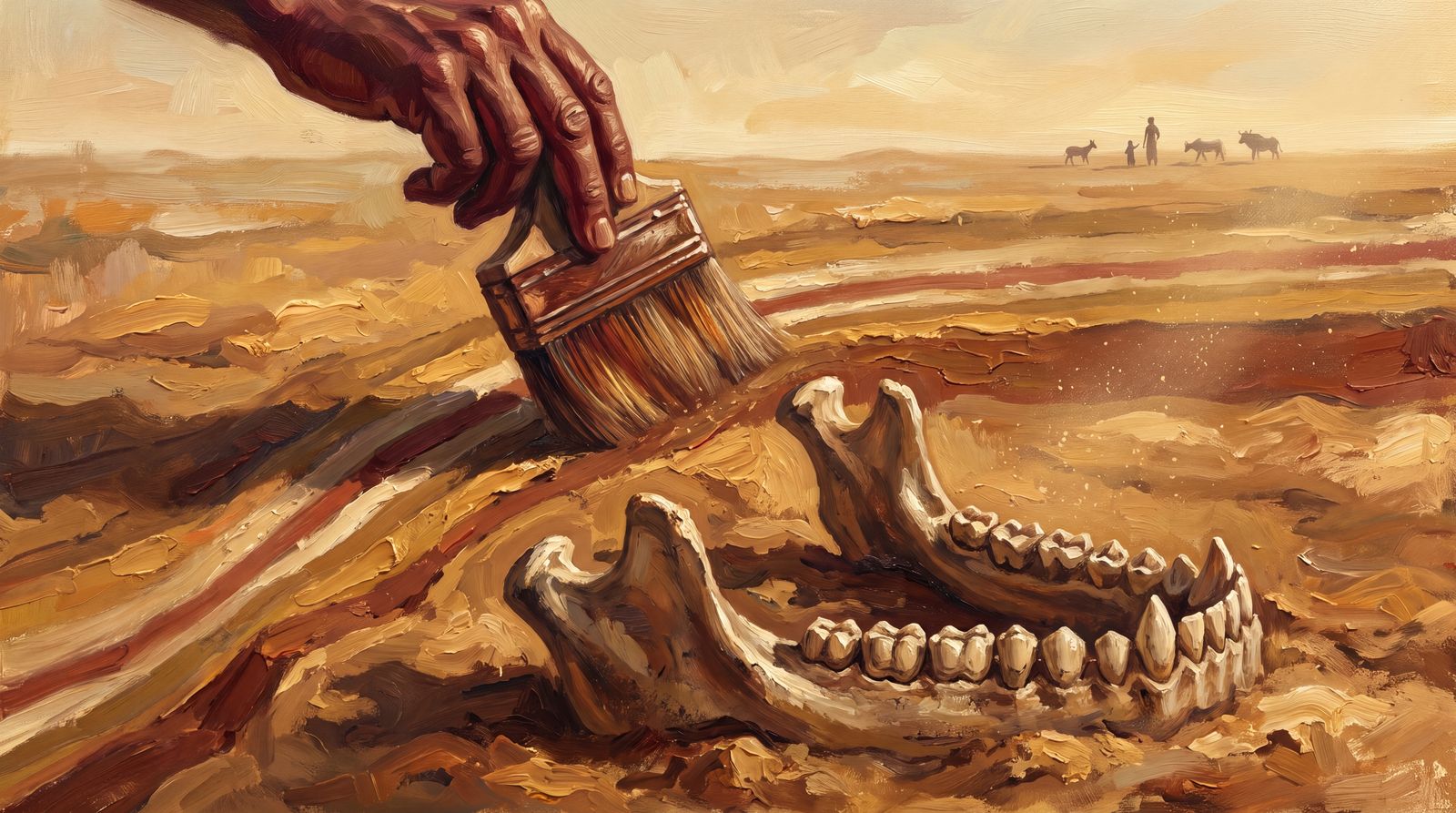
Then, in 1959, Mary Leakey spotted teeth in the dirt.

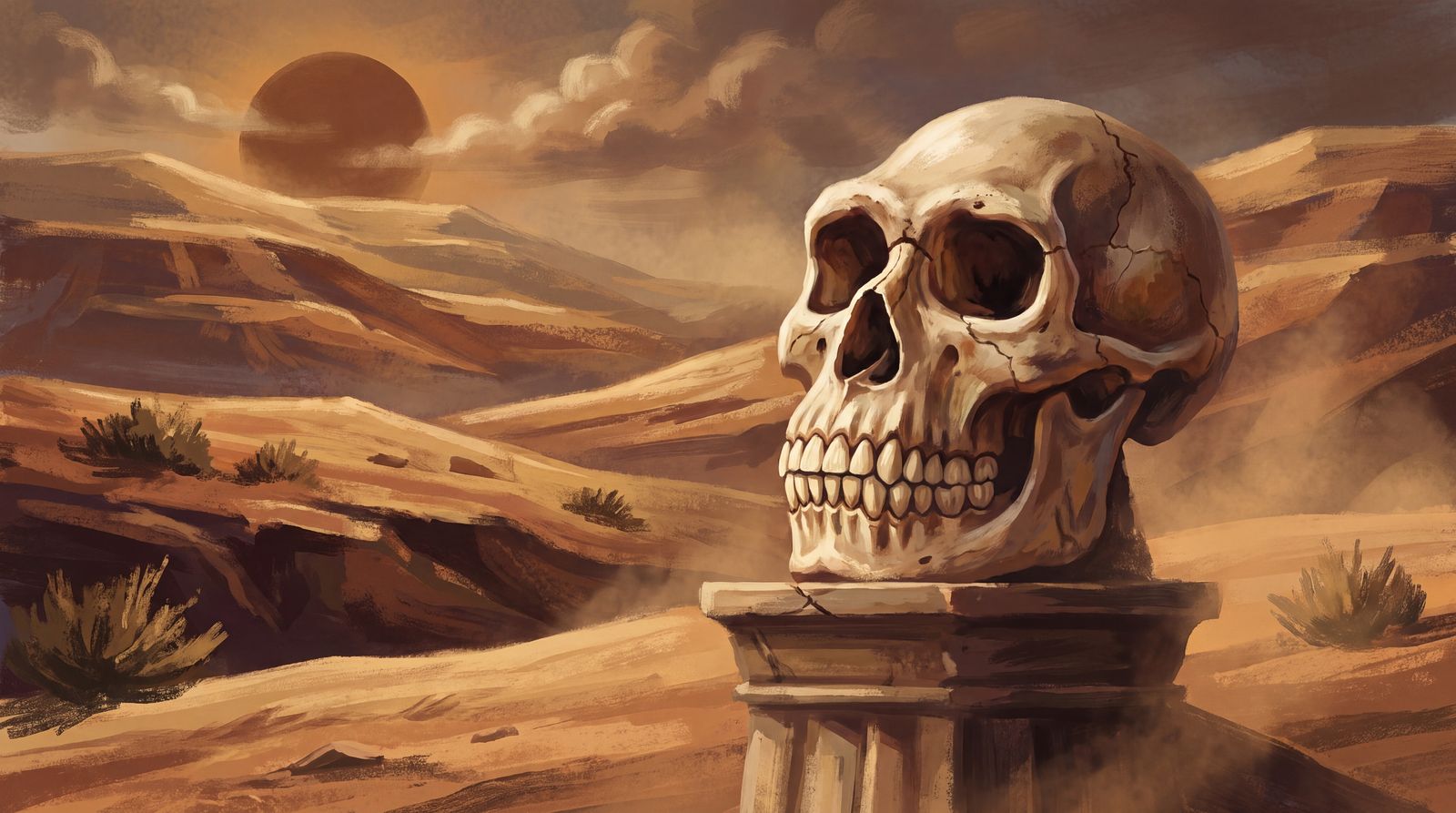
They belonged to a heavy-jawed, small-brained relative we now nickname Nutcracker Man, for his enormous molars.

It was nearly two million years old, and it made headlines around the world.

But the bigger discovery was still to come.

Soon after, the Leakeys found something else in the same gorge. A different creature, with a larger brain and lighter jaws.

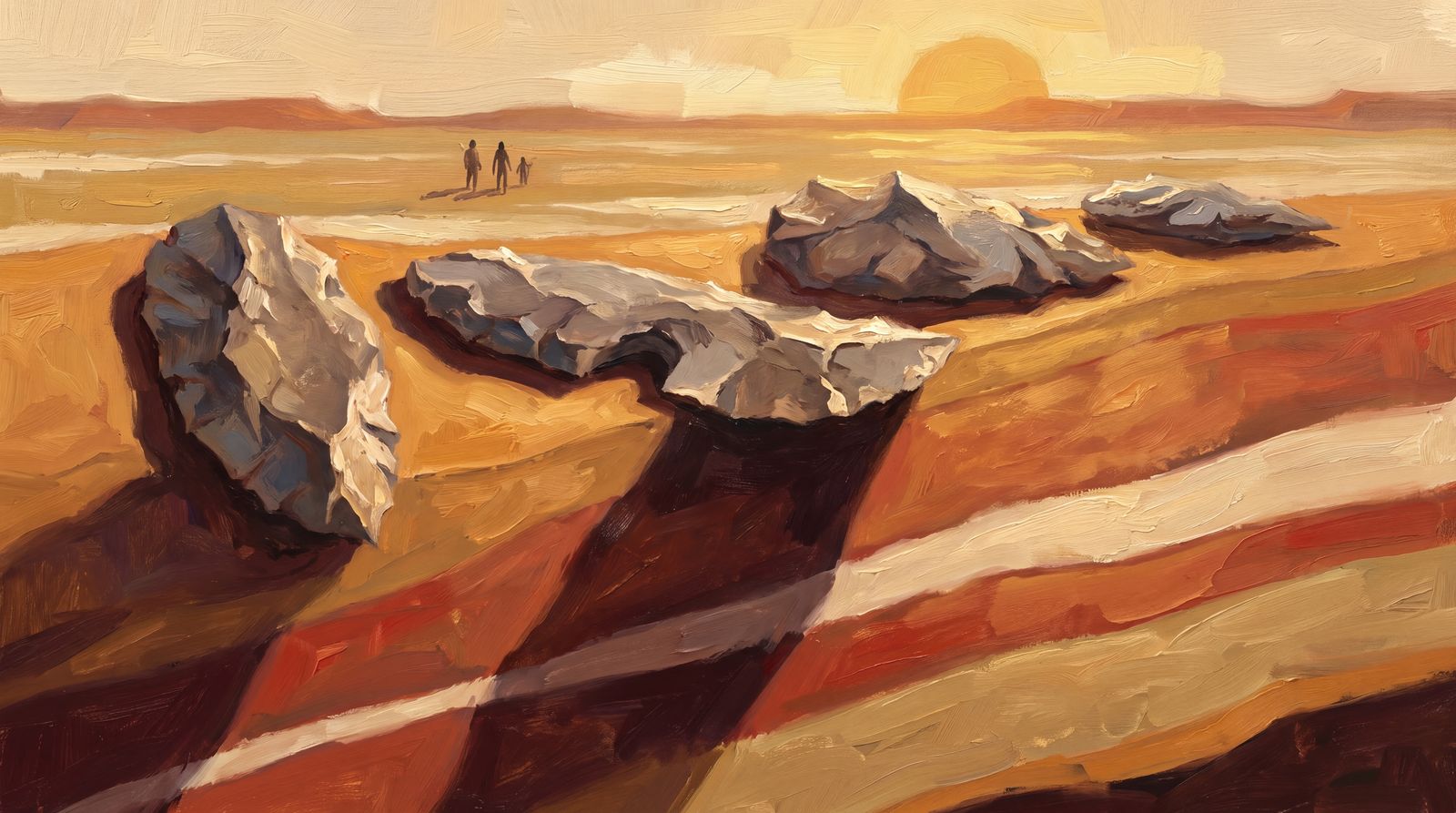
And beside it, something astonishing. Stones, deliberately chipped into simple tools.

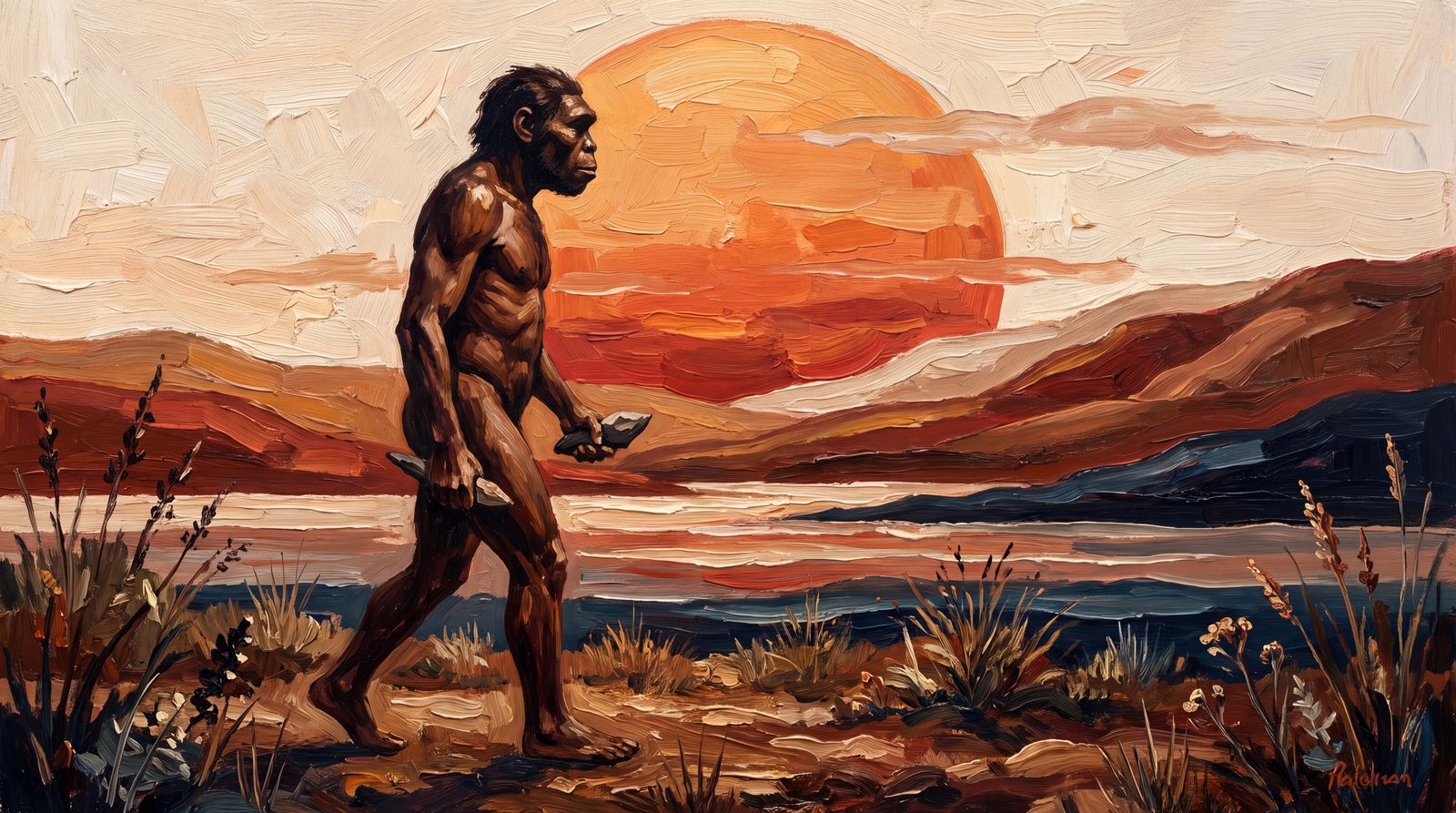
They named this creature Homo habilis, the handy man. One of the earliest members of our own genus, Homo.

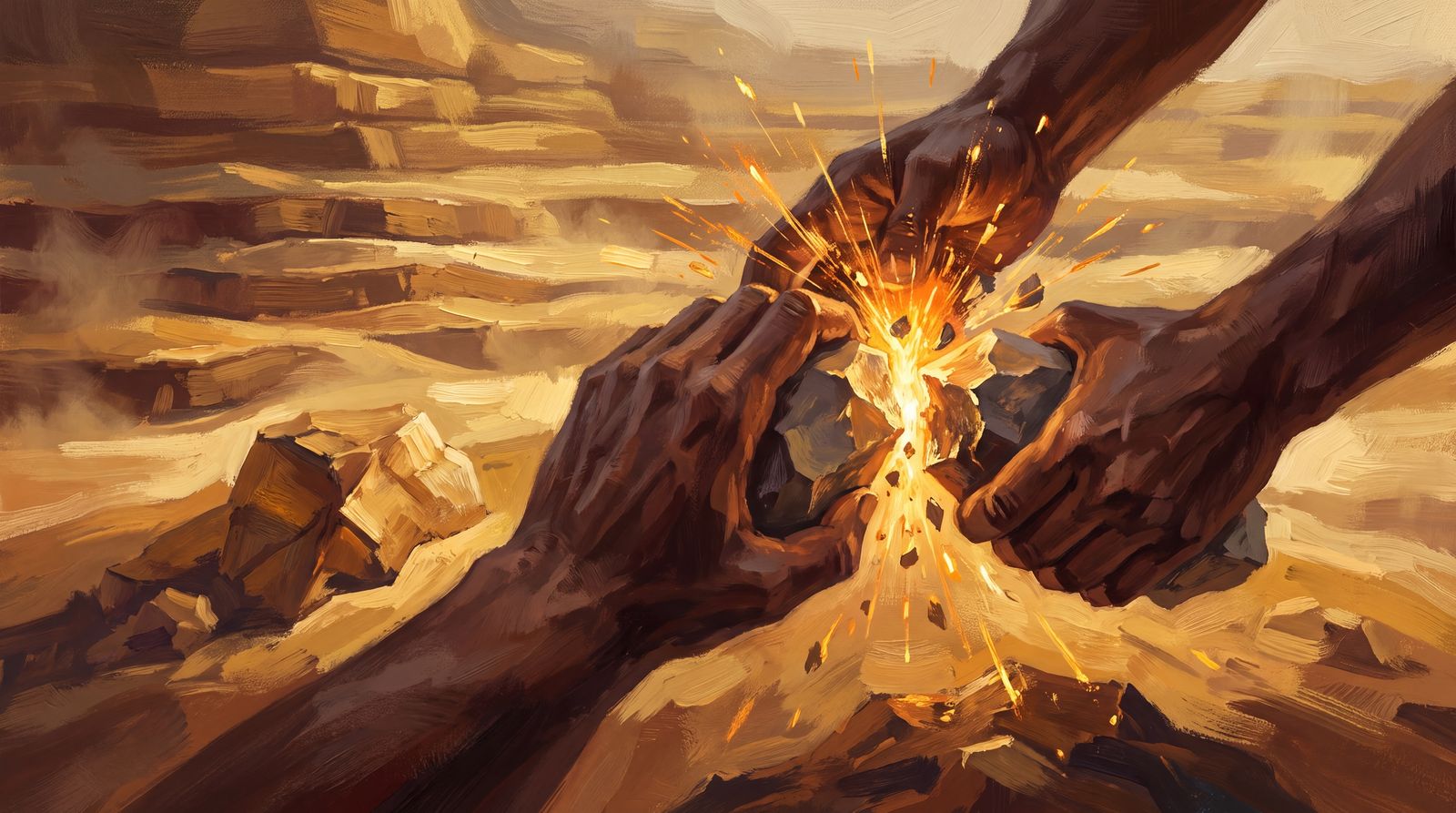
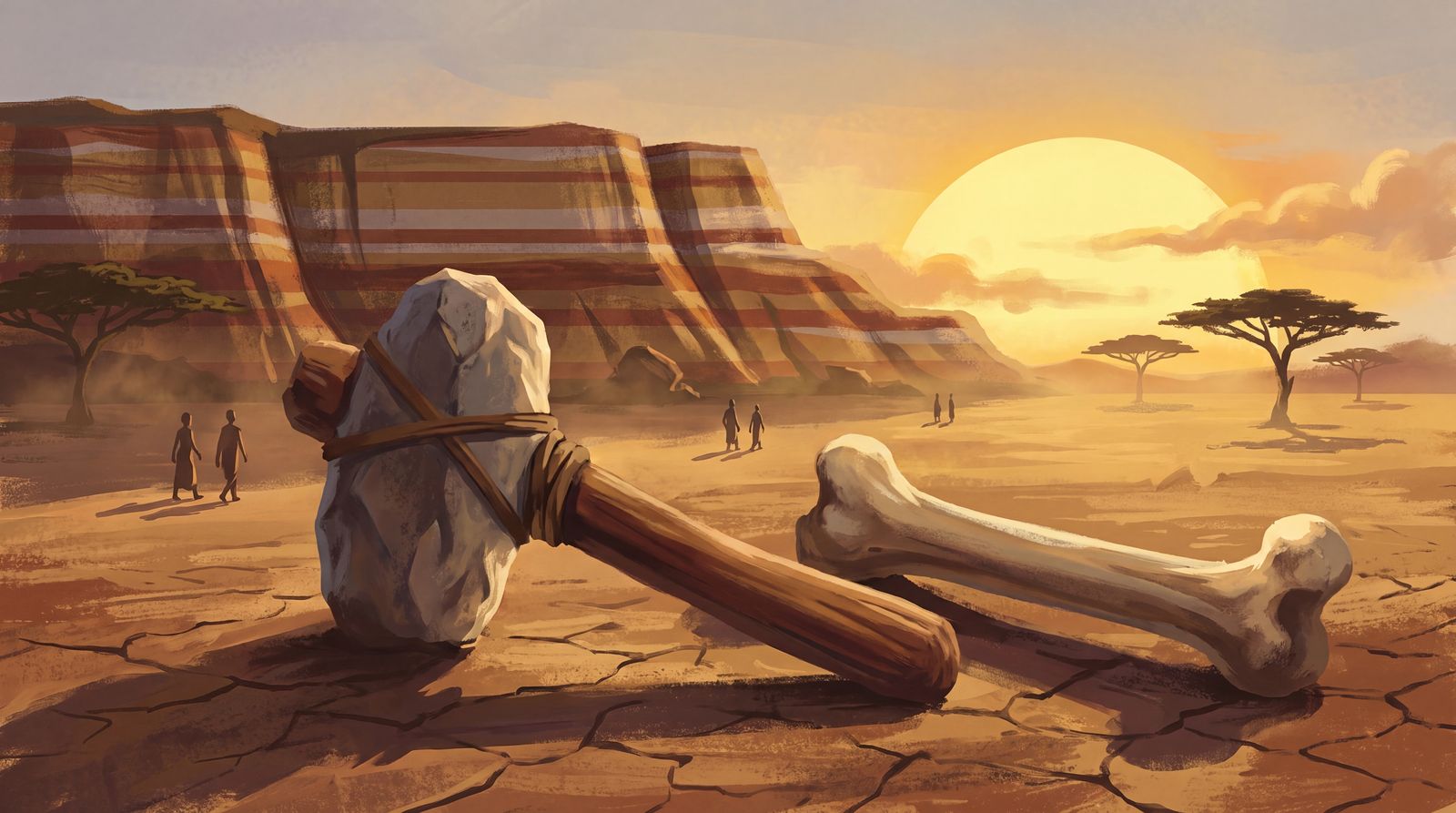
These were the first toolmakers we know of, striking one rock against another to make a sharp cutting edge.

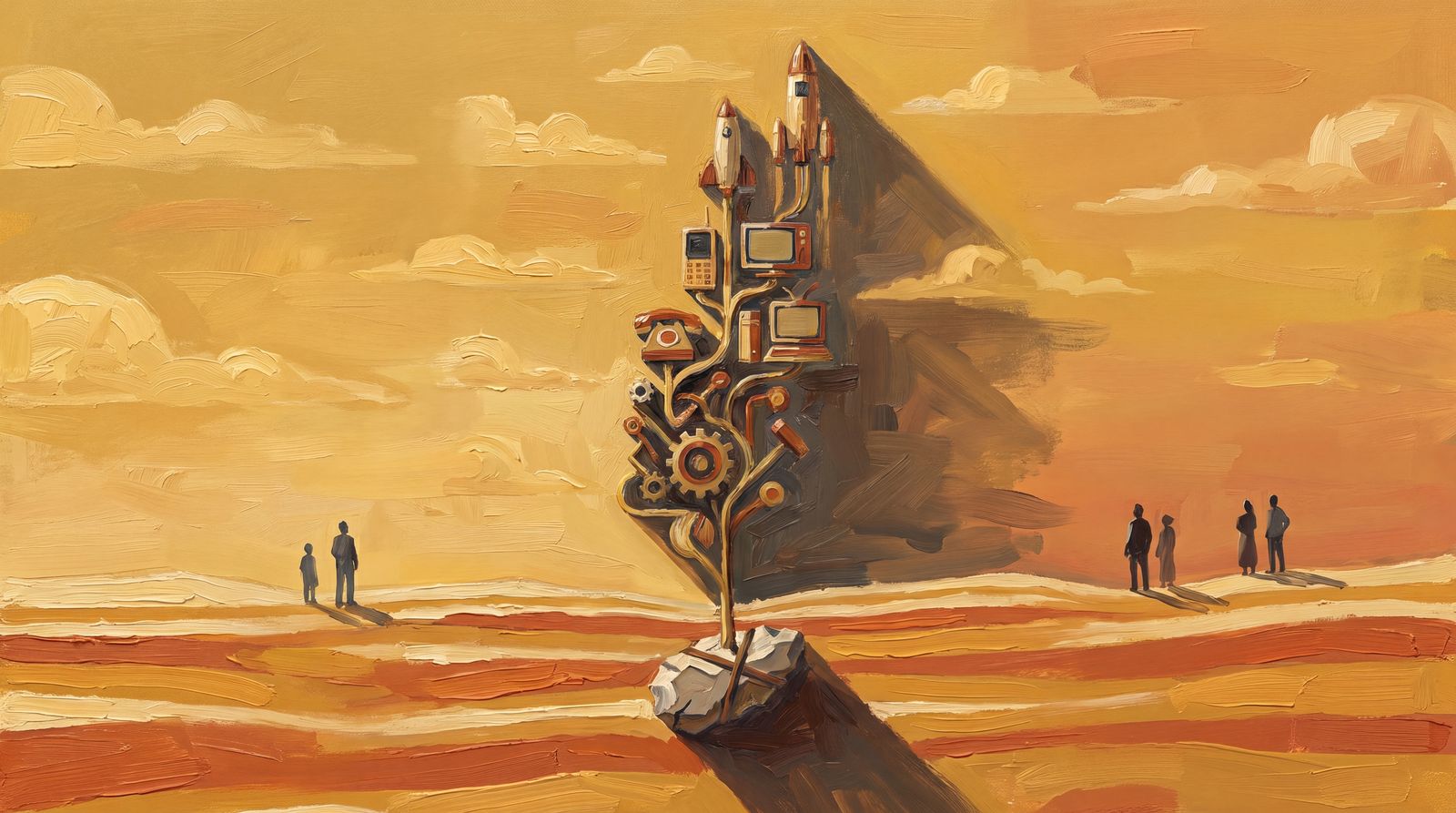
That simple chipped stone is the beginning of all technology. Every machine, every phone, every rocket, traces back to a moment like this, in a gorge like this.

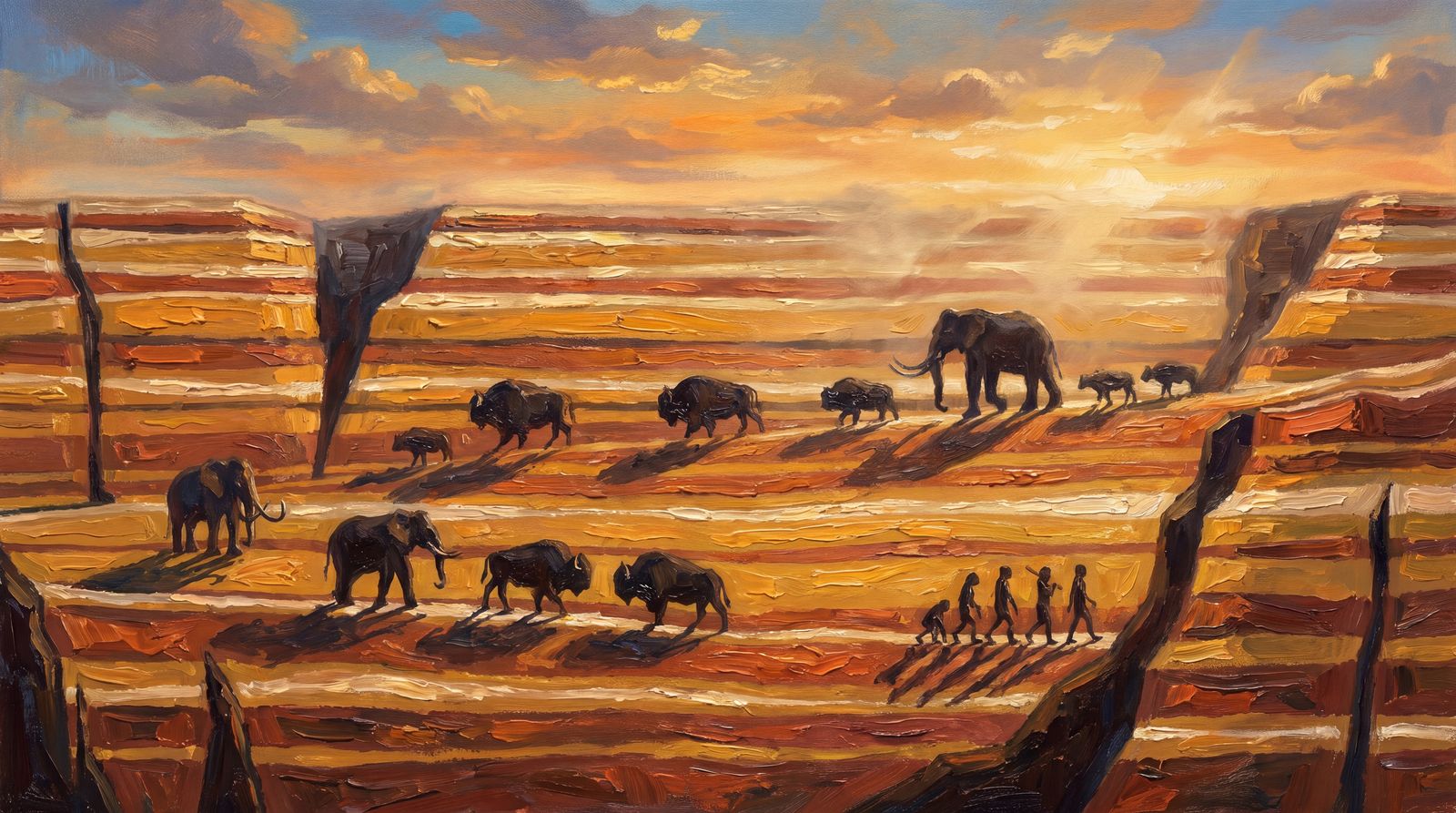
And the gorge kept giving. Layer after layer revealed ancient elephants, giant buffalo, and more of our ancestors, across nearly two million years.

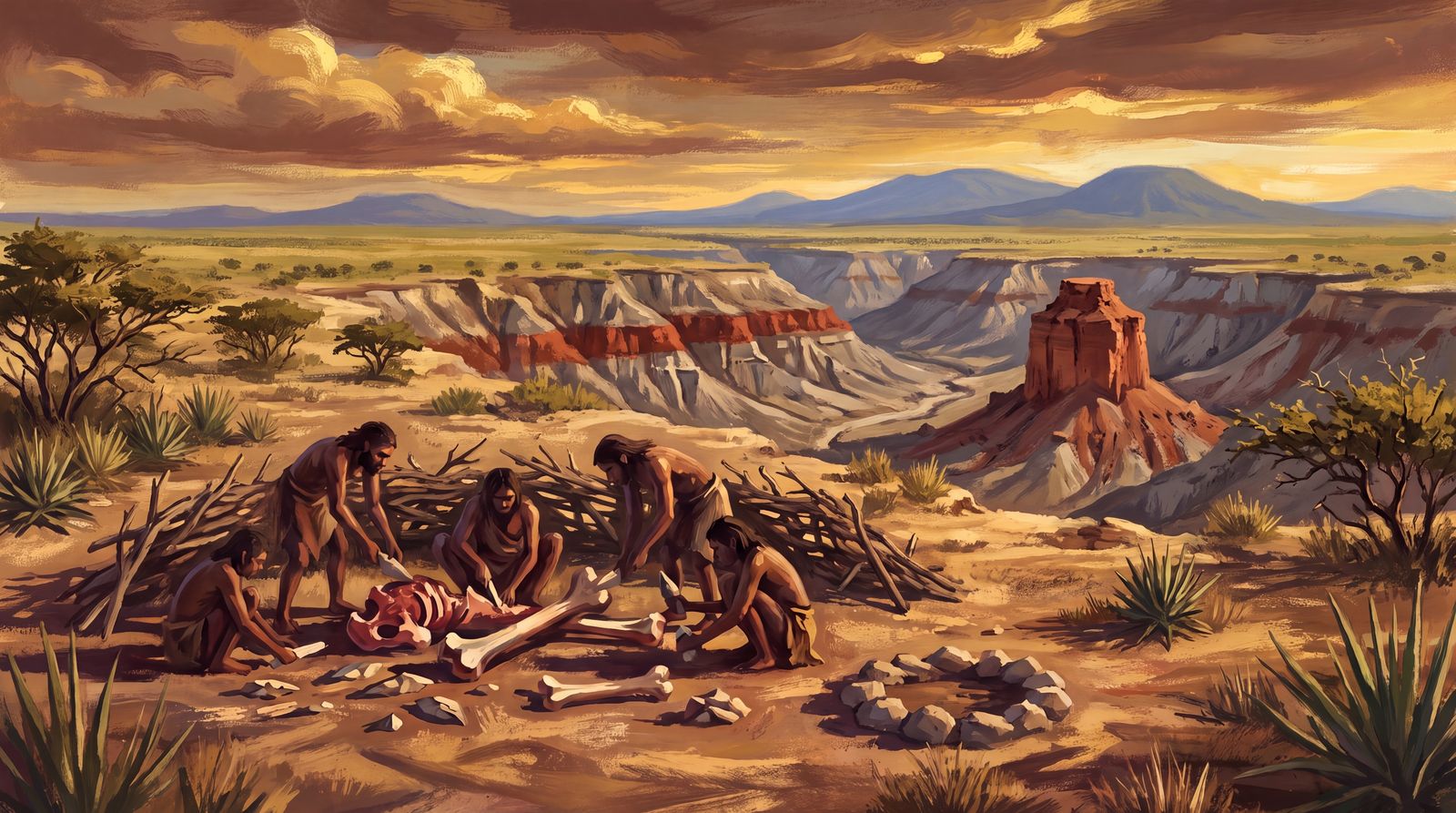
Butchered bones and scattered tools slowly revealed how these early humans lived, and ate, and survived.

It's why Olduvai earned a nickname of its own. The Cradle of Mankind.

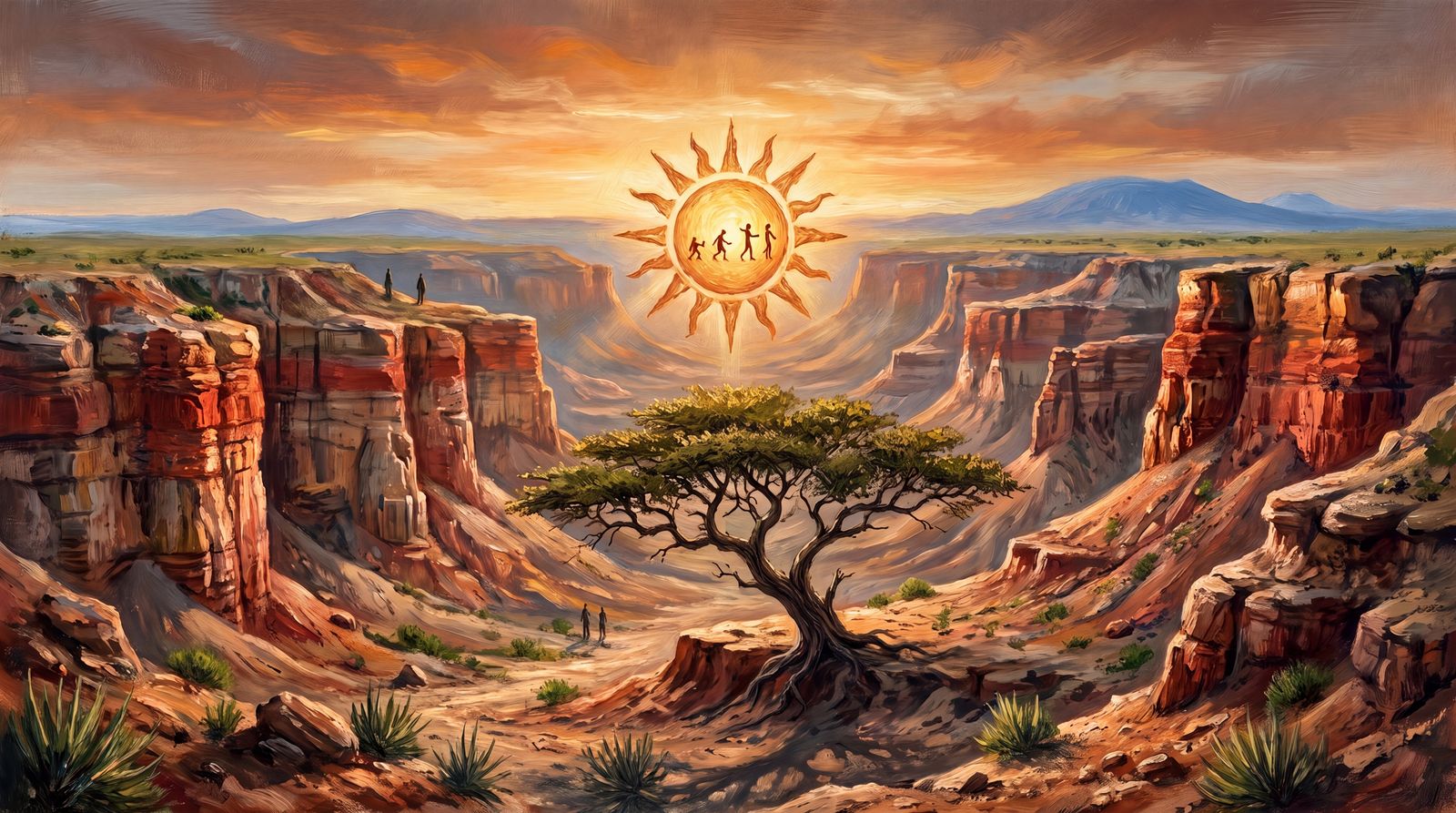
Not because humanity began in this exact gorge, but because here, more than anywhere, we can watch it happening, step by step, written in the rock.

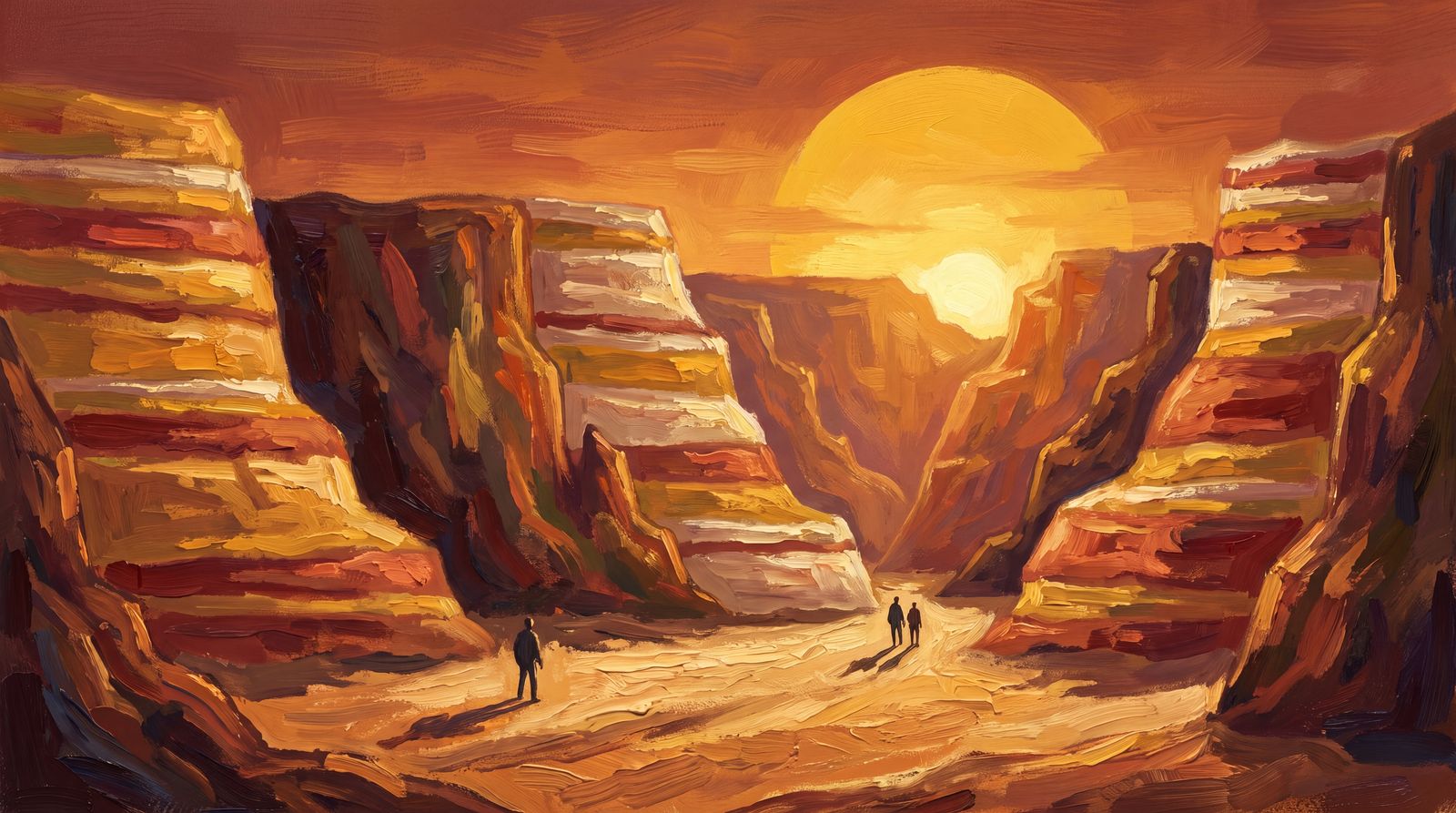
Stand at the edge, and every stripe in the cliff below you is a chapter. The deeper you look, the older, and stranger, our family becomes.

So here's my question for you. If you could pull one thing from those layers, one bone, one tool, one answer, what would you most want to know about your oldest ancestors? Tell me in the comments. I read them.

This has been a deep dive from our Tanzania story, the land where humanity began. Subscribe, and I'll take you further in.
There is a ravine in the plains of Tanzania where you can look at the walls and read nearly two million years of the story of becoming human. Layer by layer, like the pages of a book written in stone, it holds the bones and tools of our ancestors, stacked in order, oldest at the bottom. More than almost anywhere on Earth, this is the place where we found out who we used to be. This is Dunia Docs. The real places behind the world's greatest stories. This is Olduvai Gorge, cut into the edge of the Serengeti. A dry, striped canyon about fifty kilometres long, and one of the most important places in all of science. So what makes this gorge so special? And what did we find here that changed everything? Stick with me. And if you love the story of where we came from, tap subscribe. It's free. Its real name is Oldupai, after a wild sisal plant that grows here. For a century, the world has called it Olduvai by mistake. The gorge was carved by an ancient river, slicing down through layers of volcanic ash and old lake bed. And because those ash layers can be dated, the gorge became a natural clock. Dig down, and you travel back in time. For decades, two scientists gave their lives to this place. Louis and Mary Leakey. They searched these slopes year after year, often finding almost nothing. Then, in 1959, Mary Leakey spotted teeth in the dirt. They belonged to a heavy-jawed, small-brained relative we now nickname Nutcracker Man, for his enormous molars. It was nearly two million years old, and it made headlines around the world. But the bigger discovery was still to come. Soon after, the Leakeys found something else in the same gorge. A different creature, with a larger brain and lighter jaws. And beside it, something astonishing. Stones, deliberately chipped into simple tools. They named this creature Homo habilis, the handy man. One of the earliest members of our own genus, Homo. These were the first toolmakers we know of, striking one rock against another to make a sharp cutting edge. That simple chipped stone is the beginning of all technology. Every machine, every phone, every rocket, traces back to a moment like this, in a gorge like this. And the gorge kept giving. Layer after layer revealed ancient elephants, giant buffalo, and more of our ancestors, across nearly two million years. Butchered bones and scattered tools slowly revealed how these early humans lived, and ate, and survived. It's why Olduvai earned a nickname of its own. The Cradle of Mankind. Not because humanity began in this exact gorge, but because here, more than anywhere, we can watch it happening, step by step, written in the rock. Stand at the edge, and every stripe in the cliff below you is a chapter. The deeper you look, the older, and stranger, our family becomes. So here's my question for you. If you could pull one thing from those layers, one bone, one tool, one answer, what would you most want to know about your oldest ancestors? Tell me in the comments. I read them. This has been a deep dive from our Tanzania story, the land where humanity began. Subscribe, and I'll take you further in.