
Where Humanity Begins · Episode 5 of 5 · 3:53
The Snows of Kilimanjaro Are Vanishing
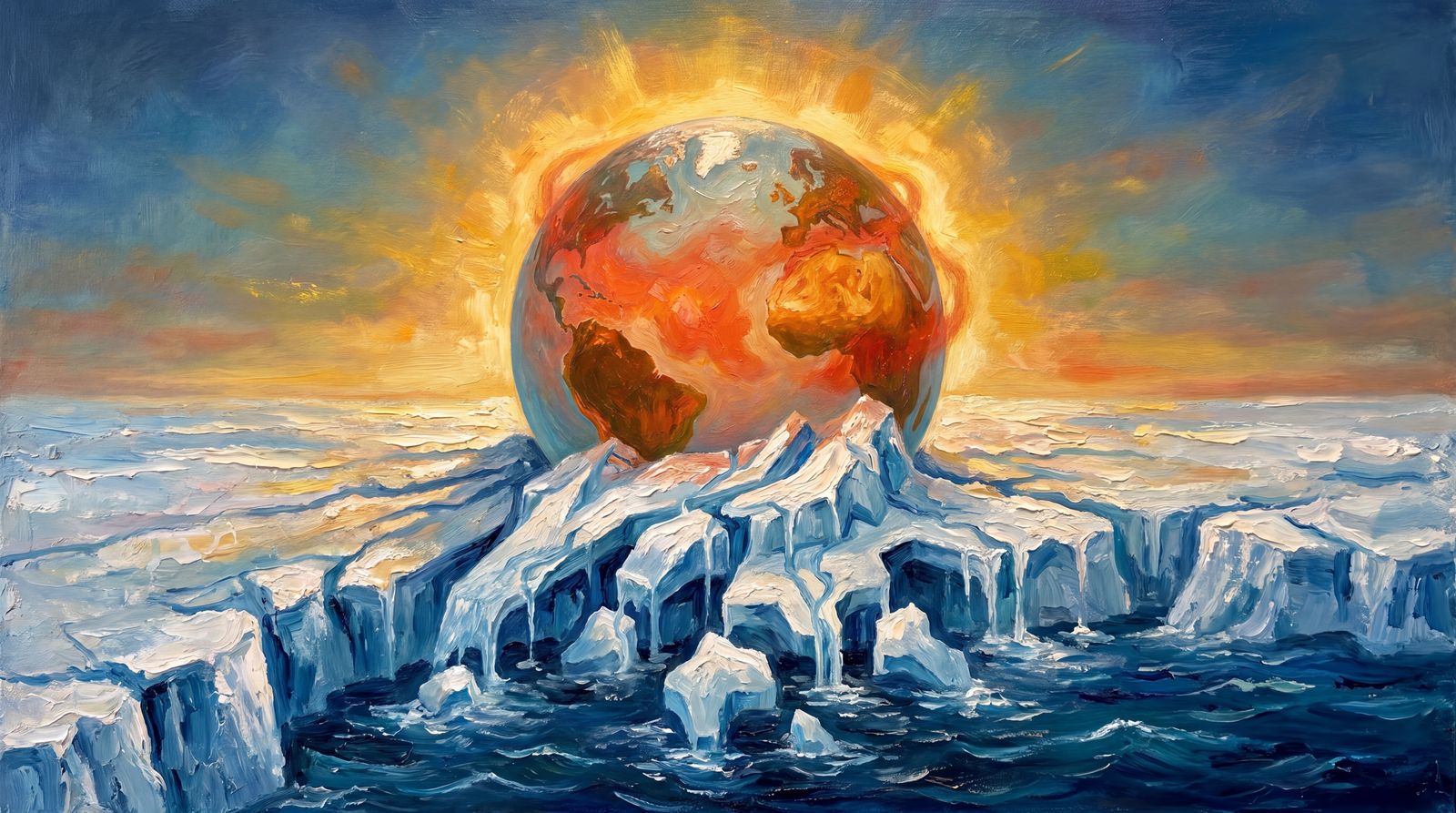
Just south of the equator, on the roof of Africa, a crown of ancient ice has survived for nearly 12,000 years — and in our lifetime it is disappearing. Between 1912 and 2011, Kilimanjaro lost about 85% of its glacier area, and what remains may be gone within a few decades. Warming is only part of the story: since the late nineteenth century, moist air from the Indian Ocean has reached the mountain less often, leaving less snow to replenish the ice — which is lost both to melting and to sublimation, turning straight into water vapour. A deep dive from our Tanzania story.
 Watch on YouTube
The episode, frame by frame
29 frames, one painted frame per line.

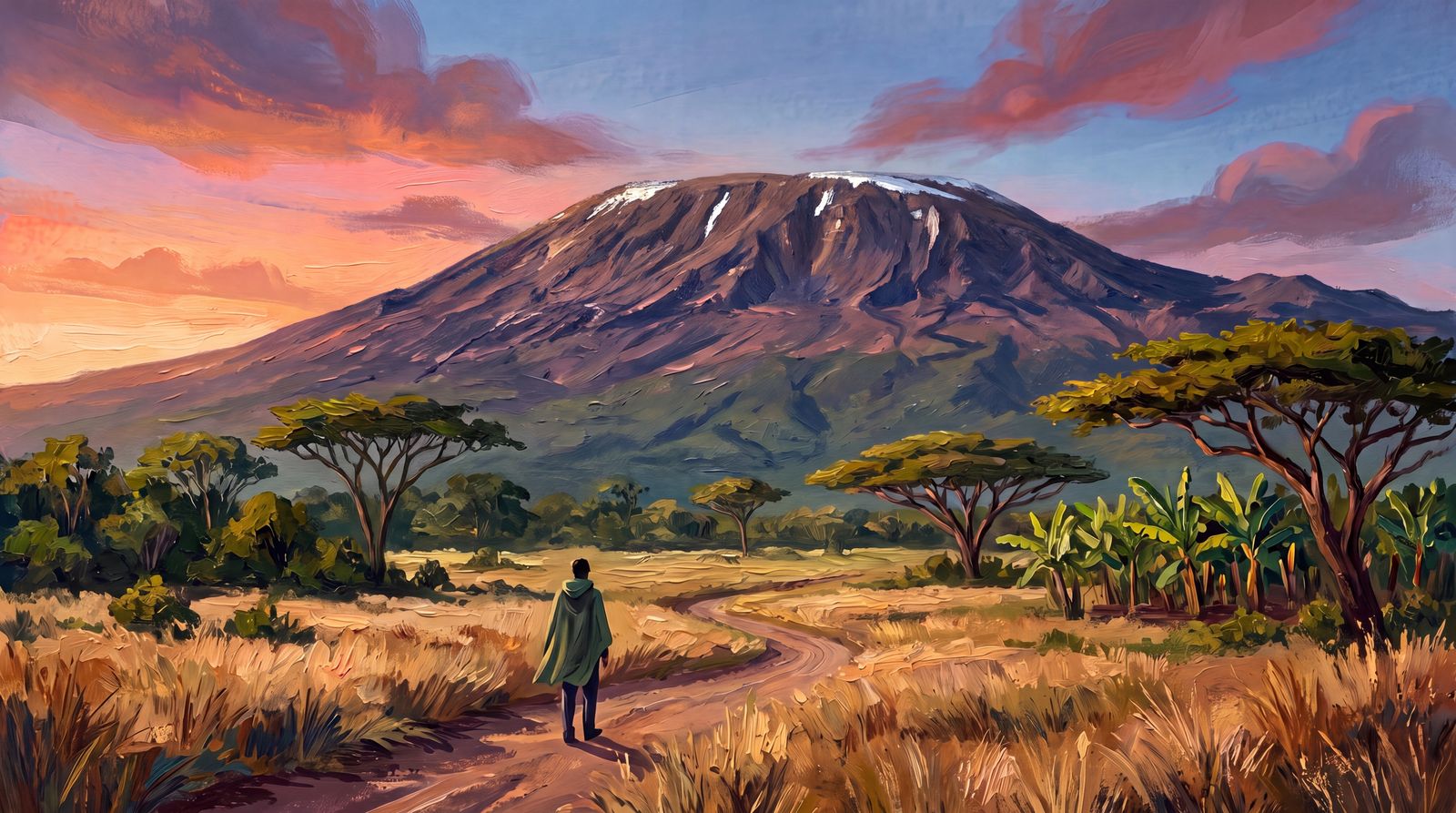
The Snows of Kilimanjaro Are Vanishing
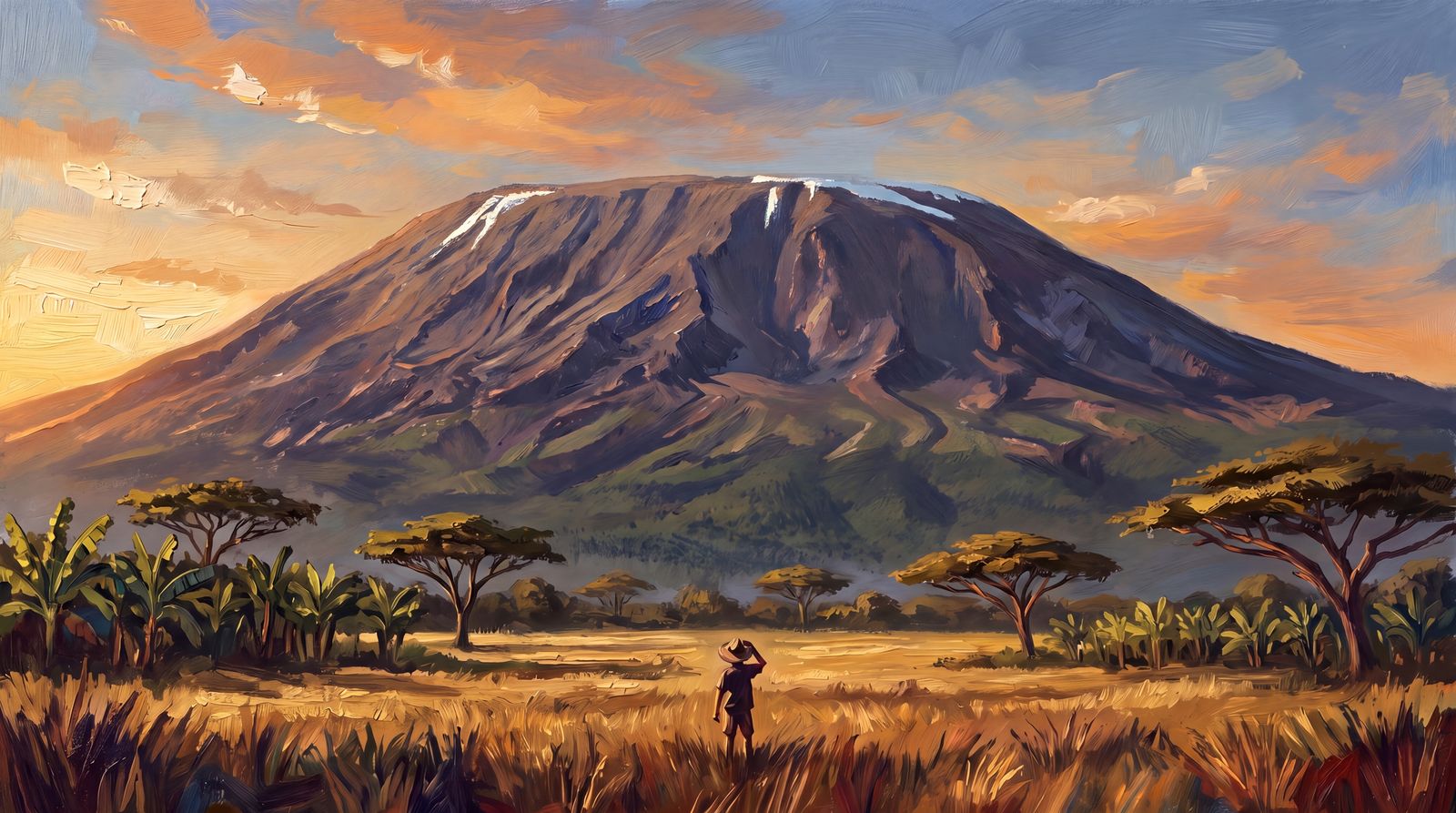
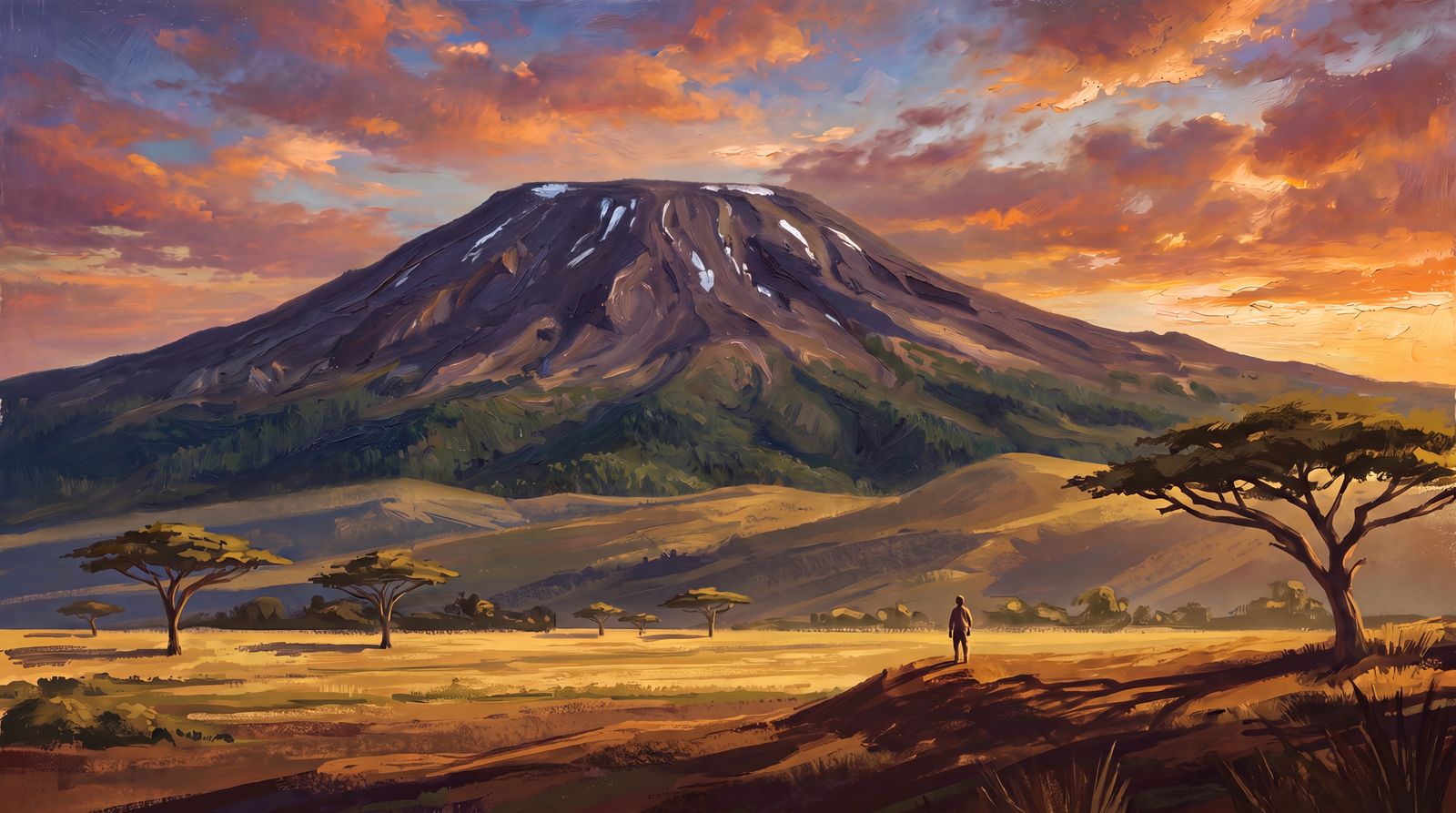
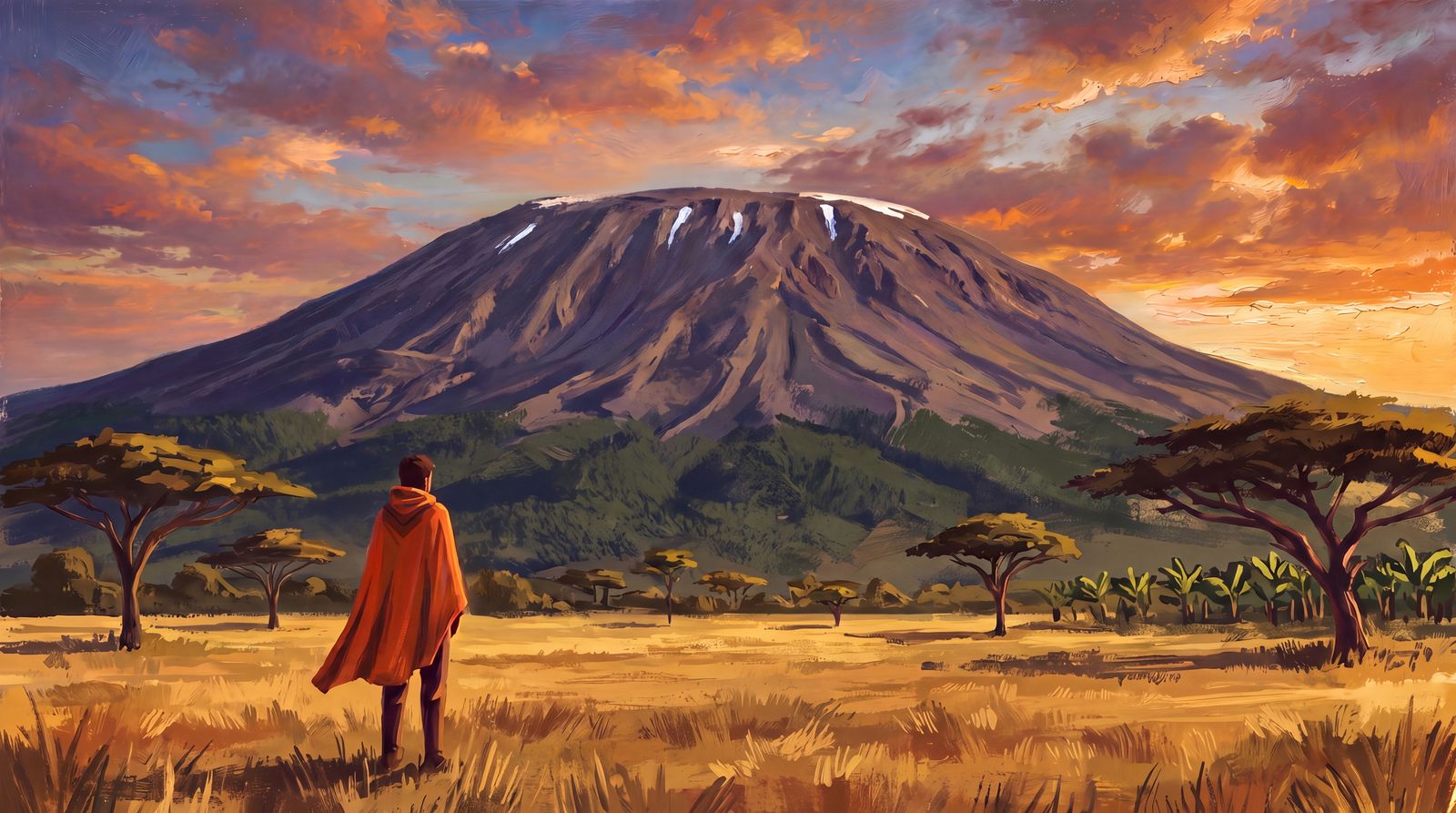
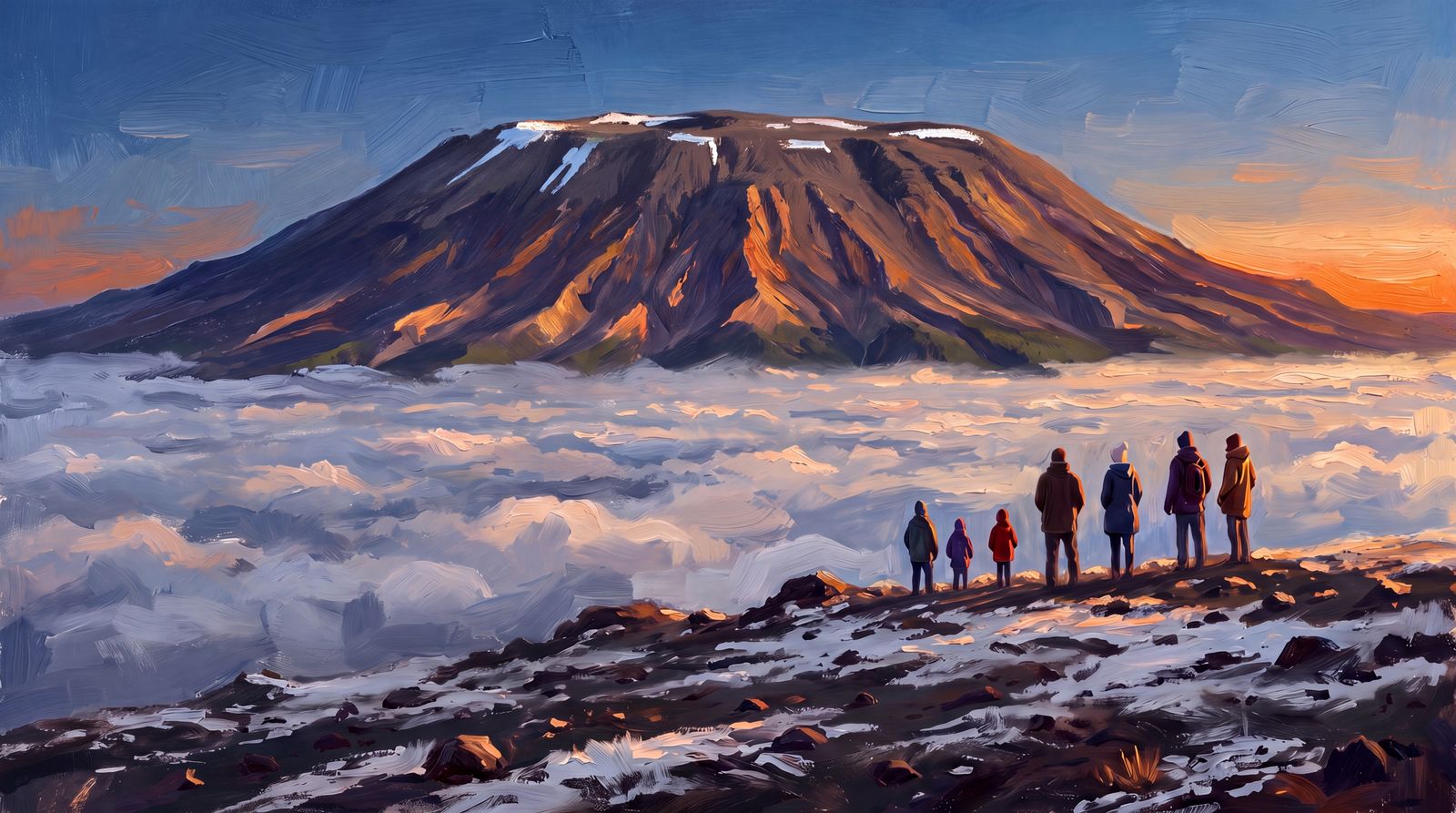
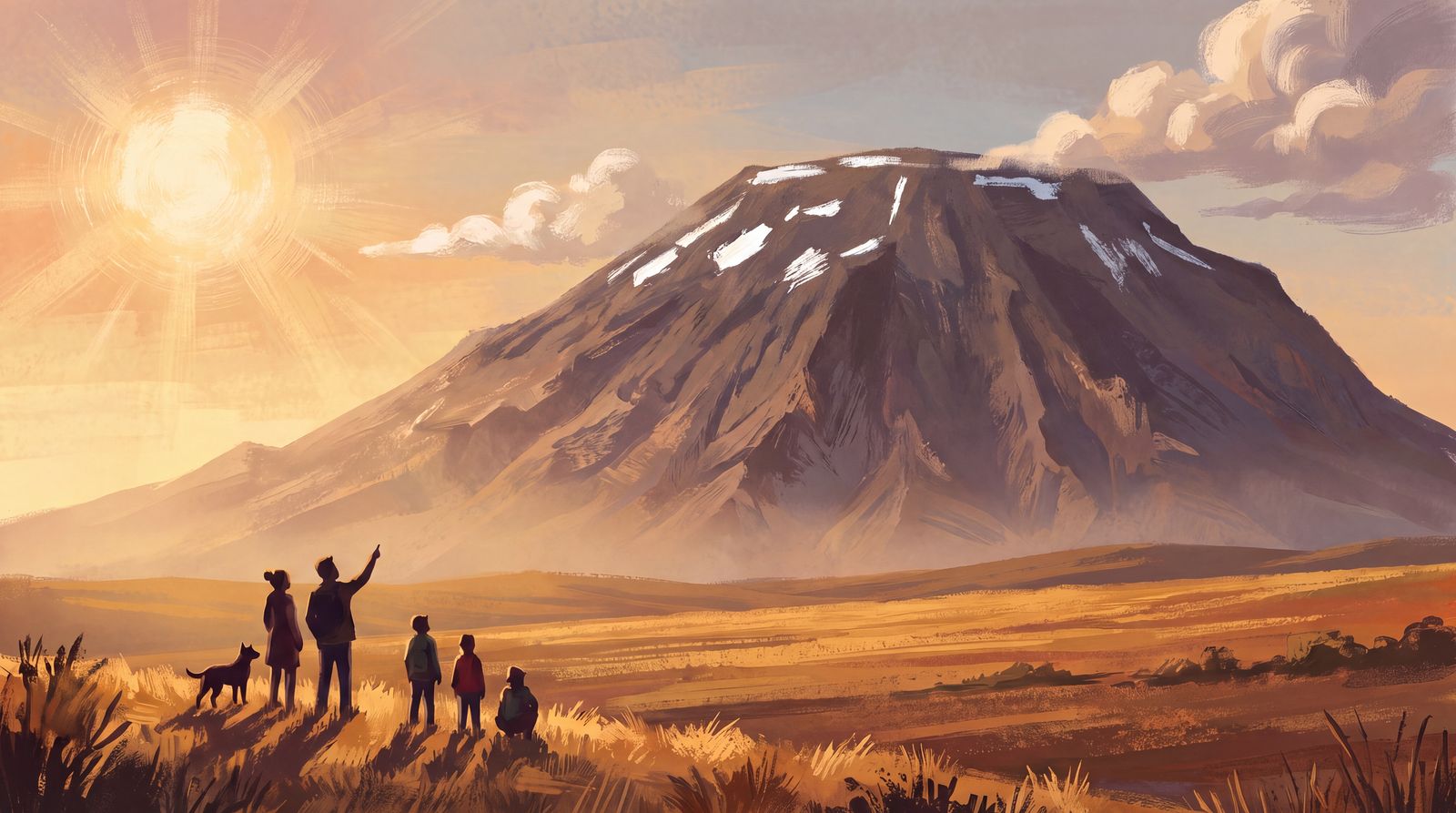
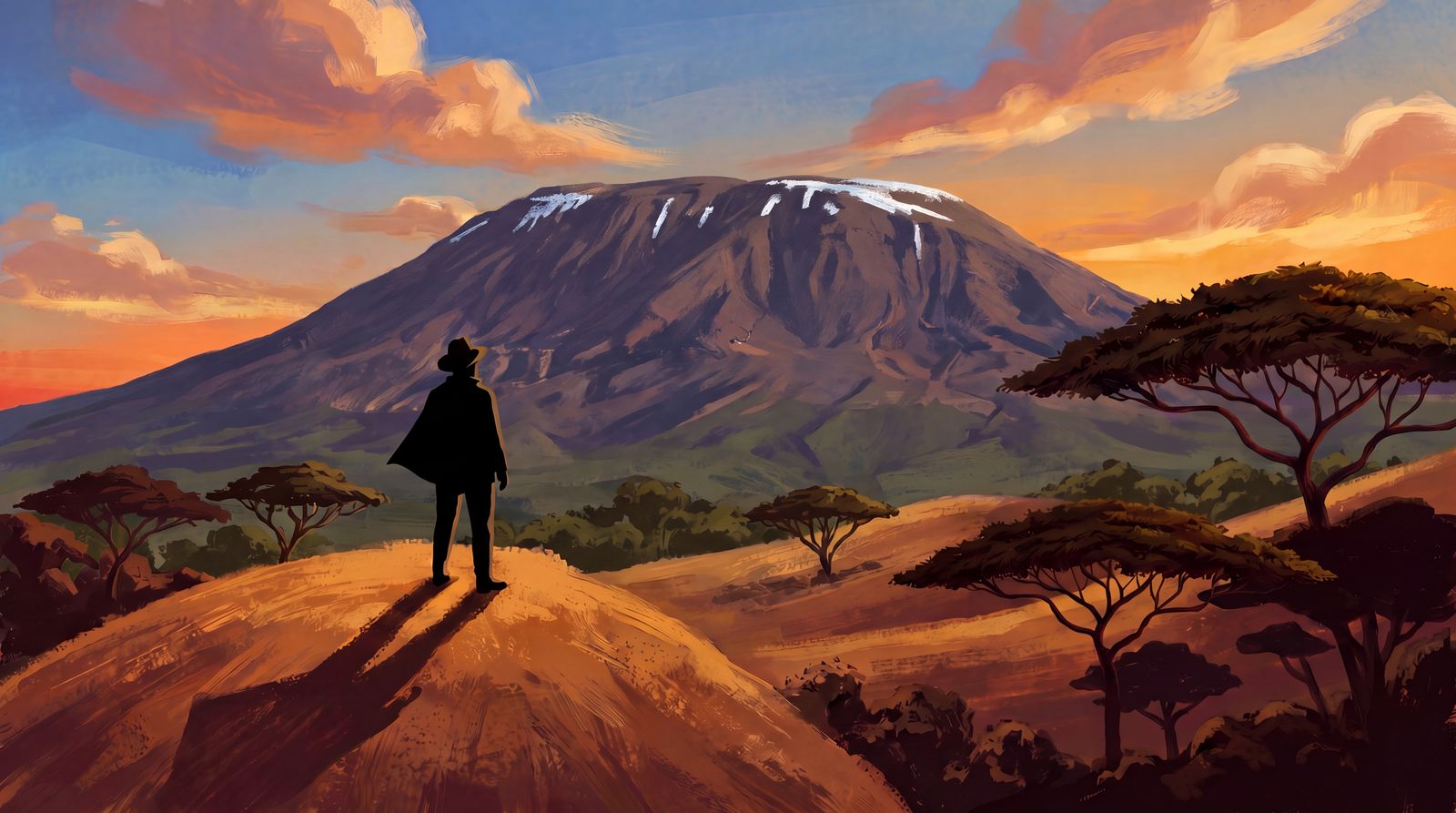
Just south of the equator, on the roof of Africa, there is a crown of ancient ice that has survived for almost twelve thousand years. And in our lifetime, it is disappearing.

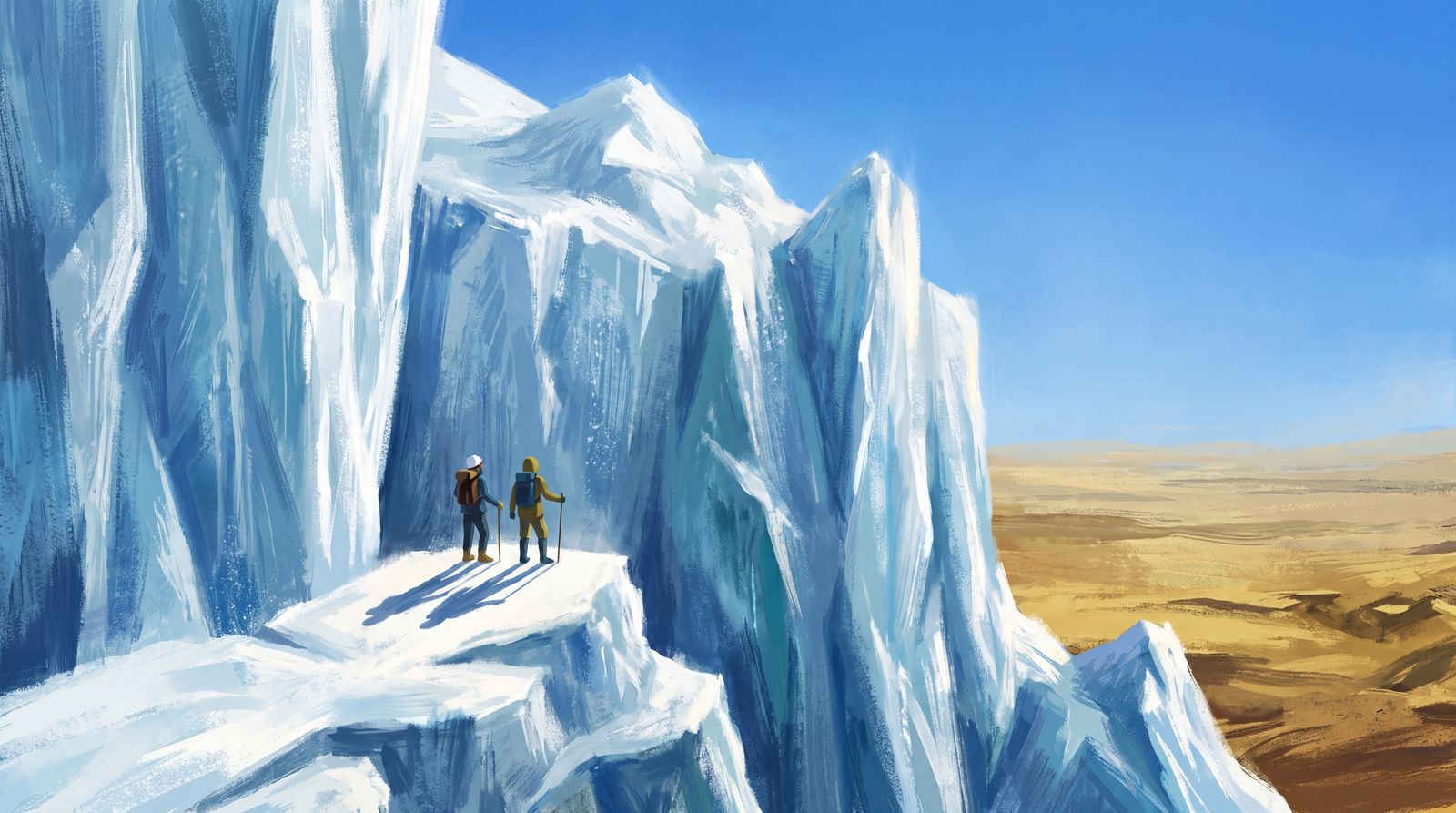
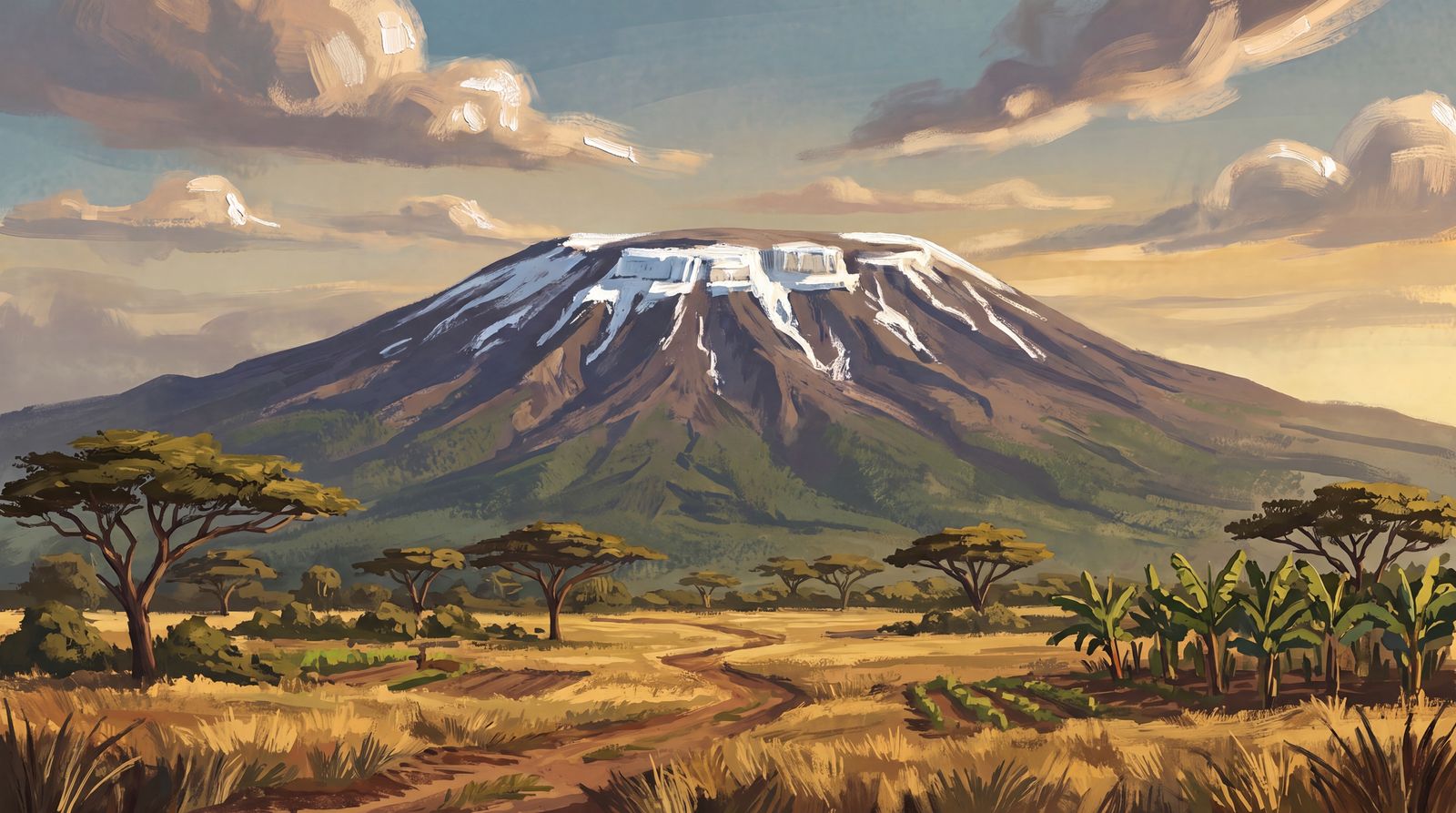
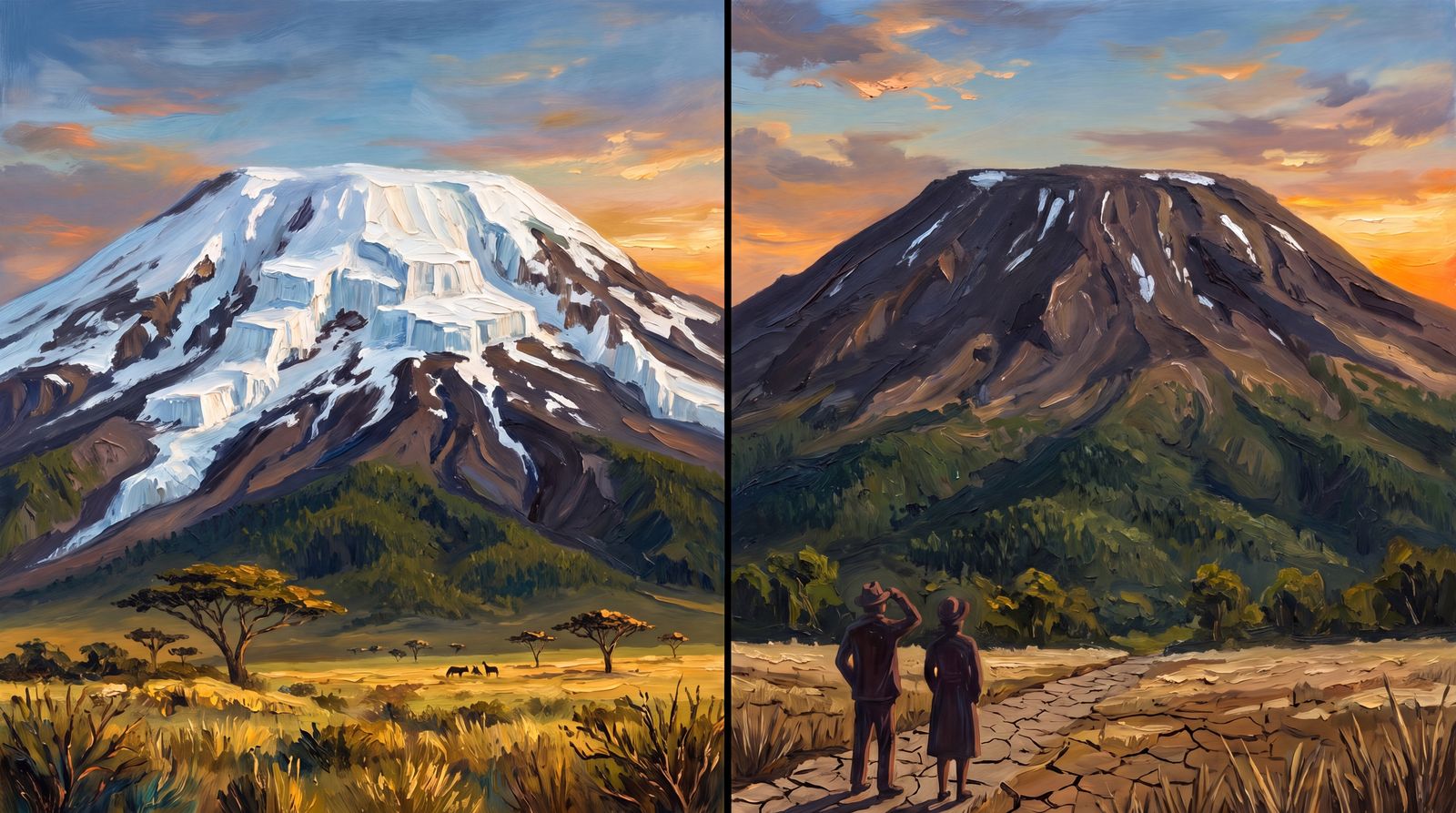
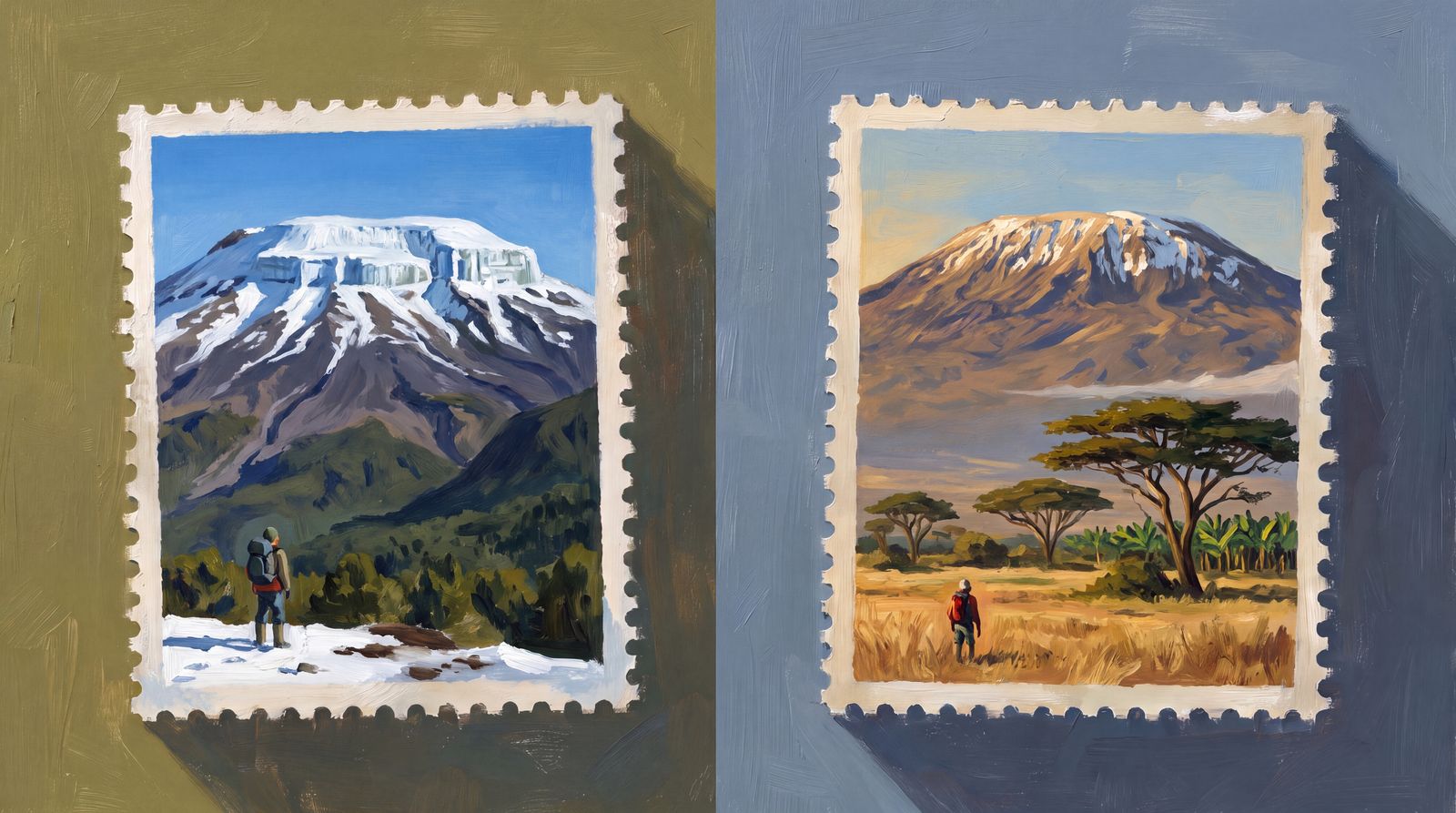
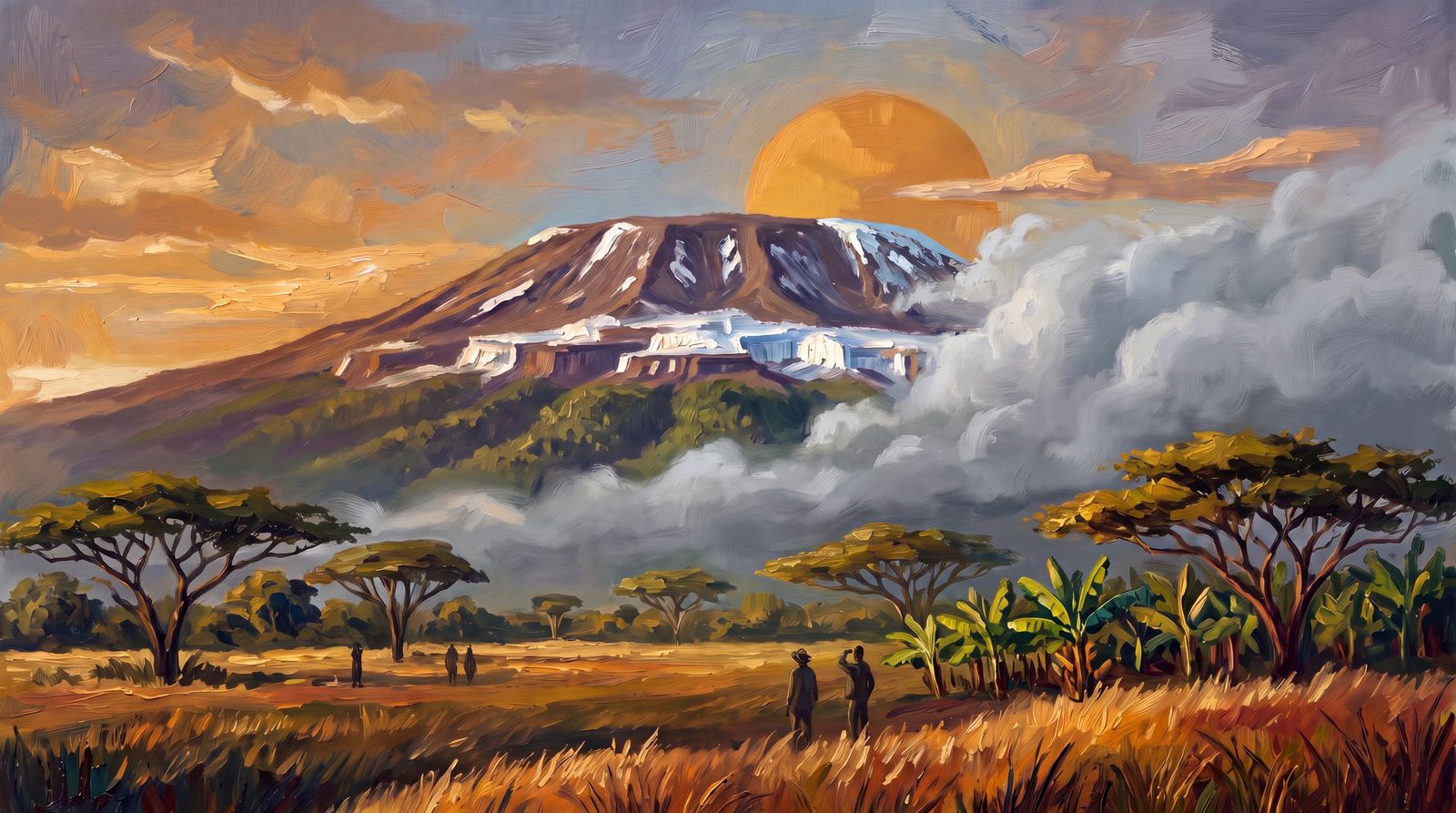
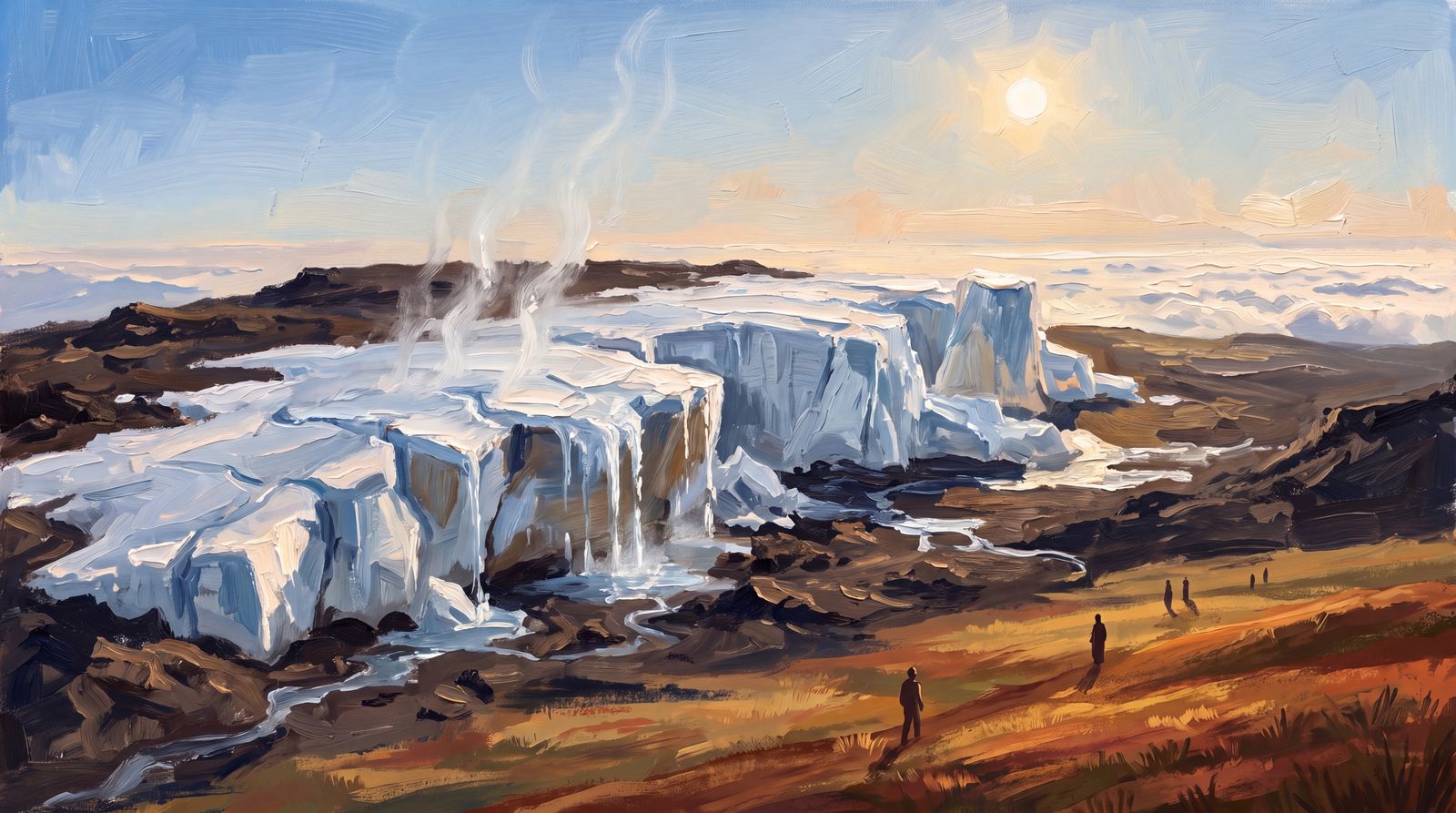
When the first climbers reached the top of Kilimanjaro, its summit was buried in glaciers, great walls and towers of ice gleaming above the plains of Tanzania.

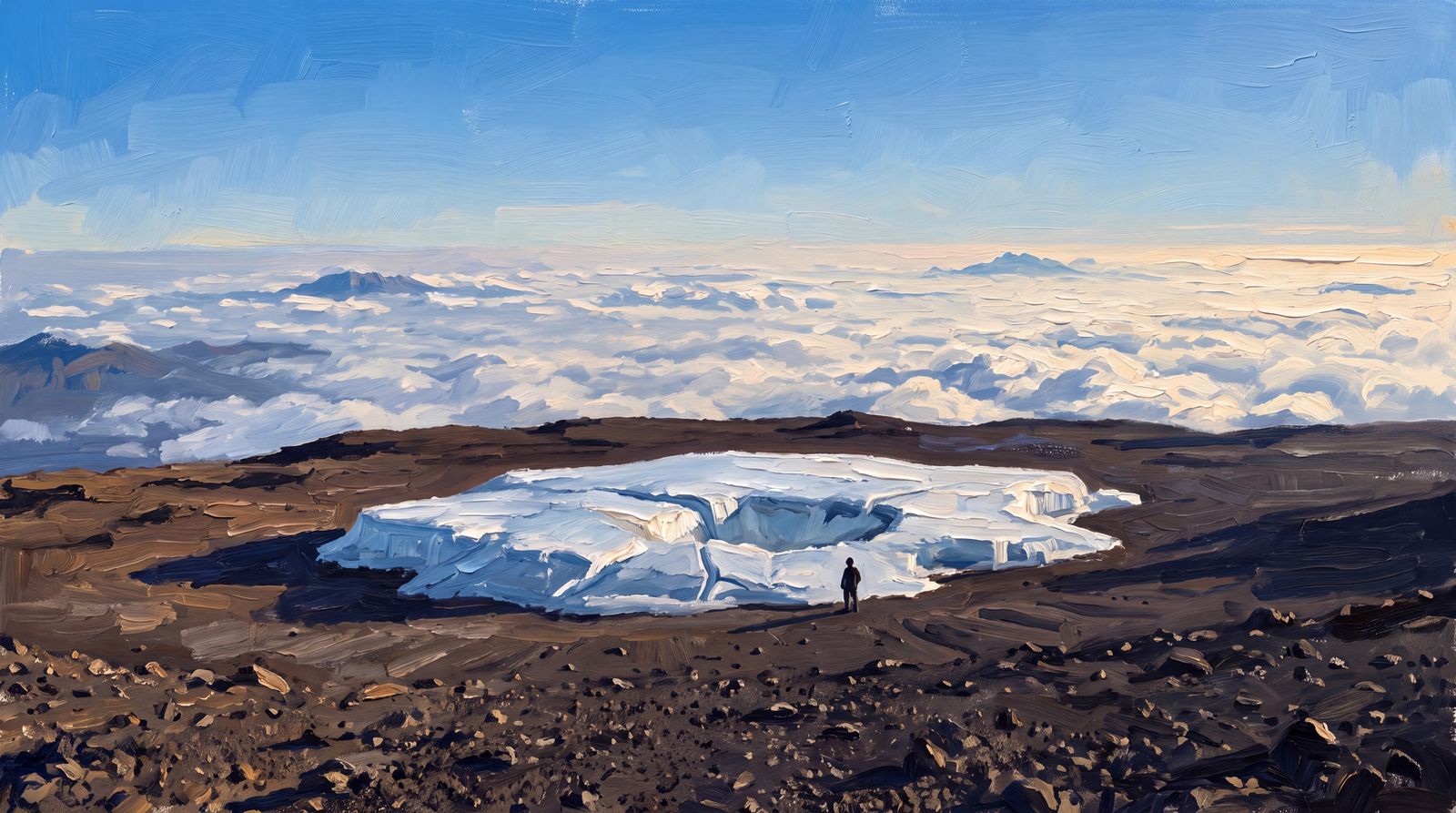
Today, most of that ice is simply gone. And what remains may vanish within a few decades.

This is Dunia Docs. The real places behind the world's greatest stories.

This is the story of the snows of Kilimanjaro, and why they are melting away.

So how did ice this old survive so close to the equator? And why is it dying now?

Stick with me. And if you care about what we're about to lose, tap subscribe. It's free.

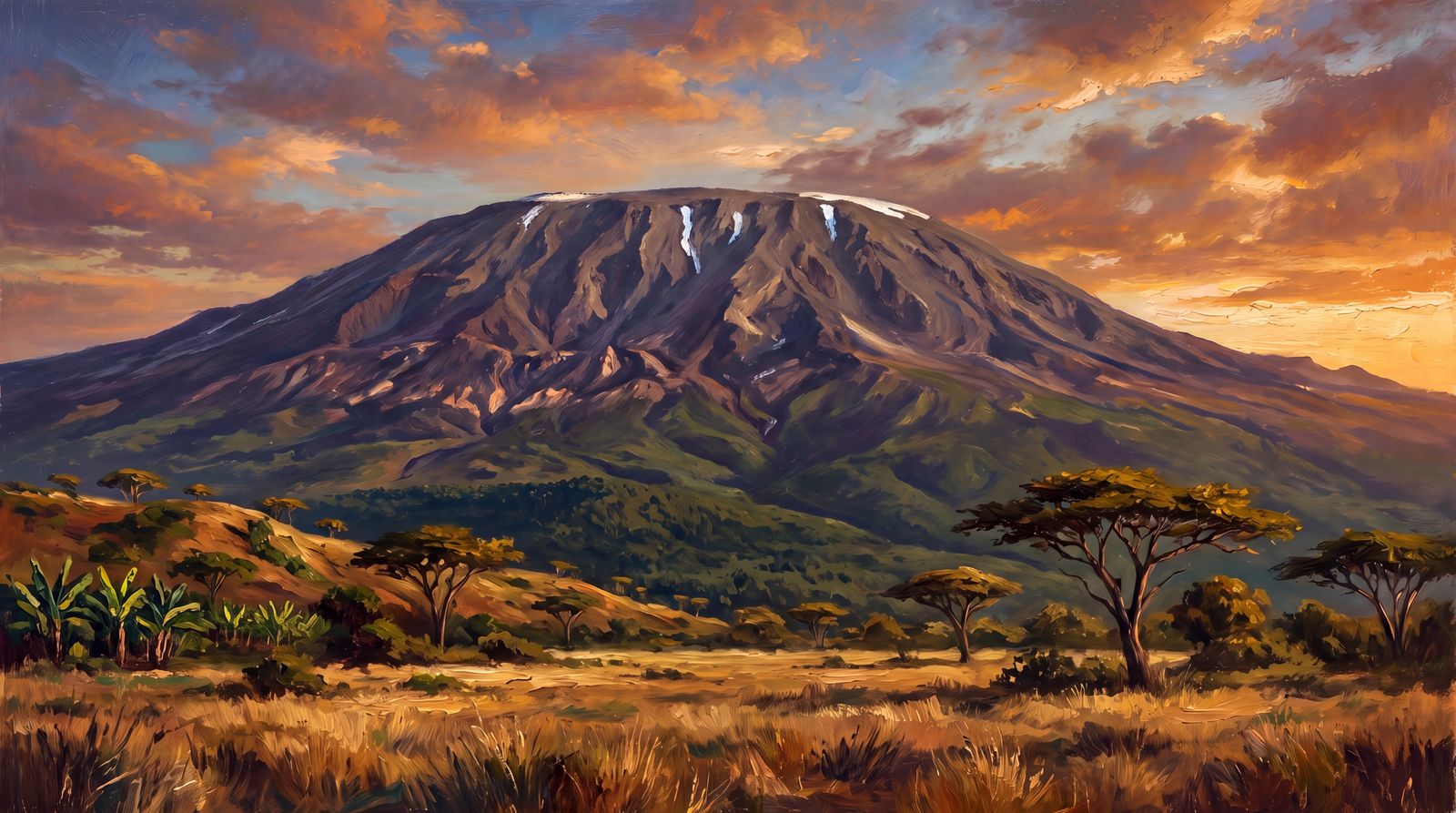
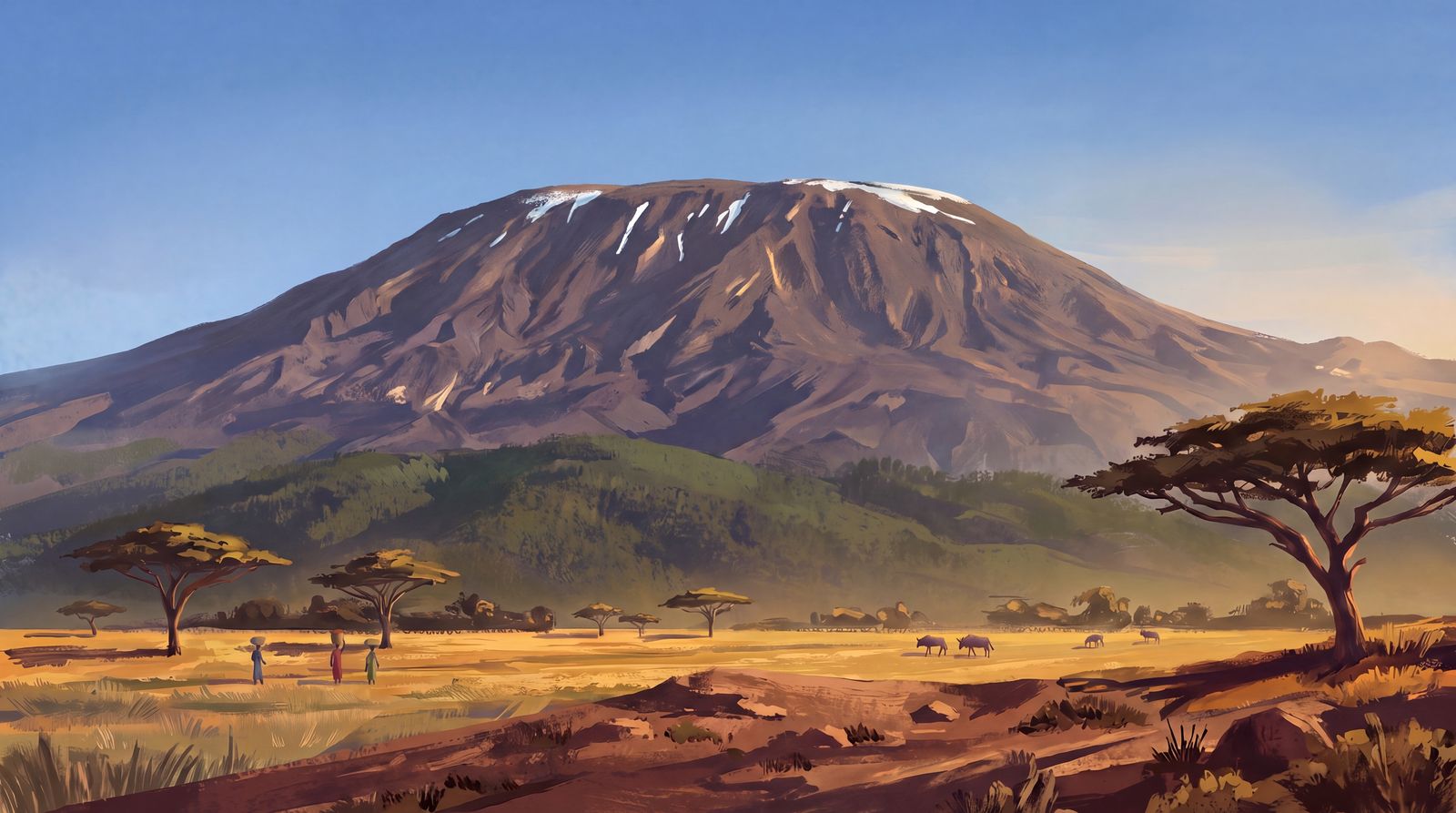
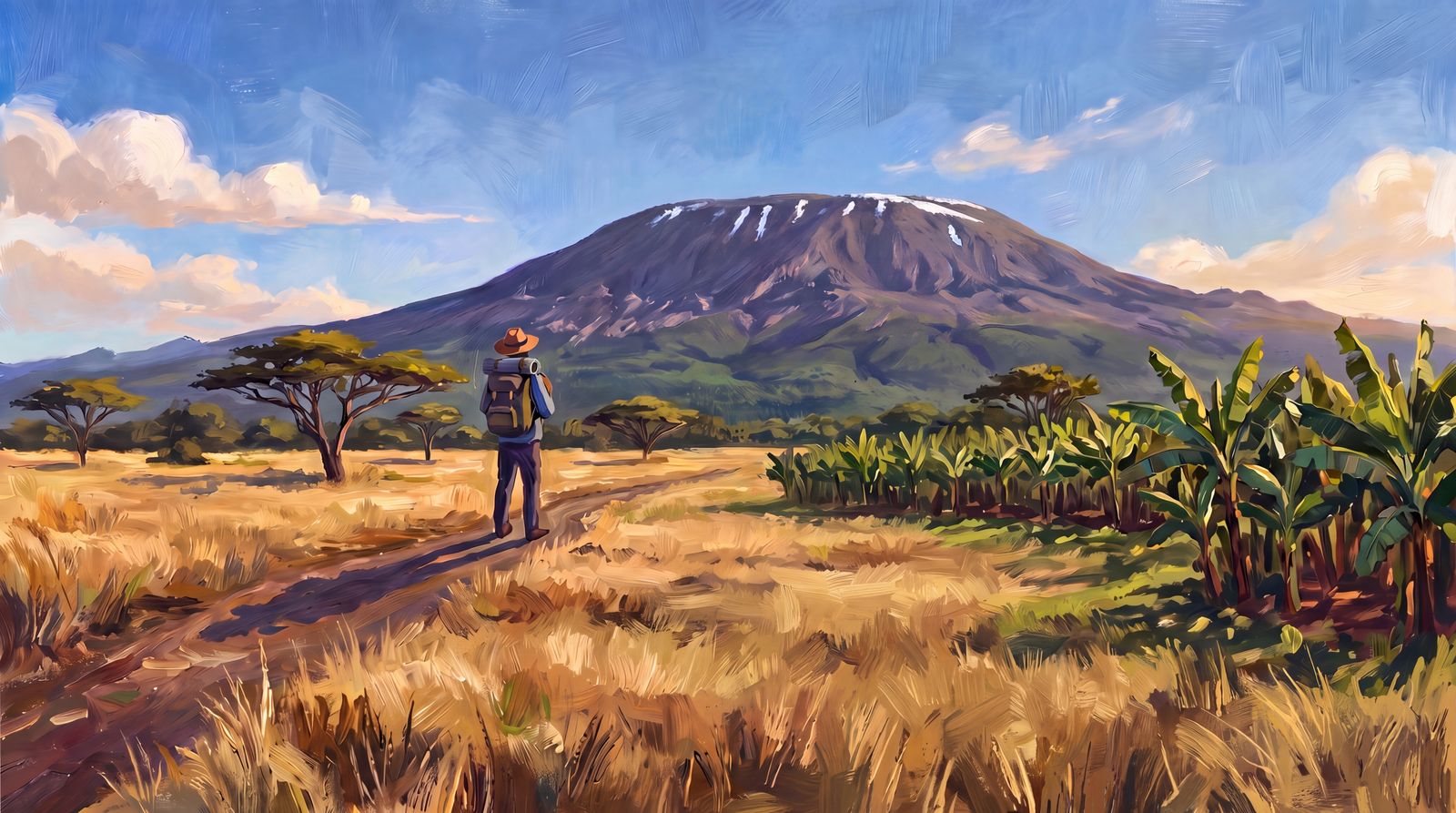
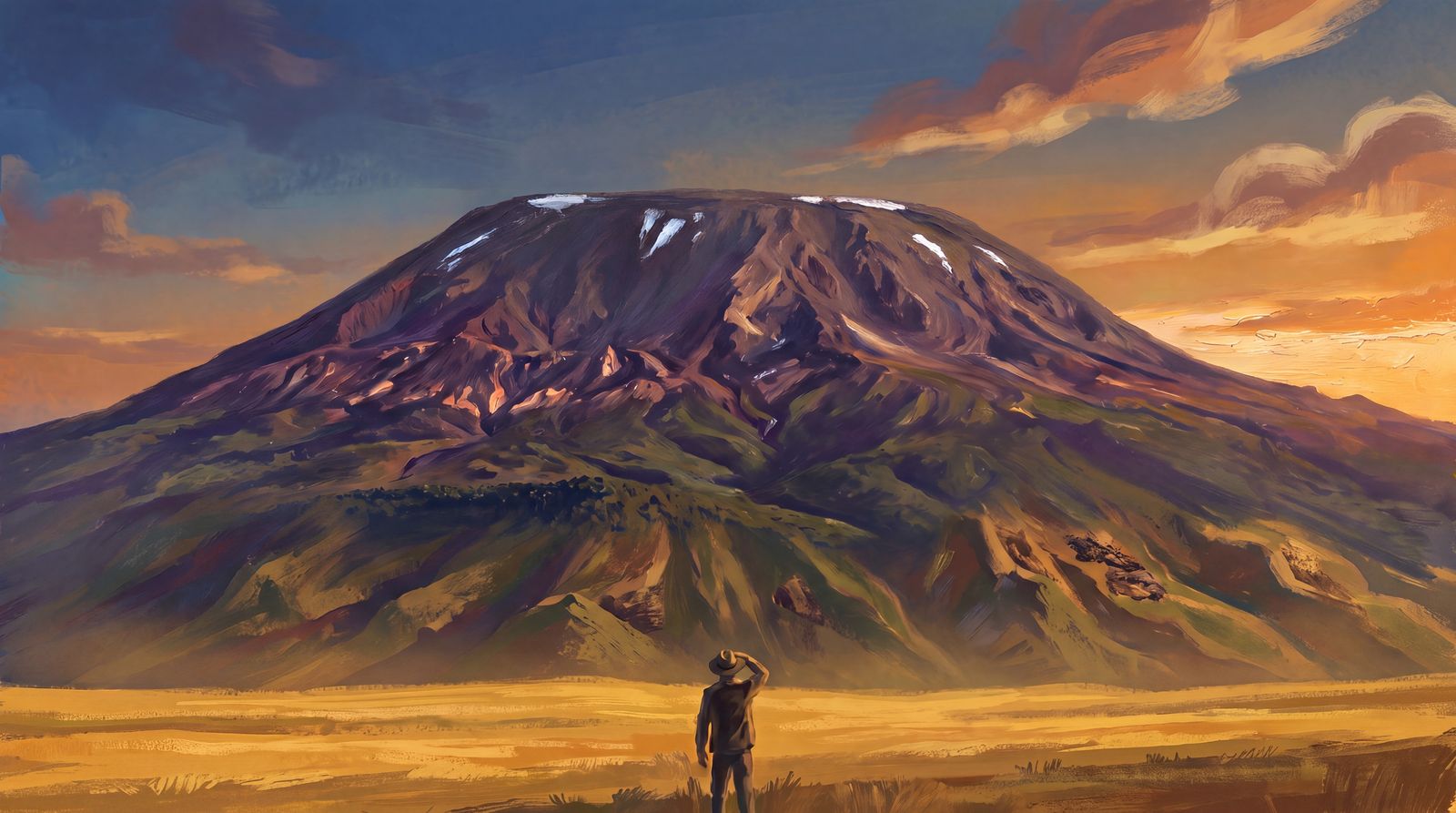
Kilimanjaro is the highest mountain in Africa, nearly six kilometres tall.

It is so high that its summit is bitterly cold, even sitting just three degrees from the equator.

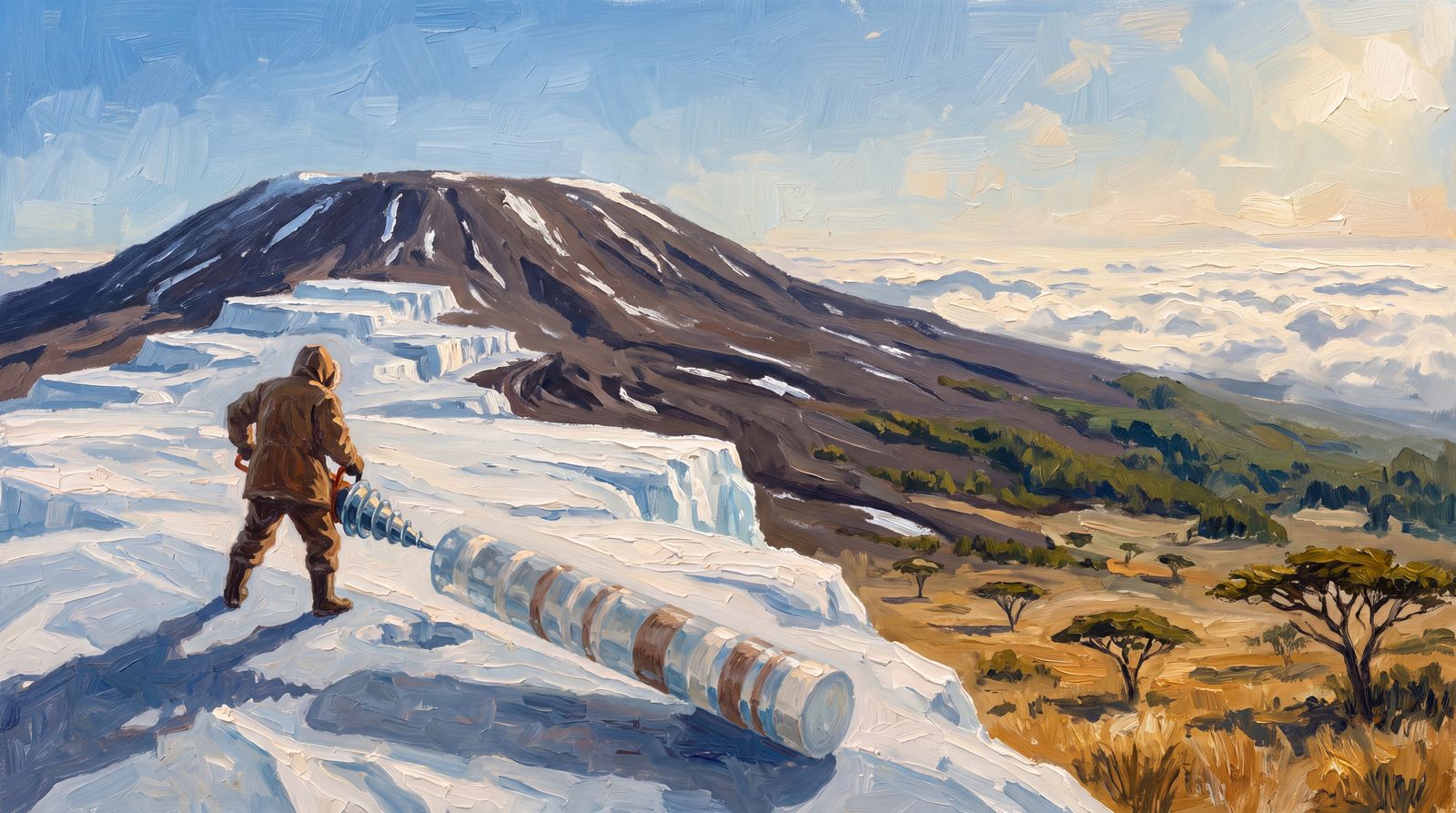
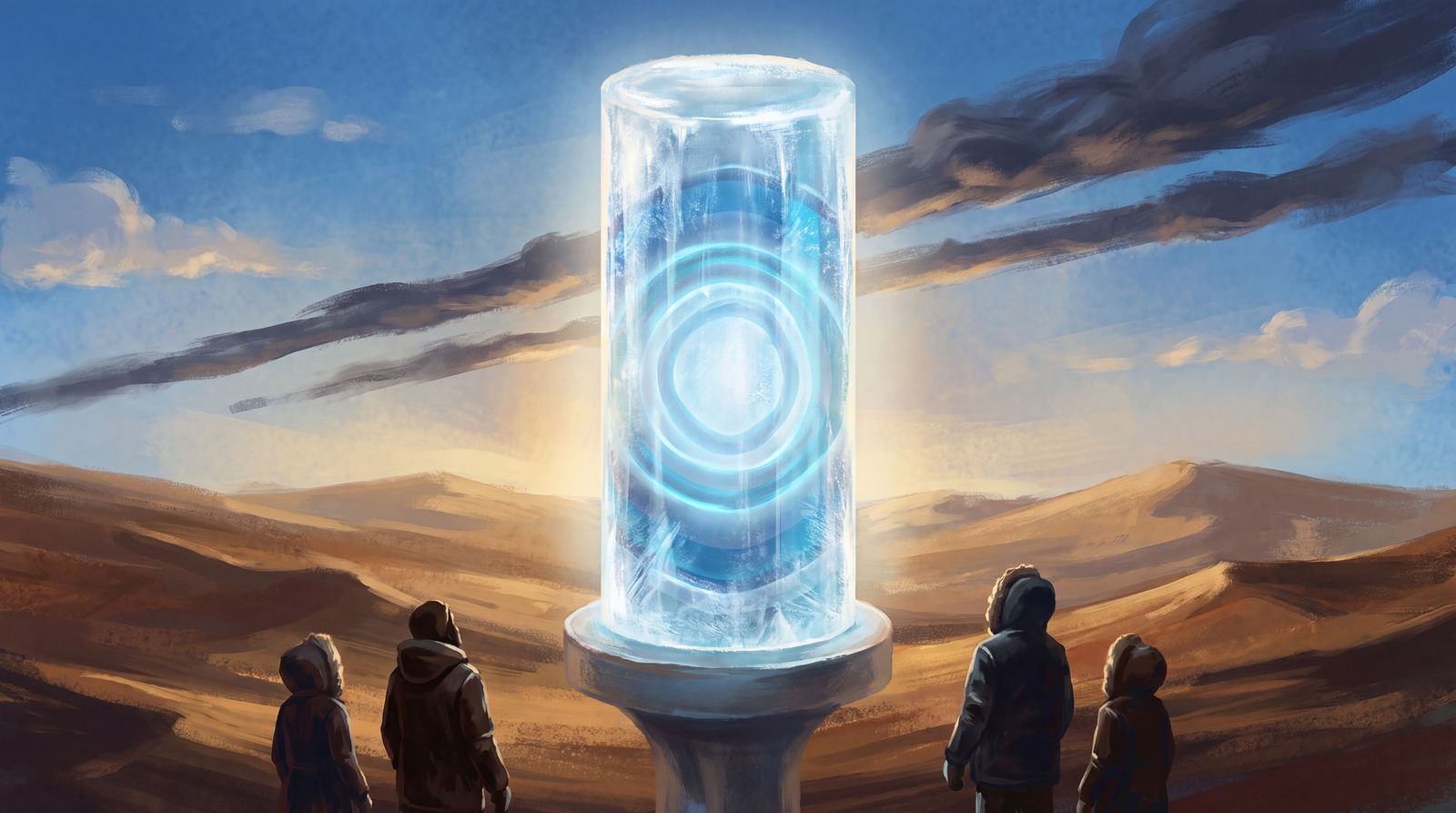
For thousands of years, that cold kept a cap of glaciers frozen at the top. Ice cores drilled from them hold a frozen record of the climate going back nearly twelve thousand years.

They are one of the oldest and most famous ice fields in the tropics. A writer named Ernest Hemingway made them legendary. The snows of Kilimanjaro.

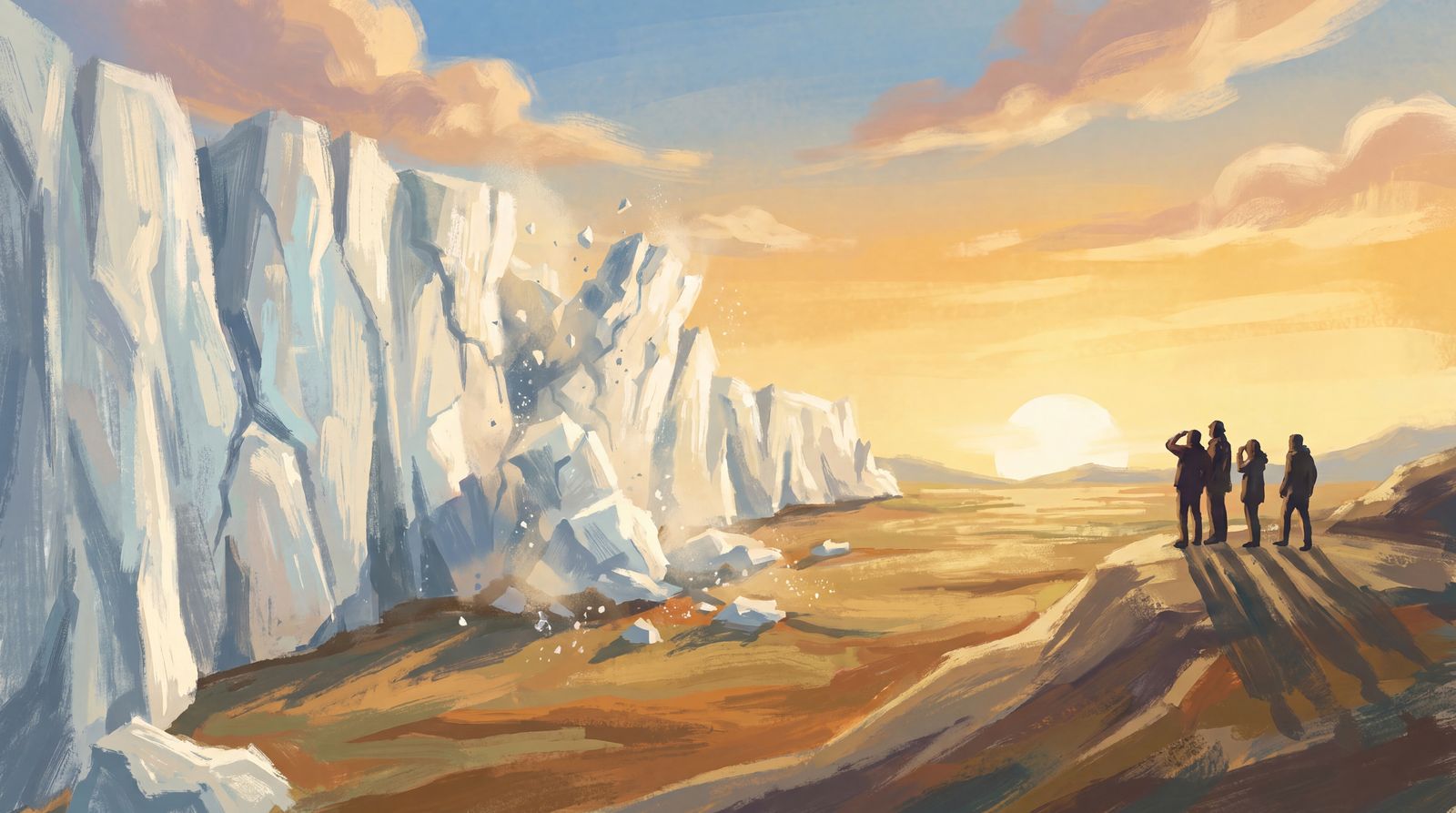
But over the last century, they have been collapsing.

Since around 1912, the mountain has lost more than eighty percent of its ice.

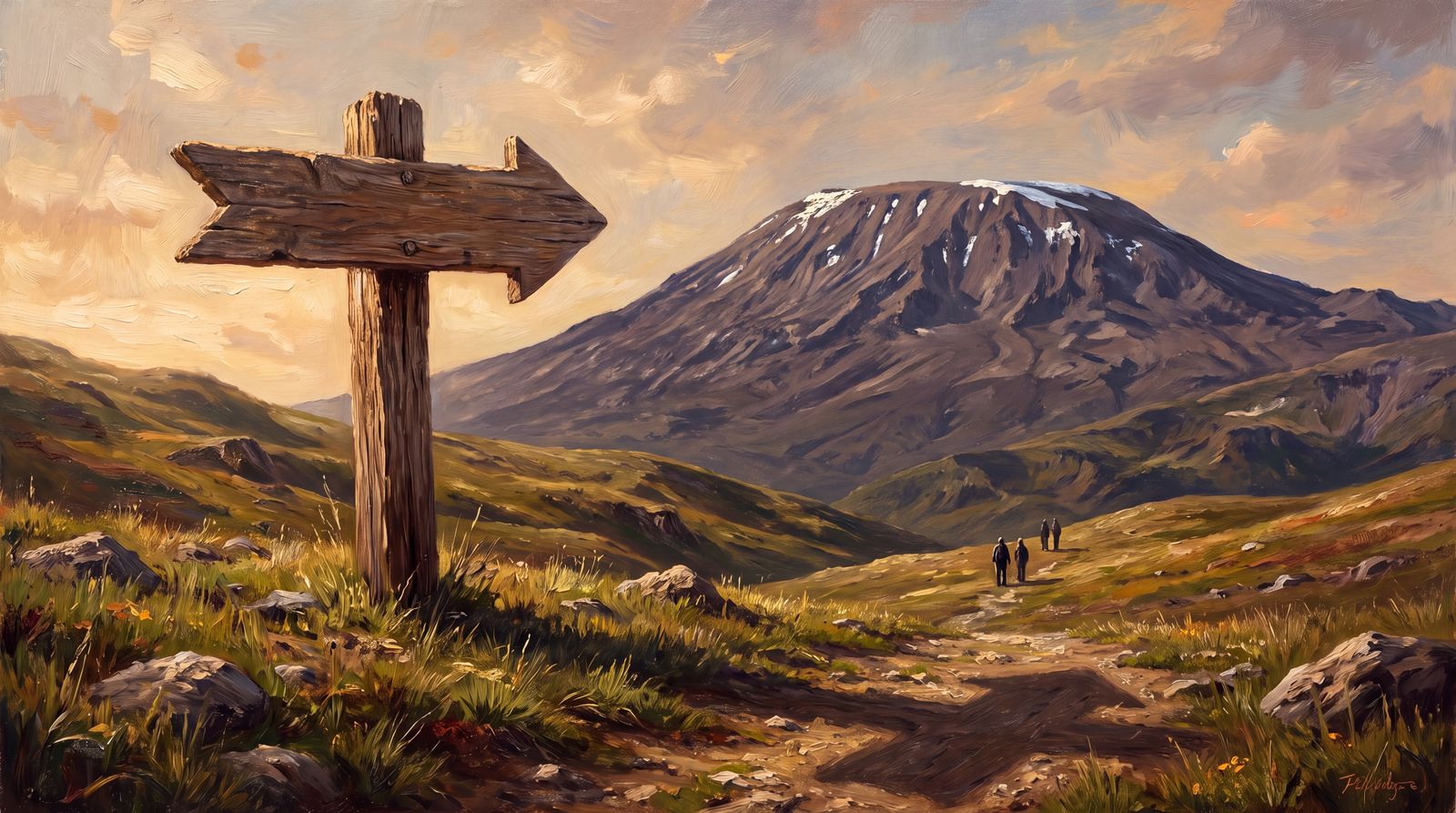
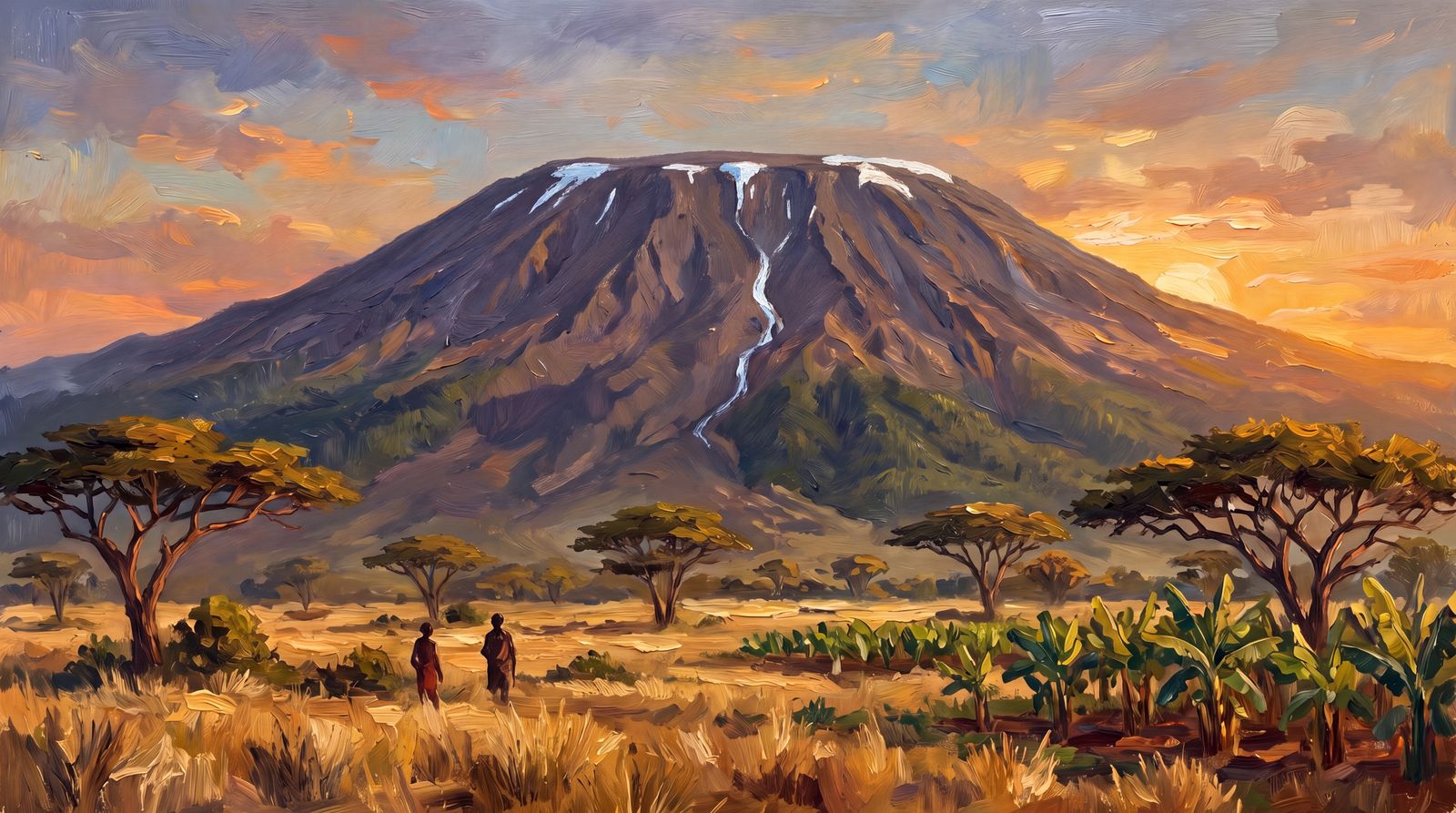
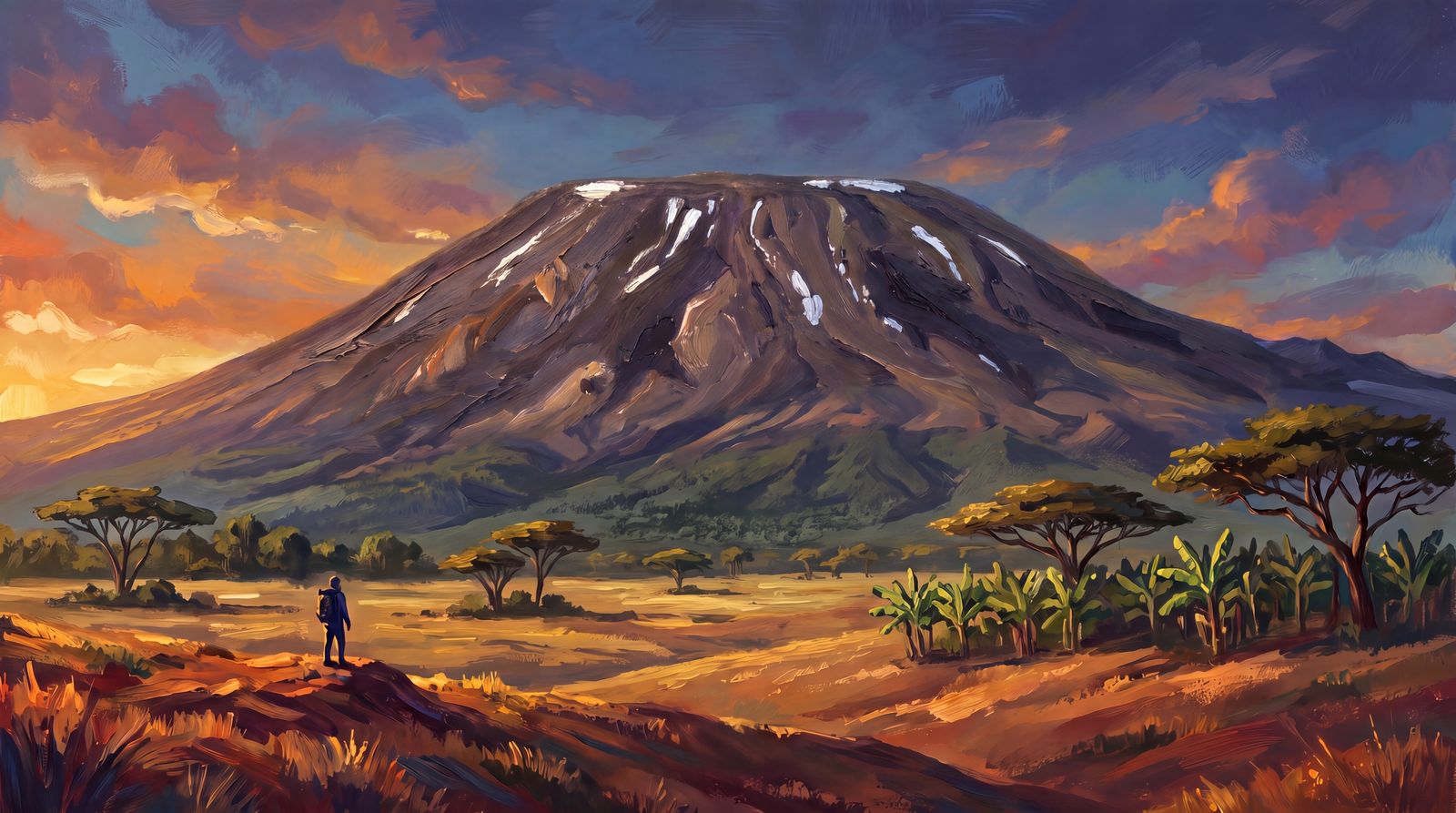
Photographs from a hundred years ago show a summit sheathed in white. Today, only scattered fragments remain, shrinking every year.

And the loss is speeding up.

So why is it happening? The answer is more surprising than you might think.

Part of it is a warming world, the same warming affecting glaciers everywhere.

But Kilimanjaro's ice is also starving.

Since the late nineteenth century, moist air from the Indian Ocean has reached the mountain less often.

Changes in regional moisture have left less snow to replenish the ice.

Ice is lost through melting, and through sublimation, when it turns directly into water vapour.

A warming world, and drier air. Together, they are erasing a crown of ice older than farming, older than the pyramids, older than written history.

And here's what makes it more than just sad.

They hold a scientific archive of the deep past that, once melted, is lost forever.

And they are a symbol, watched by the whole world, of just how fast our planet is changing.

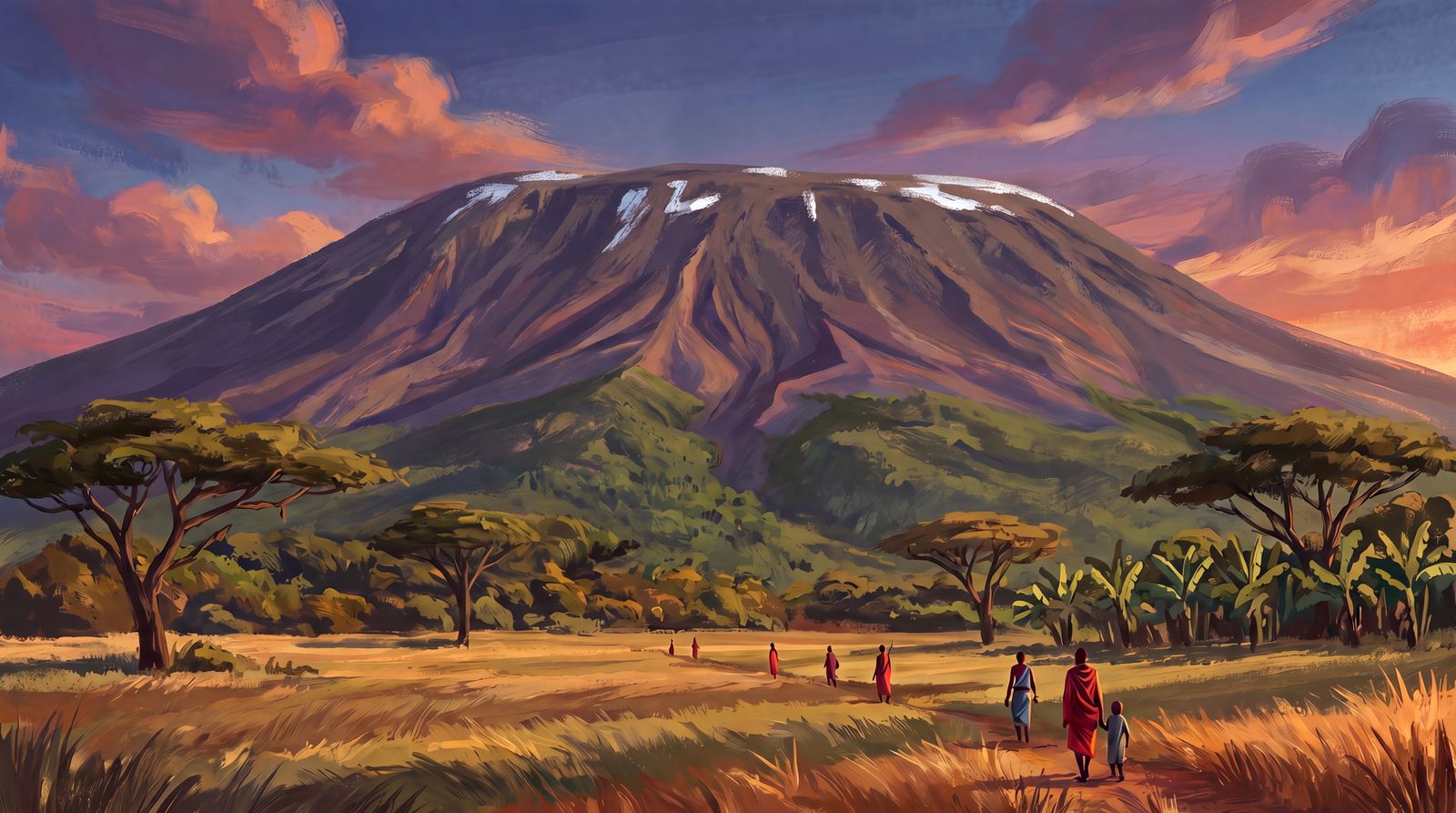
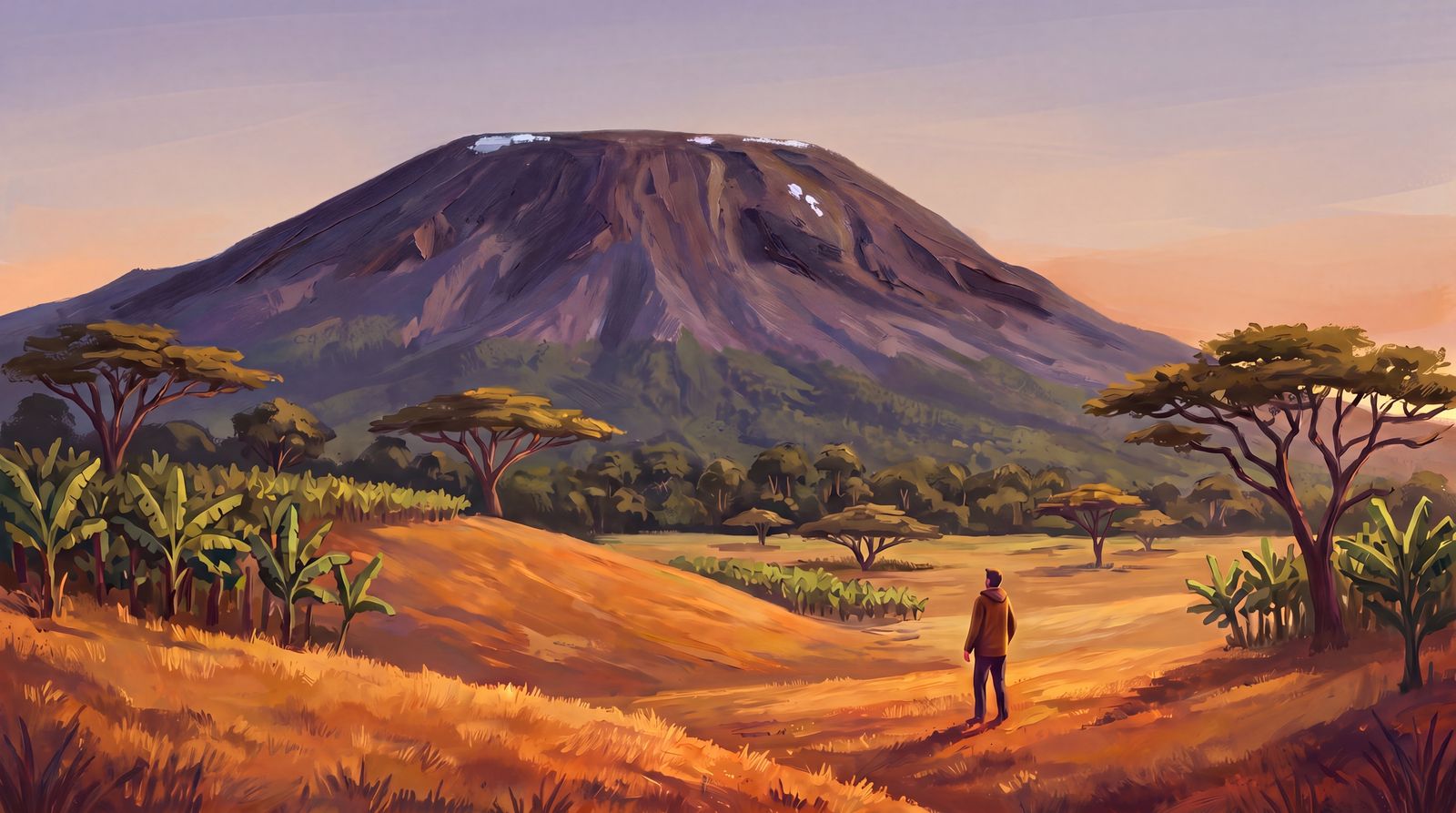
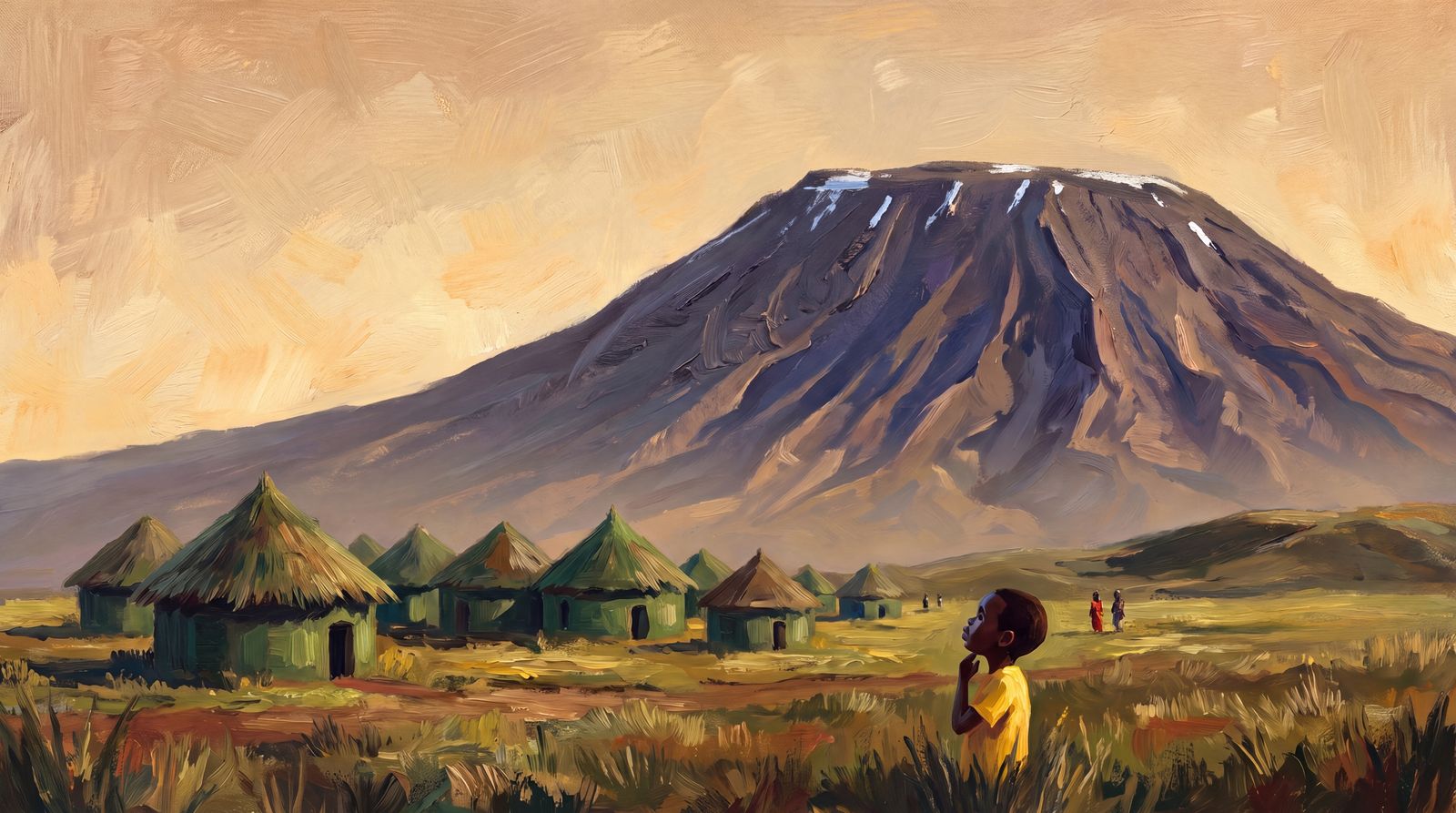
Soon, a child born in the villages below Kilimanjaro may grow up, and never once see snow on their own mountain.

A crown of ancient ice, on the roof of Africa, melting away within a single human lifetime.

So here's my question for you. If Kilimanjaro loses its snows for good, what do you think is truly lost, beyond the ice itself? Tell me in the comments. I read them.

This has been a deep dive from our Tanzania story, the land where humanity began. Subscribe, and I'll take you further in.
Just south of the equator, on the roof of Africa, there is a crown of ancient ice that has survived for almost twelve thousand years. And in our lifetime, it is disappearing. When the first climbers reached the top of Kilimanjaro, its summit was buried in glaciers, great walls and towers of ice gleaming above the plains of Tanzania. Today, most of that ice is simply gone. And what remains may vanish within a few decades. This is Dunia Docs. The real places behind the world's greatest stories. This is the story of the snows of Kilimanjaro, and why they are melting away. So how did ice this old survive so close to the equator? And why is it dying now? Stick with me. And if you care about what we're about to lose, tap subscribe. It's free. Kilimanjaro is the highest mountain in Africa, nearly six kilometres tall. It is so high that its summit is bitterly cold, even sitting just three degrees from the equator. For thousands of years, that cold kept a cap of glaciers frozen at the top. Ice cores drilled from them hold a frozen record of the climate going back nearly twelve thousand years. They are one of the oldest and most famous ice fields in the tropics. A writer named Ernest Hemingway made them legendary. The snows of Kilimanjaro. But over the last century, they have been collapsing. Since around 1912, the mountain has lost more than eighty percent of its ice. Photographs from a hundred years ago show a summit sheathed in white. Today, only scattered fragments remain, shrinking every year. And the loss is speeding up. So why is it happening? The answer is more surprising than you might think. Part of it is a warming world, the same warming affecting glaciers everywhere. But Kilimanjaro's ice is also starving. Since the late nineteenth century, moist air from the Indian Ocean has reached the mountain less often. Changes in regional moisture have left less snow to replenish the ice. Ice is lost through melting, and through sublimation, when it turns directly into water vapour. A warming world, and drier air. Together, they are erasing a crown of ice older than farming, older than the pyramids, older than written history. And here's what makes it more than just sad. They hold a scientific archive of the deep past that, once melted, is lost forever. And they are a symbol, watched by the whole world, of just how fast our planet is changing. Soon, a child born in the villages below Kilimanjaro may grow up, and never once see snow on their own mountain. A crown of ancient ice, on the roof of Africa, melting away within a single human lifetime. So here's my question for you. If Kilimanjaro loses its snows for good, what do you think is truly lost, beyond the ice itself? Tell me in the comments. I read them. This has been a deep dive from our Tanzania story, the land where humanity began. Subscribe, and I'll take you further in.